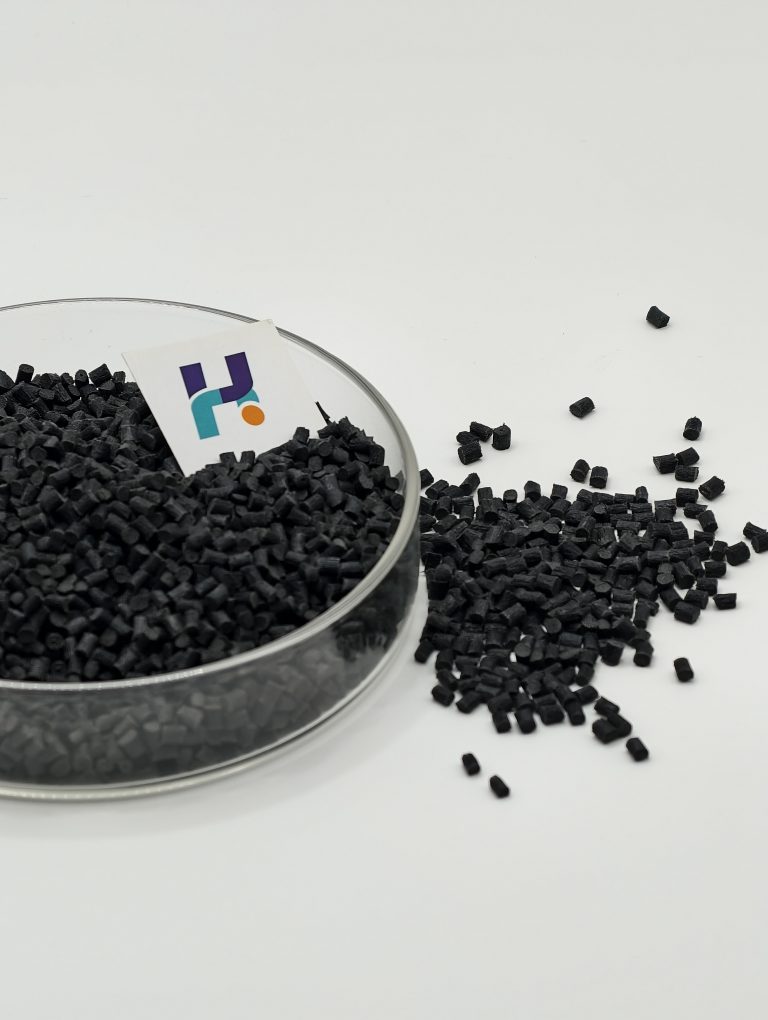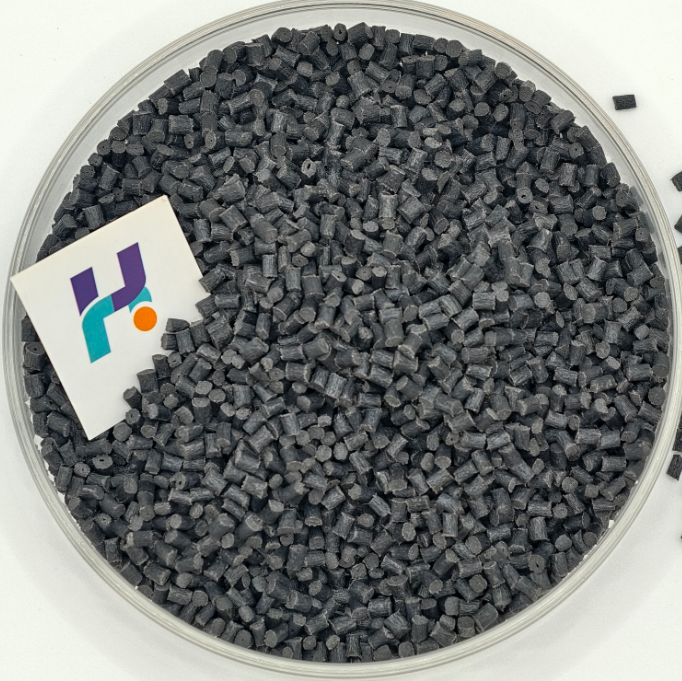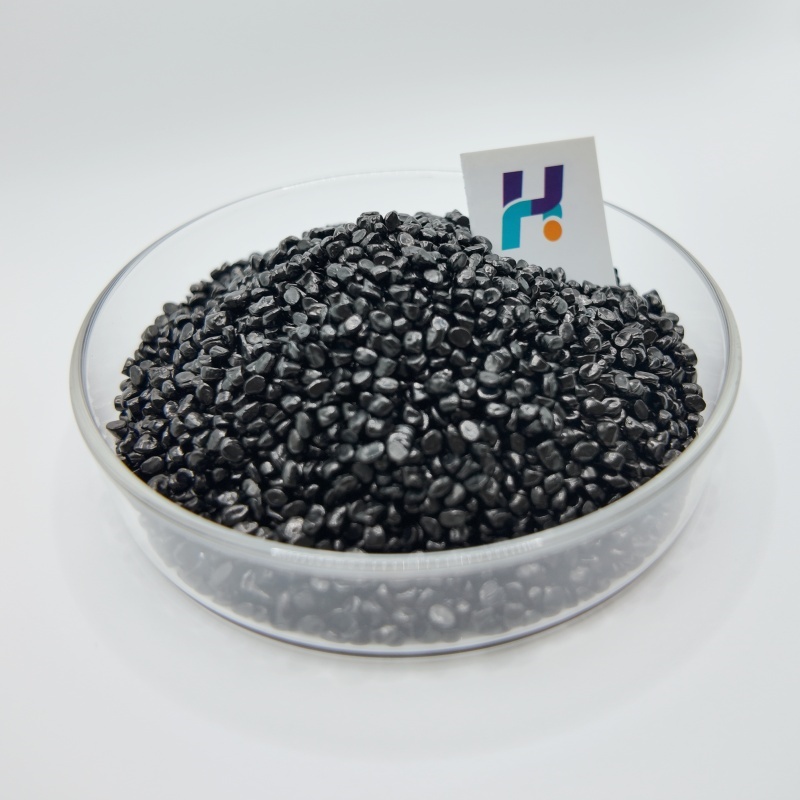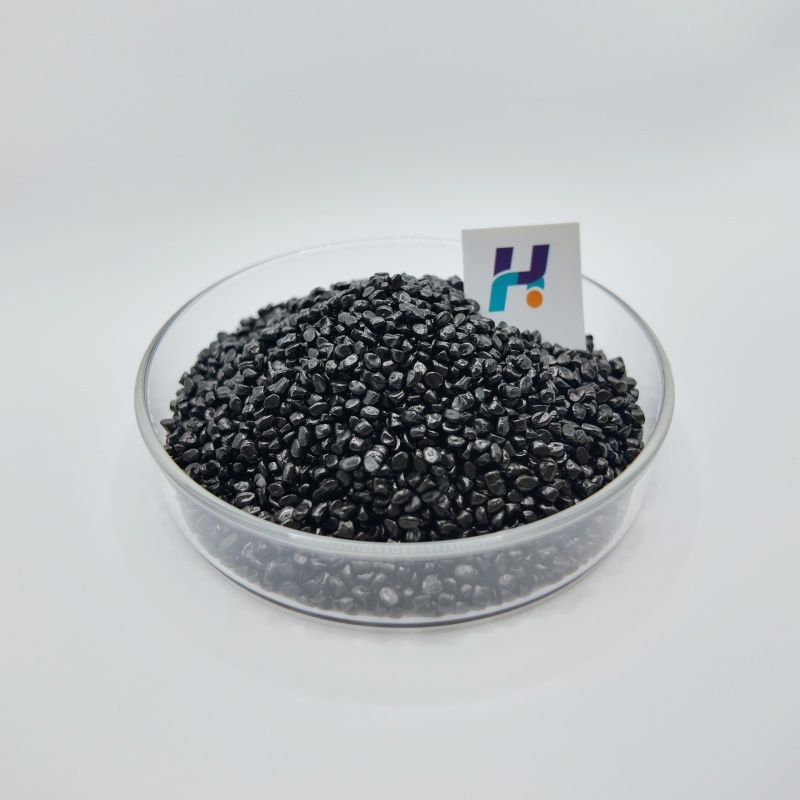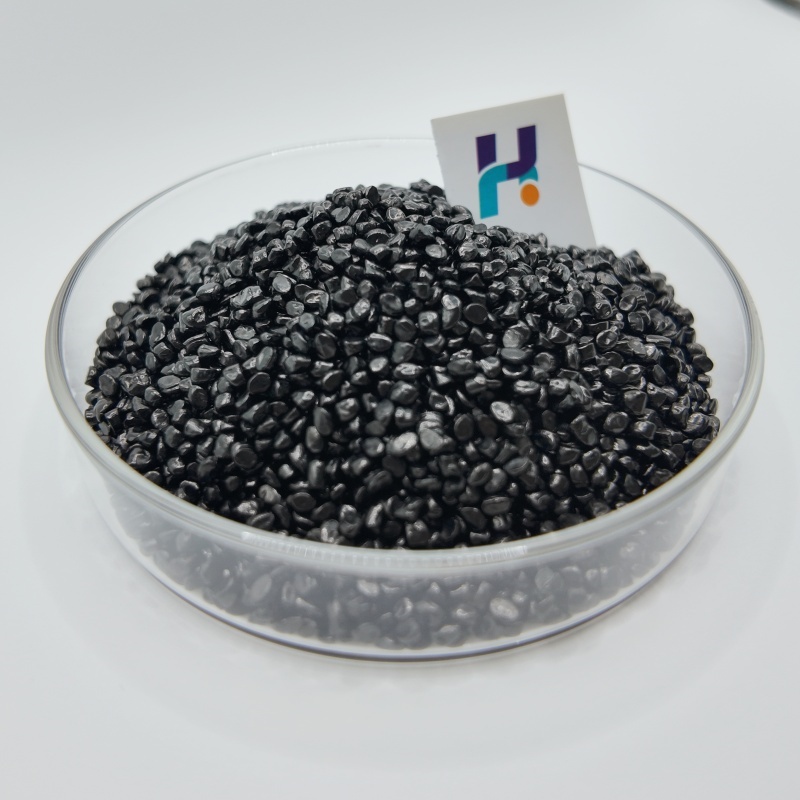
PBT GF20 is a 20% glass fiber reinforced polybutylene terephthalate engineered for applications requiring high rigidity, excellent impact strength, thermal stability, and reliable electrical insulation. Designed for demanding industrial environments, this material offers balanced mechanical performance and OEM-level customization for automotive, electrical, and appliance components.
Technical Introduction & Market Positioning

PBT GF20 (20% Glass Fiber Reinforced PBT) is an engineering thermoplastic developed for structural and functional parts where mechanical strength, dimensional stability, and electrical reliability are critical. By reinforcing PBT resin with 20% glass fiber, this material achieves a well-balanced performance profile that sits between standard PBT and higher glass-loading grades, offering designers an optimal compromise between strength, toughness, and processability.
From a market perspective, PBT GF20 is positioned as a mid-to-high performance engineering plastic, widely adopted in automotive systems, electrical and electronic housings, and household appliances. It is especially suitable for OEM projects that require stable long-term performance, compliance flexibility, and material customization without excessive cost escalation.
Glass Fiber Reinforcement Structure
The performance of PBT GF20 is rooted in its internal microstructure. Short glass fibers are uniformly dispersed within the PBT polymer matrix during compounding, forming a reinforced load-bearing network after molding.
This reinforcement mechanism provides:
-
Increased tensile and flexural modulus through fiber load transfer
-
Reduced creep under continuous mechanical stress
-
Improved dimensional stability under thermal cycling
-
Controlled shrinkage and warpage compared to unreinforced PBT
The 20% glass fiber ratio is carefully selected to enhance stiffness while maintaining sufficient impact resistance and mold flow, making it suitable for complex geometries and thin-wall designs.
Core Material Advantages
PBT GF20 delivers a combination of performance advantages that translate directly into commercial value:
-
High Rigidity: Enhanced stiffness supports structural integrity in load-bearing components
-
High Impact Strength: Optimized fiber-matrix bonding improves resistance to sudden mechanical shock
-
Excellent Heat Resistance: Maintains mechanical properties under elevated operating temperatures
-
Stable Electrical Properties: Low dielectric loss and high insulation reliability for electrical systems
-
Processing Balance: Good moldability compared to higher glass fiber grades
For OEM customers, these advantages mean longer product life, reduced part failure risk, and more flexible design freedom.
In-Depth Performance Characteristics
Mechanical Performance
PBT GF20 exhibits significantly improved mechanical strength compared to neat PBT, while preserving toughness required for real-world operating conditions.
Thermal Performance
The glass fiber reinforcement raises the heat deflection temperature (HDT), allowing the material to withstand continuous thermal exposure in enclosed or high-load environments.
Electrical Performance
With inherently low moisture absorption and stable dielectric behavior, PBT GF20 is well-suited for electrical housings, connectors, and insulating structures.
Chemical Resistance
PBT-based materials demonstrate good resistance to oils, fuels, greases, and common household chemicals, supporting long-term durability.
Typical Industry Applications
PBT GF20 is widely adopted across multiple industries:
Automotive
-
Sensor housings
-
Structural brackets
-
Electrical connectors
-
Under-hood auxiliary components
Electrical & Electronics
-
Switch housings
-
Terminal blocks
-
Coil bobbins
-
Insulating frames
Home Appliances
-
Motor components
-
Control unit housings
-
Structural internal parts

Strength Meets Stability: PBT GF20 in Automotive Connector Systems 
PBT GF20 is applied in internal automotive electronics. 
Practical Applications of PBT GF20
Manufacturing Process & Quality Control
PBT GF20 is produced through controlled twin-screw compounding to ensure consistent fiber dispersion and batch-to-batch stability.
Key quality control aspects include:
-
Raw material inspection
-
Melt flow and fiber distribution monitoring
-
Mechanical and thermal property testing
-
Color and appearance consistency control
This ensures the material performs reliably in high-volume OEM production environments.
OEM Customization Capabilities
To support diverse application requirements, PBT GF20 can be customized through OEM-grade material solutions:
-
Glass fiber ratio adjustment
-
Flame retardant versions (UL94 compliant)
-
Color matching
-
Enhanced impact or heat-resistant formulations
-
Processability optimization for specific molds
This flexibility allows customers to shorten development cycles and reduce secondary modification costs.
Technical Specifications
| Property | Typical Value |
|---|---|
| Glass Fiber Content | 20% |
| Density | ~1.45 g/cm³ |
| Tensile Strength | High |
| Flexural Modulus | High |
| Heat Deflection Temperature | Elevated |
| Electrical Insulation | Excellent |
Note: Values are indicative and may vary by formulation.
Commercial FAQ
Q1: Is PBT GF20 suitable for structural parts?
Yes. Its reinforced stiffness and dimensional stability make it ideal for load-bearing components.
Q2: Can this material be customized for OEM projects?
Yes. Fiber content, color, flame retardancy, and performance balance can be tailored.
Q3: How does it perform electrically?
PBT GF20 provides stable insulation properties with low moisture sensitivity.
Q4: Is it suitable for automated molding lines?
Yes. The material is optimized for stable processing in high-volume injection molding.
Value-Driven Conclusion
PBT GF20 is more than a reinforced plastic—it is a reliable engineering solution designed to bridge performance, manufacturability, and commercial efficiency. For OEM manufacturers seeking a material that delivers strength without compromising processing or electrical reliability, PBT GF20 provides a competitive and scalable choice.
In real-world OEM applications, PBT GF20 consistently proves its value by maintaining stiffness and electrical reliability under thermal and mechanical stress. Its balanced performance profile reduces design compromise, making it a preferred choice for manufacturers targeting long-term product stability and efficient mass production.