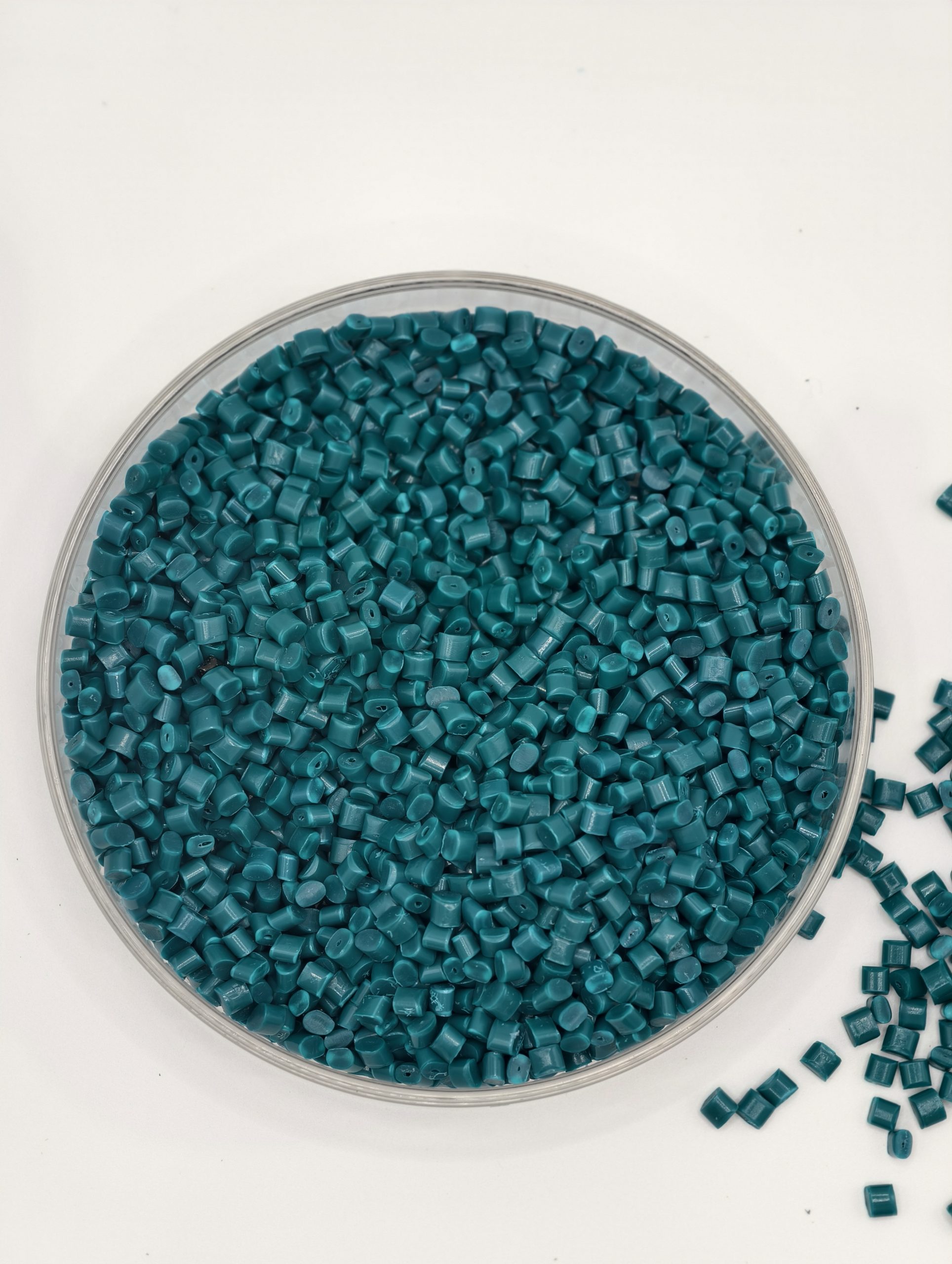
Glass Fiber Reinforced PBT – GF45
Maximum Stiffness and Structural Reliability for Heavy-Duty Applications 
PBT GF45 represents the upper performance tier of glass fiber reinforced PBT materials. By incorporating 45% high-modulus glass fibers, this grade achieves exceptional rigidity, dimensional stability, and long-term mechanical reliability under high stress and elevated temperatures.
Compared with GF25 or GF30 grades, GF45 is specifically engineered for metal replacement applications where stiffness, structural integrity, and thermal endurance are critical. It is widely used in automotive structural frames, electrical support components, and industrial parts that must maintain shape and strength throughout extended service life.
Material Composition & High Glass Fiber Reinforcement Structure
PBT GF45 is produced through precision compounding that ensures uniform dispersion of chopped glass fibers throughout the PBT matrix. The dense fiber network forms a continuous load-bearing structure, significantly increasing modulus and reducing deformation under load.
Material Composition Overview
-
Base Polymer: Polybutylene Terephthalate (PBT)
-
Reinforcement: 45% chopped glass fiber
-
Fiber Type: High-modulus E-glass
-
Optional Additives:
-
Heat stabilizer
-
Flame retardant (UL94 V2 / V0)
-
Impact modifier
-
UV stabilizer
-
-
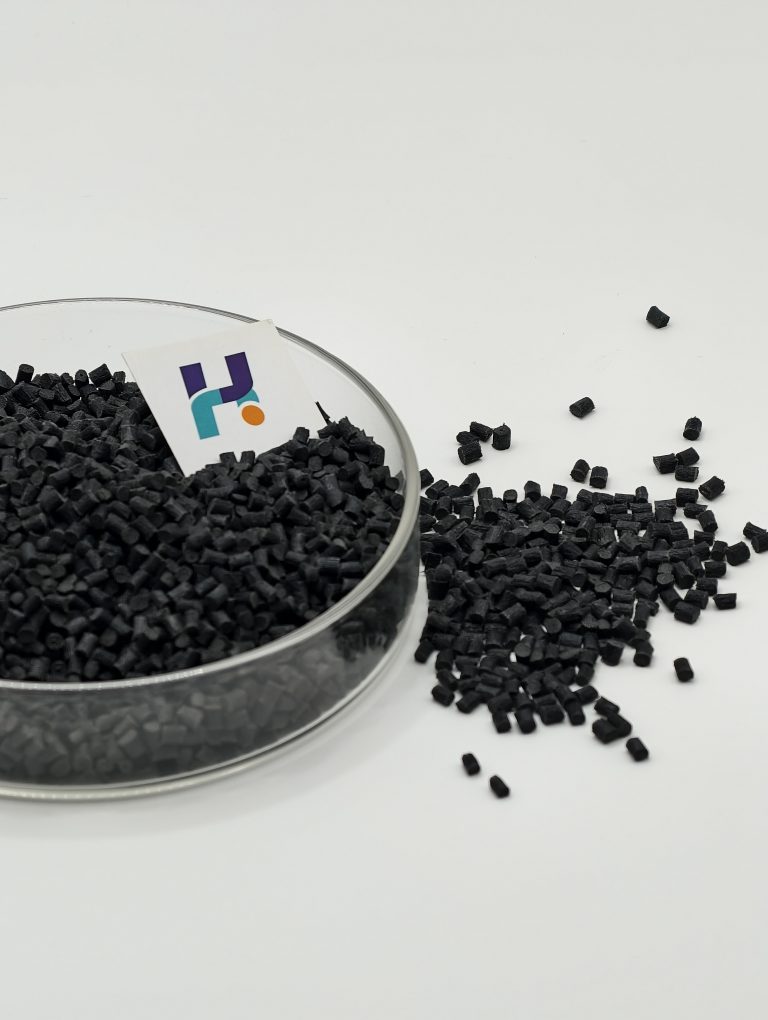
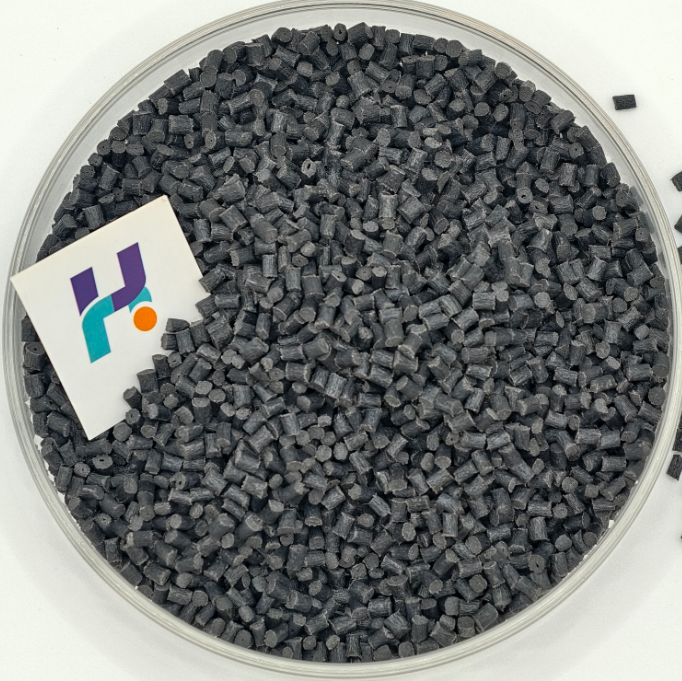
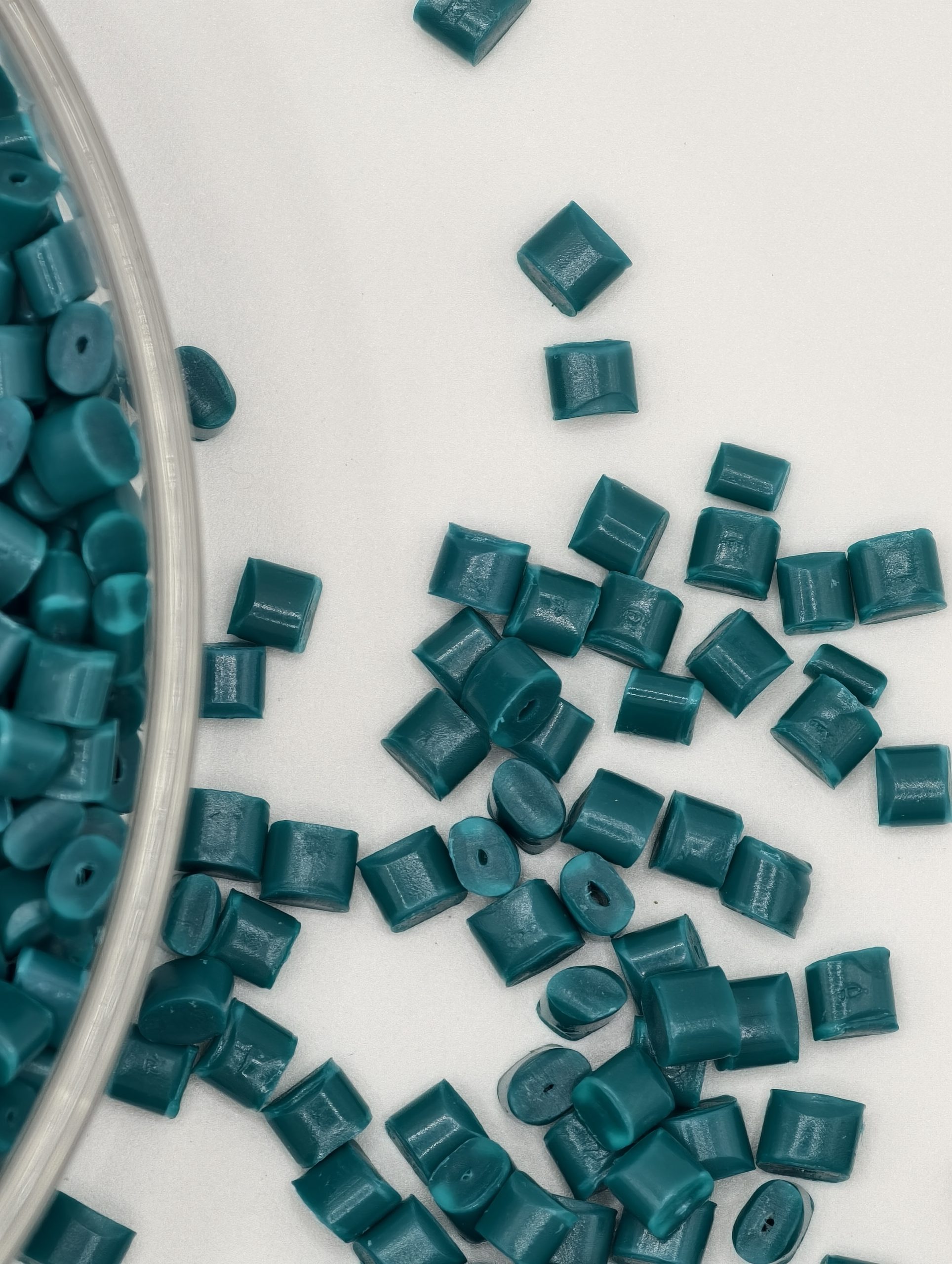
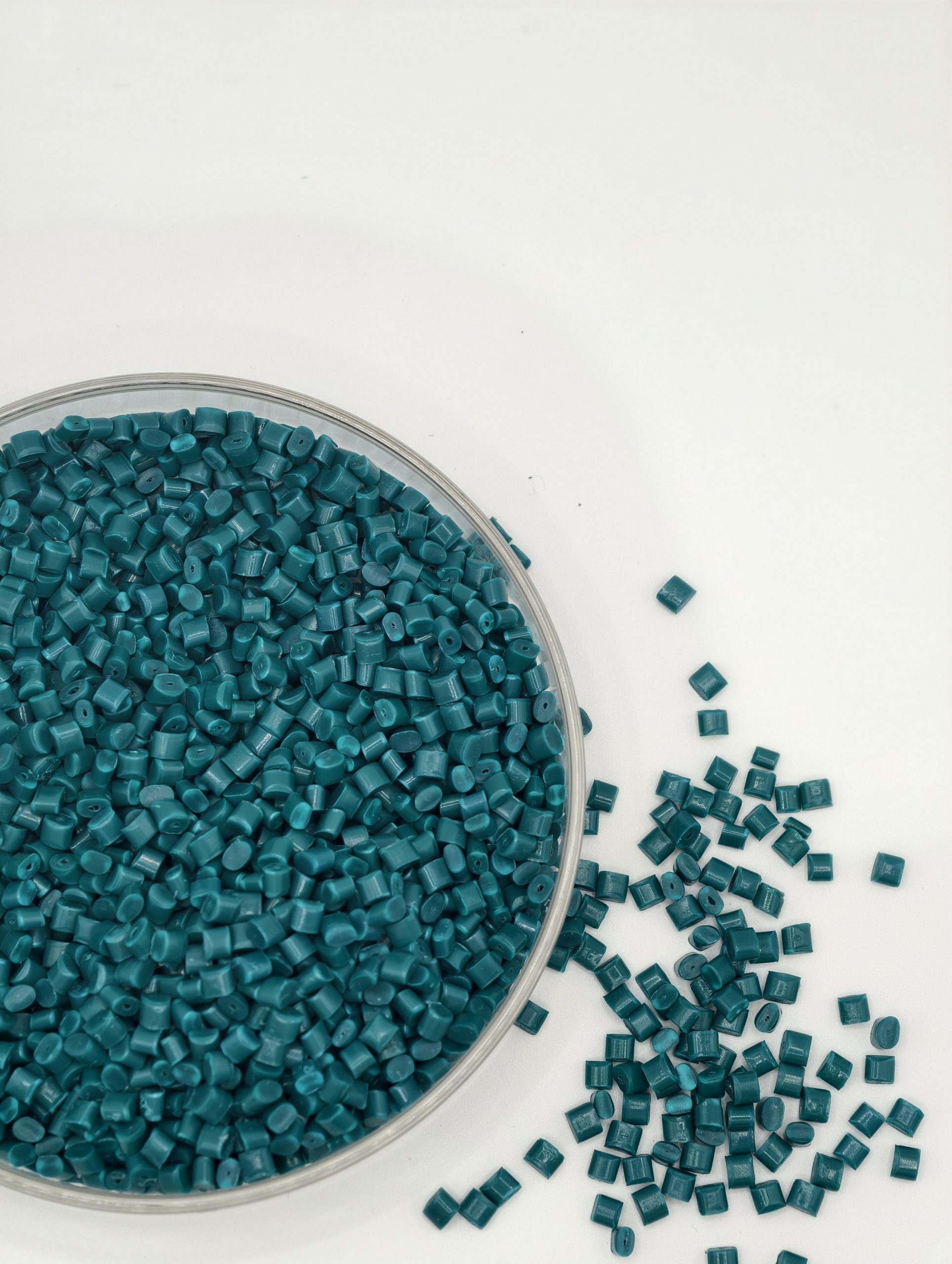
Color Options: Natural, black, custom colors
This high fiber loading positions GF45 as a true structural engineering material rather than a general-purpose plastic.
Core Advantages: Extreme Structural Performance
Engineering Advantages
Ultra-High Rigidity
The 45% glass fiber content dramatically increases flexural modulus, allowing parts to resist bending and deformation under heavy loads.
Outstanding Load-Bearing Capability
GF45 maintains structural integrity in applications where lower GF grades may creep or distort.
High Heat Resistance
Elevated heat deflection temperature enables stable performance in under-hood automotive and industrial environments.
Excellent Dimensional Stability
Glass fiber reinforcement minimizes thermal expansion and creep over long service periods.
Chemical & Fluid Resistance
The PBT matrix resists oils, fuels, greases, and automotive fluids.
Manufacturing & Commercial Advantages
Metal Replacement Potential
GF45 enables weight reduction and design freedom compared to aluminum or steel parts.
Long-Term Reliability
Designed for continuous mechanical stress and thermal cycling.
Consistent Injection Molding Quality
Despite high reinforcement, GF45 can be molded reliably with proper gate and mold design.
Proven Use in Demanding Industries
Widely adopted in automotive and industrial structural applications.
Typical Application Areas
|
|
|


Automotive Structural Applications
-
Structural brackets
-
Reinforcement frames
-
Motor and transmission supports
-
Under-hood load-bearing components
GF45 is selected where maximum stiffness and heat resistance are required.
Electrical & Power Systems
-
Structural supports for contactors
-
High-load electrical housings
-
Power distribution components
Maintains insulation stability under mechanical stress.
Industrial & Mechanical Components
-
Equipment frames
-
Load-bearing housings
-
Heavy-duty mechanical parts
Ideal for replacing metal in demanding industrial designs.
Processing Performance & Injection Molding Guidelines
Due to its high fiber content, PBT GF45 requires optimized processing conditions and mold design.
Typical Processing Parameters
-
Melt Temperature: 260–280°C
-
Mold Temperature: 90–130°C
-
Drying: 120°C for 3–4 hours
-
Injection Speed: Medium
-
Shrinkage: 0.1–0.3% (directional)
Proper gate placement and fiber orientation control are essential for optimal performance.
OEM / ODM Customization Capabilities
PBT GF45 can be customized to meet extreme application requirements.
Customization Options
-
Glass fiber content: GF30 / GF40 / GF45 / GF50
-
Flame retardant grades (UL94 V2 / V0)
-
Heat-stabilized formulations
-
Improved toughness versions
-
Color customization
OEM Support Services
-
Structural material selection support
-
Metal replacement consulting
-
Prototype validation and testing
-
Stable long-term supply
Technical Specification – PBT GF45
| Property | Test Standard | Typical Value |
|---|---|---|
| Density | ISO 1183 | 1.70–1.80 g/cm³ |
| Tensile Strength | ISO 527 | 150–180 MPa |
| Flexural Strength | ISO 178 | 220–260 MPa |
| Flexural Modulus | ISO 178 | 12,000–15,000 MPa |
| Notched Izod Impact | ISO 180 | 5–8 kJ/m² |
| Heat Deflection Temp. | ISO 75 | 230–250°C |
| Shrinkage | — | 0.1–0.3% |
| Electrical Insulation | — | Excellent |
FAQ
Q1: What is the main advantage of PBT GF45?
It provides ultra-high rigidity, load-bearing strength, and heat resistance for extreme structural applications.
Q2: How does PBT GF45 compare to GF25 or GF30?
GF45 offers significantly higher stiffness and structural performance, suitable for metal replacement, while GF25 and GF30 focus on moderate structural strength.
Q3: Is PBT GF45 suitable for metal replacement?
Yes. Its high modulus and strength make it ideal for replacing metal components.
Q4: Can flame-retardant versions be supplied?
Yes. UL94 V2 and V0 grades are available upon request.
Q5: Can the glass fiber content be customized?
Yes. Glass fiber loading can be adjusted to meet specific mechanical and cost requirements.