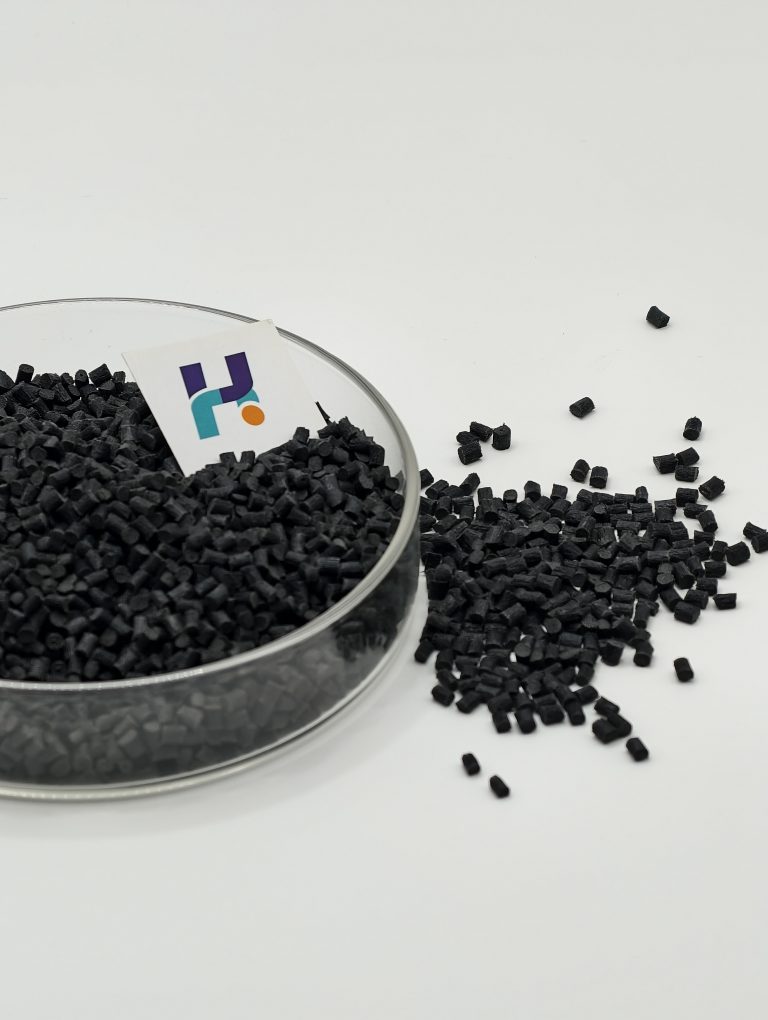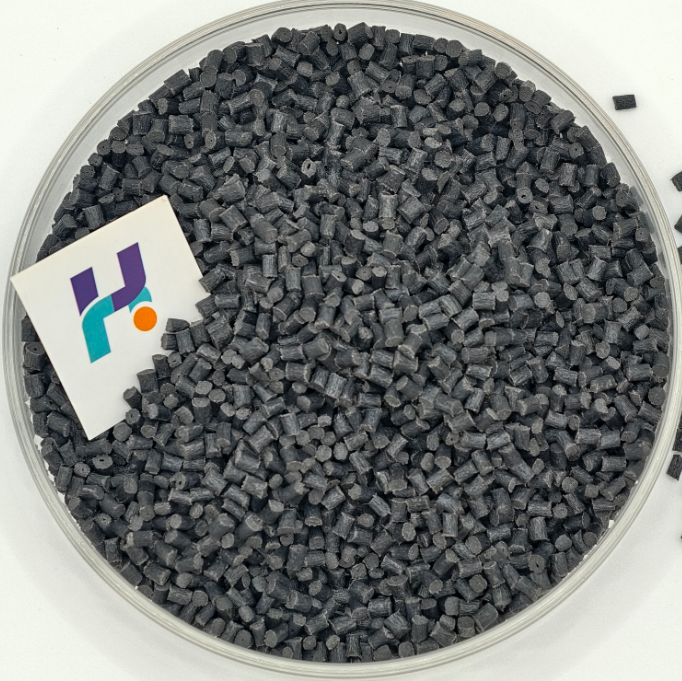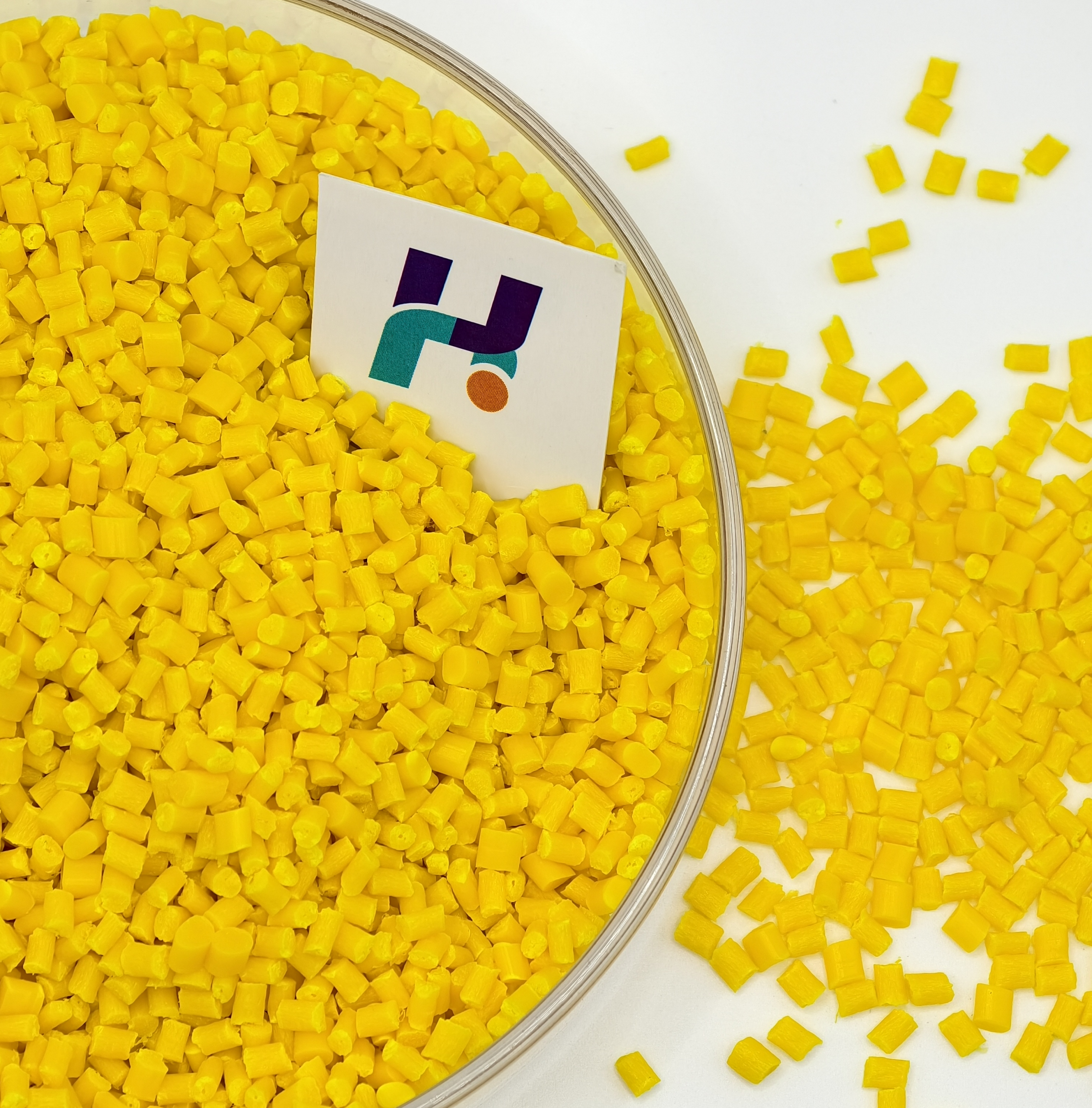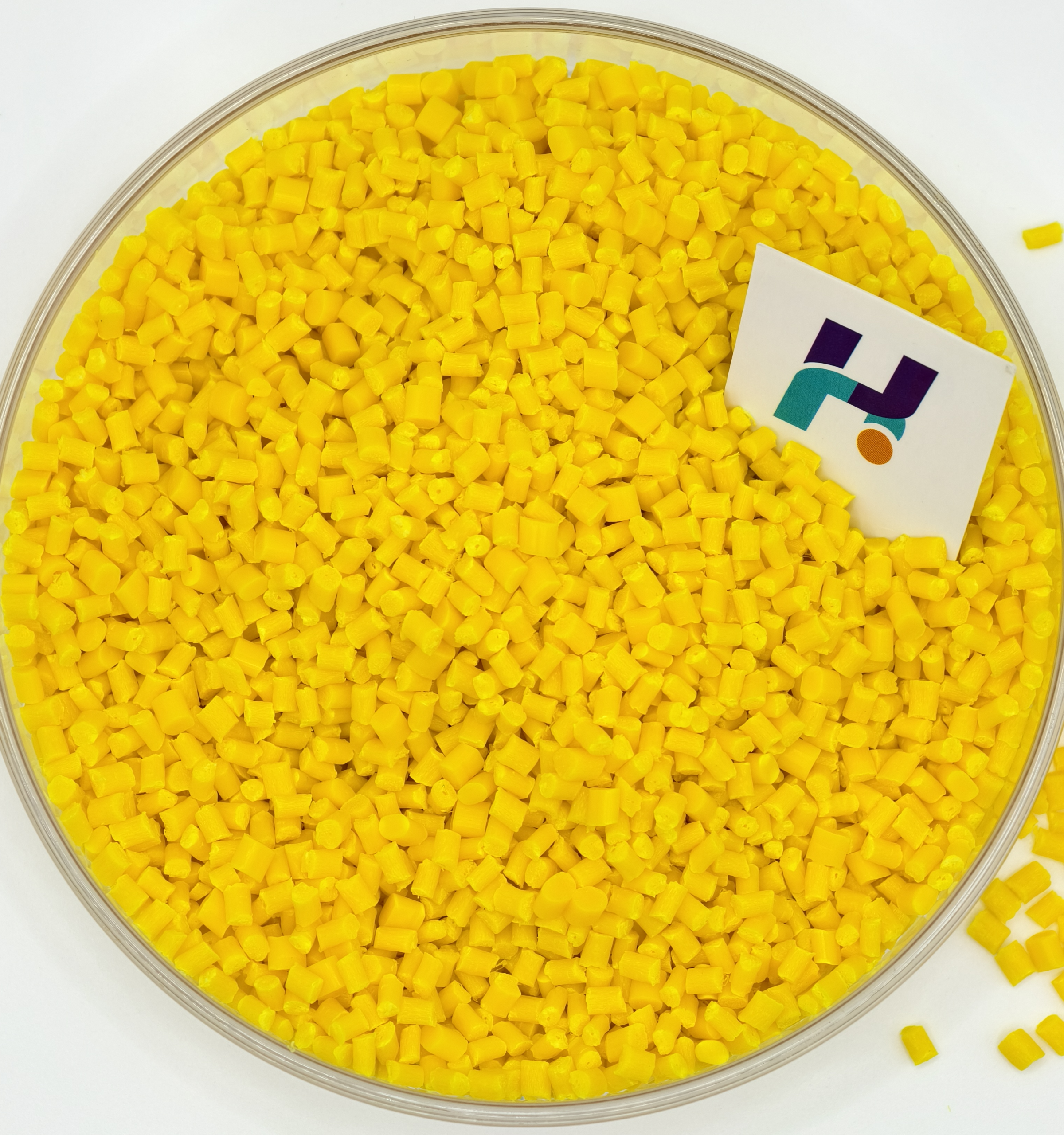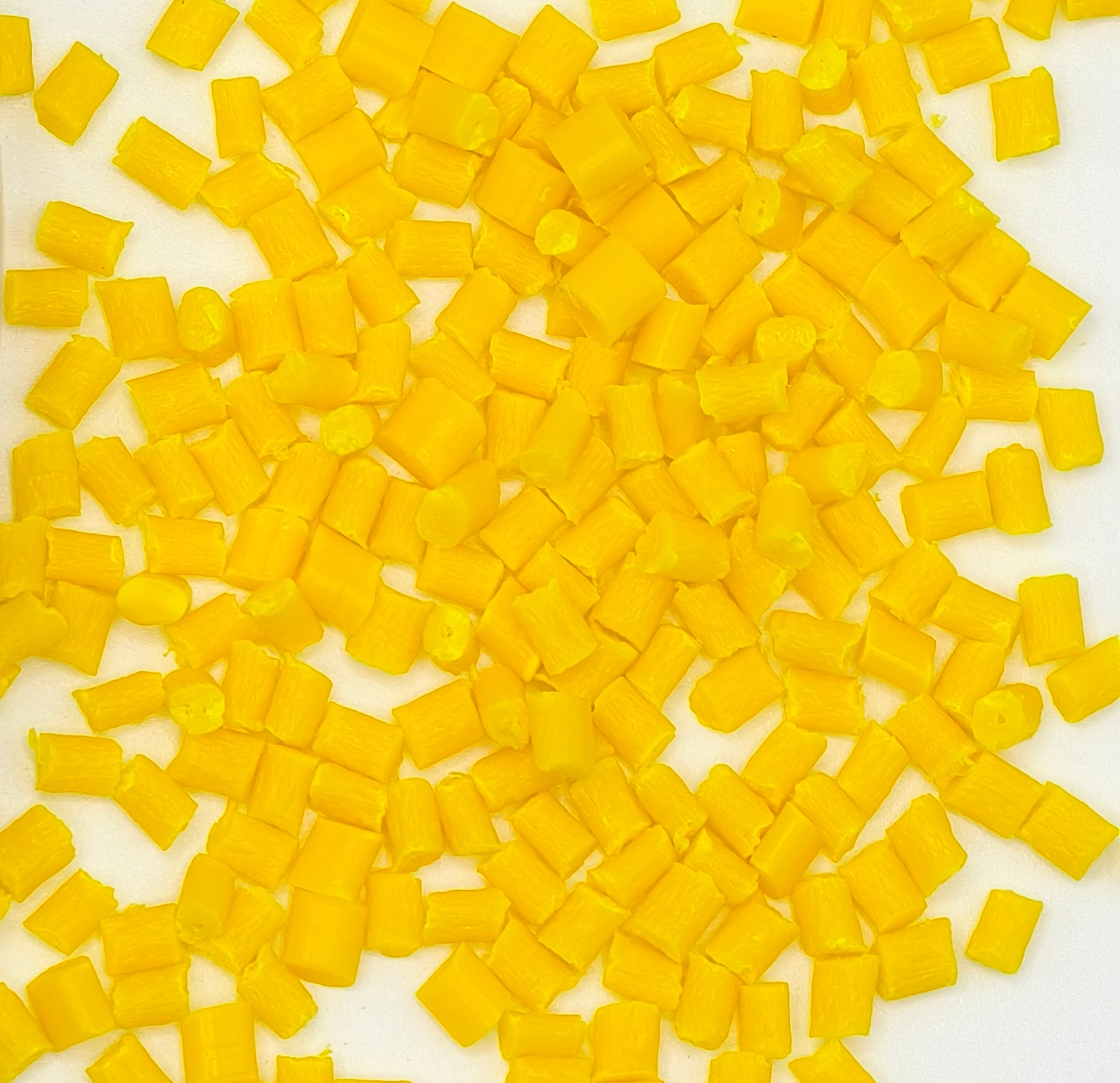
PA6 Filled Reinforced is an engineering-grade glass fiber reinforced polyamide 6 compound enhanced with selected mineral fillers such as talc, calcium carbonate, mica, wollastonite, and barium sulfate. Designed for applications demanding low warpage, high thermal endurance, and superior electrical safety, this material offers an optimized balance of stiffness, dimensional stability, and OEM-level formulation flexibility.
Product Overview
PA6 Filled Reinforced is a high-performance polyamide 6 compound combining glass fiber reinforcement with functional mineral fillers, including talc, calcium carbonate, mica, wollastonite, and barium sulfate.
This multi-filler system is engineered to fine-tune stiffness, thermal stability, and dimensional control beyond conventional glass fiber reinforced PA6. By synergizing fibrous reinforcement with plate-like and particulate fillers, the material effectively reduces molding warpage, improves surface stability, and enhances electrical insulation behavior.
The formulation is especially suitable for complex structural components, thin-wall electrical parts, and heat-exposed assemblies where both mechanical reliability and long-term dimensional accuracy are critical. Developed for OEM manufacturers, this grade supports consistent processing performance, scalable production, and customized property balancing for specific applications.
Key Material Advantages
Low Warpage for Dimensional Precision
By combining glass fiber reinforcement with mineral fillers such as talc and mica, the material achieves controlled shrinkage behavior and reduced anisotropy during cooling. This hybrid reinforcement approach significantly minimizes warpage, especially in large, thin-wall, or geometrically complex molded parts.
High Heat Resistance
PA6 Filled Reinforced maintains structural integrity under continuous elevated temperatures, making it suitable for under-hood automotive parts and heat-adjacent electrical components.
High Glow-Wire Performance
Engineered to meet demanding glow-wire ignition and flammability requirements, supporting safe use in electrical and electronic applications.
High CTI (Comparative Tracking Index)
Excellent resistance to electrical tracking enhances long-term safety in high-voltage and moisture-exposed environments.
OEM-Level Customization
Formulations can be tailored for fiber content, heat resistance, flame retardancy, color, and processing behavior to match exact project requirements.
Filled Reinforcement System – Engineering-Level Material Design
Unlike standard glass fiber reinforced PA6, this filled reinforced system incorporates carefully selected mineral fillers to achieve targeted performance optimization.
• Talc and mica contribute to improved stiffness, heat resistance, and warpage control, particularly in large or flat molded parts.
• Calcium carbonate enhances dimensional stability and cost-performance balance for high-volume OEM production.
• Wollastonite improves mechanical reinforcement efficiency while supporting thermal stability and surface integrity.
• Barium sulfate increases density uniformity and enhances electrical insulation performance in specific applications.
Through controlled filler ratio design and dispersion technology, the compound achieves a stable balance between rigidity, processability, and electrical safety — making it suitable for demanding engineering and electrical environments.
Typical Applications
Automotive Components
-
Connectors and housings
-
Structural brackets
-
Under-hood functional parts
Electrical & Electronics
-
Terminal blocks
-
Switch housings
-
Circuit protection components
Home Appliances
-
Internal structural frames
-
Heat-resistant functional parts
-
Electrical insulation components
Industrial & Mechanical
-
Load-bearing technical parts
-
Precision-molded assemblies

Applied PA6 Solutions for Industry Challenges 
Practical Applications of PA6 in Modern Industry 
PA6 : Lightweight and Durable Solutions
Material Properties Overview
| Property Category | Performance Characteristics |
|---|---|
| Reinforcement Type | Glass Fiber Filled |
| Warpage Control | Optimized low-warp formulation |
| Thermal Resistance | High heat deflection stability |
| Electrical Safety | High CTI, glow-wire compliant |
| Mechanical Strength | High stiffness & tensile strength |
| Processability | Injection molding optimized |
| Customization | OEM formulation available |
Processing & Molding Performance
PA6 Filled Reinforced is designed for stable injection molding performance, supporting high-efficiency mass production.
Processing Benefits:
-
Consistent melt flow behavior
-
Reduced internal stress during cooling
-
Excellent surface quality for functional parts
-
Suitable for thin-wall and reinforced structures
Recommended Processing Methods:
-
Injection molding
-
Multi-cavity molds
-
Automated high-volume production
Design & Engineering Advantages
From an engineering perspective, this reinforced PA6 grade enables:
-
Reduced tolerance deviation
-
Improved part-to-part consistency
-
Enhanced long-term mechanical retention
-
Stable performance under thermal cycling
For designers and engineers, this translates into lower rejection rates, simplified mold tuning, and improved lifecycle performance.
OEM & Custom Formulation Capabilities
OEM customization is supported not only at the glass fiber level but also within the mineral filler system.
Customizable parameters include:
• Glass fiber content and length distribution
• Selection and ratio of mineral fillers (talc, CaCO₃, mica, wollastonite, BaSO₄)
• Warpage control optimization
• Heat resistance and flame retardant systems
• CTI and glow-wire performance tuning
• Color and flowability adjustment
This enables precise alignment with part geometry, regulatory requirements, and cost-performance targets for automotive, electrical, and appliance OEM projects.
Compliance & Quality Focus
Material formulations are developed to support compliance with major global standards relevant to automotive and electrical markets.
-
Electrical safety performance (CTI / GWIT focus)
-
Thermal aging stability
-
Mechanical consistency across batches
-
Long-term reliability under load
Quality control emphasizes batch stability, process repeatability, and application-specific validation.
Why Choose PA6 Filled Reinforced?
✔ Excellent balance of strength and thermal resistance
✔ Low warpage for complex, high-precision parts
✔ Enhanced electrical safety performance
✔ Suitable for demanding OEM production environments
✔ Customizable to meet exact project needs
This makes PA6 Filled Reinforced a reliable solution for engineered plastic parts where failure is not an option.
In real-world OEM applications, PA6 Filled Reinforced consistently demonstrates its value by reducing molding deformation, improving electrical safety margins, and extending service life under heat and mechanical stress. Engineers favor this material when component reliability, compliance stability, and production efficiency must coexist within a single solution.