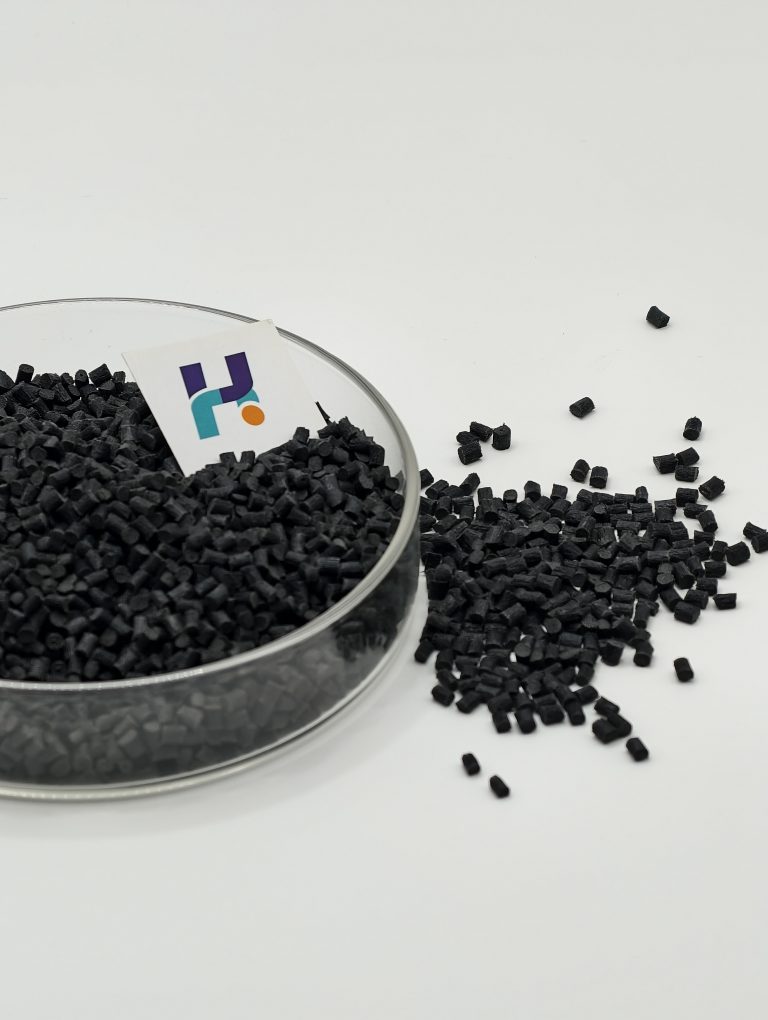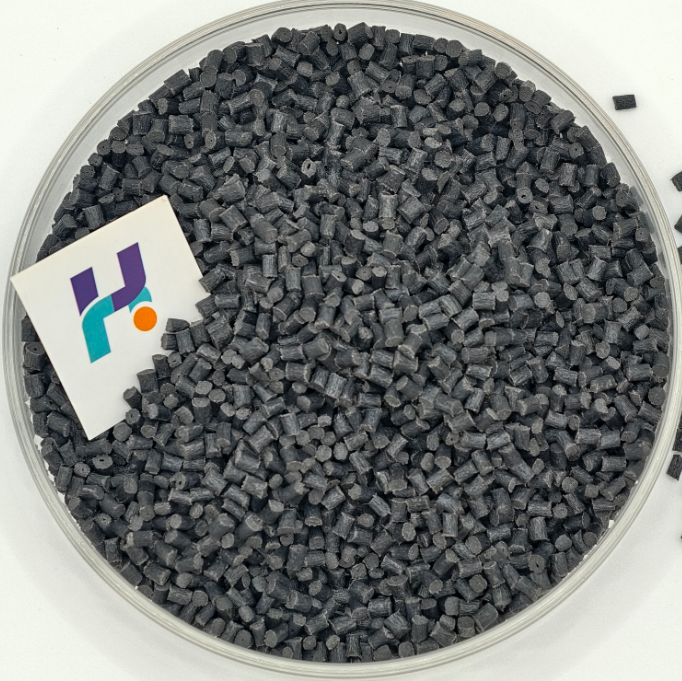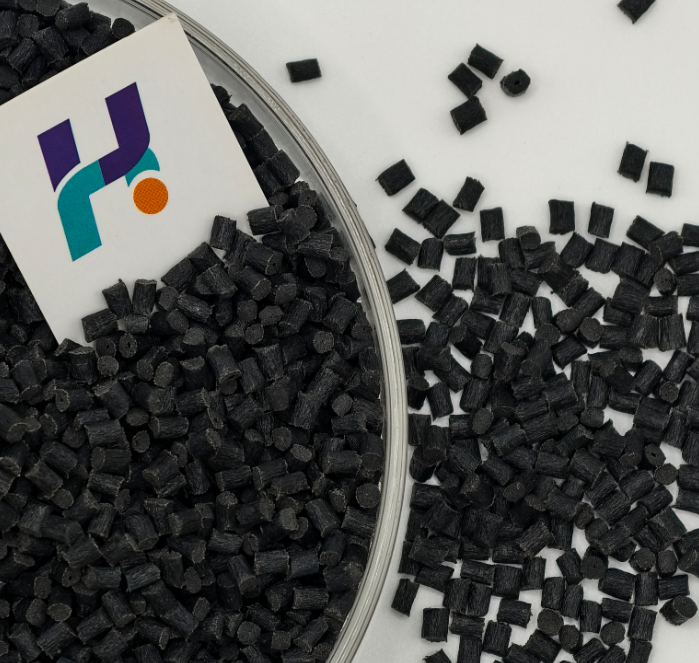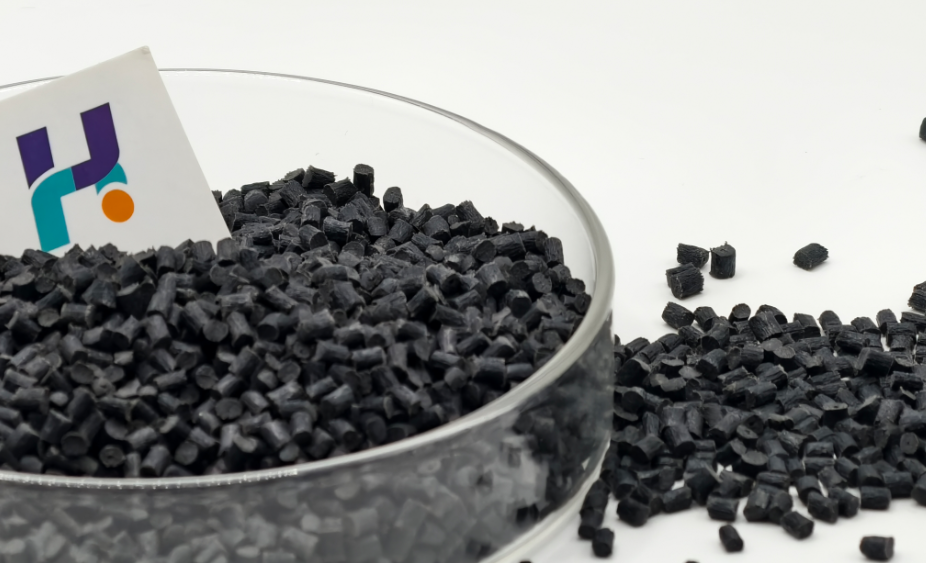
Glass Fiber Reinforced PA66 GF30

30% Glass Fiber Reinforced Nylon 66 for High-Performance Structural Applications
PA66 GF30 is one of the most widely specified high-performance glass fiber reinforced nylons for demanding structural applications. By incorporating 30% chopped glass fiber into the PA66 matrix, this material achieves excellent stiffness, high tensile strength, and superior heat resistance.
Compared with PA6 GF30, PA66 GF30 offers higher melting temperature, better mechanical retention after moisture absorption, and improved long-term thermal stability, making it the preferred choice for automotive and industrial environments.
Material Composition & Glass Fiber Reinforcement Structure
Material Composition Overview
-
Base Polymer: Polyamide 66 (PA66 / Nylon 66)
-
Glass Fiber Content: 30% chopped glass fiber
-
Fiber Type: E-glass
-
Optional Additives:
-
Heat stabilizer
-
Impact modifier
-
Flame retardant (UL94 V2 / V0)
-
UV stabilizer
-
-
Color Options: Natural, black, customized
This composition positions PA66 GF30 as a true high-performance structural nylon.
Core Advantages: Strength, Heat Resistance & Stabilit
Engineering Advantages
High Mechanical Strength
30% glass fiber reinforcement significantly improves tensile and flexural strength.
Superior Heat Resistance
Higher melting point and heat deflection temperature compared to PA6-based grades.
Better Moisture Stability
Lower performance loss after moisture absorption than PA6 GF grades.
Excellent Creep Resistance
Maintains structural integrity under long-term mechanical load.
Chemical & Wear Resistance
Resistant to oils, fuels, greases, and abrasion.
Manufacturing & Commercial Advantages
Automotive-Approved Structural Grade
Widely specified in OEM automotive applications.
Long-Term Reliability
Designed for continuous mechanical and thermal stress.
Consistent Injection Molding Performance
Stable processing behavior with proper mold design.
High Design Confidence
Ideal for safety-related and load-bearing components.

Typical Application Areas
Automotive Applications
-
-
Engine compartment components
-
Structural brackets and supports
-
Air intake and cooling system parts
-
Selected for heat resistance and strength.
Electrical & Electronics

High-strength connector housings
-
Electrical structural parts
-
Load-bearing electrical components
Ensures mechanical reliability and insulation stability.
Industrial & Mechanical Components
-
Structural frames
-
Load-bearing housings
-
Mechanical support parts
Suitable for demanding industrial environments.
Processing Performance & Injection Molding Guidelines

PA66 GF30 requires proper drying and controlled processing conditions to achieve optimal performance.
Typical Processing Parameters
-
Melt Temperature: 280–300°C
-
Mold Temperature: 80–120°C
-
Drying: 80°C for 4–6 hours
-
Injection Speed: Medium
-
Shrinkage: 0.2–0.5% (directional)
Moisture control is critical to maintain surface quality and mechanical strength.
OEM Customization Capabilities
PA66 GF30 can be customized for a wide range of applications.
Customization Options
-
Glass fiber content: GF25 / GF30 / GF35
-
Flame retardant grades (UL94 V2 / V0)
-
Heat-stabilized formulations
-
Enhanced surface finish
-
Color customization
OEM Support Services
-
Application-based material selection
-
Performance benchmarking
-
Prototype sampling
-
Long-term supply assurance
Technical Specification – PA66 GF30
| Property | Test Standard | Typical Value |
|---|---|---|
| Density | ISO 1183 | 1.35–1.40 g/cm³ |
| Tensile Strength | ISO 527 | 140–170 MPa |
| Flexural Strength | ISO 178 | 200–230 MPa |
| Flexural Modulus | ISO 178 | 8,000–10,000 MPa |
| Notched Izod Impact | ISO 180 | 6–9 kJ/m² |
| Heat Deflection Temp. | ISO 75 | 250–265°C |
| Shrinkage | — | 0.2–0.5% |
| Moisture Stability | — | Excellent |
FAQ
Q1: What is the main advantage of PA66 GF30?
It offers higher strength and heat resistance compared to PA6 GF30.
Q2: How does PA66 GF30 compare to PA6 GF30?
PA66 GF30 provides better thermal stability and retains mechanical properties better after moisture absorption.
Q3: Is PA66 GF30 suitable for under-hood automotive parts?
Yes. It is widely used in under-hood automotive environments.
Q4: Are flame-retardant grades available?
Yes. UL94 V2 and V0 grades can be supplied.
Q5: Can PA66 GF30 be customized?
Yes. Mechanical and thermal properties can be tailored for OEM requirements.