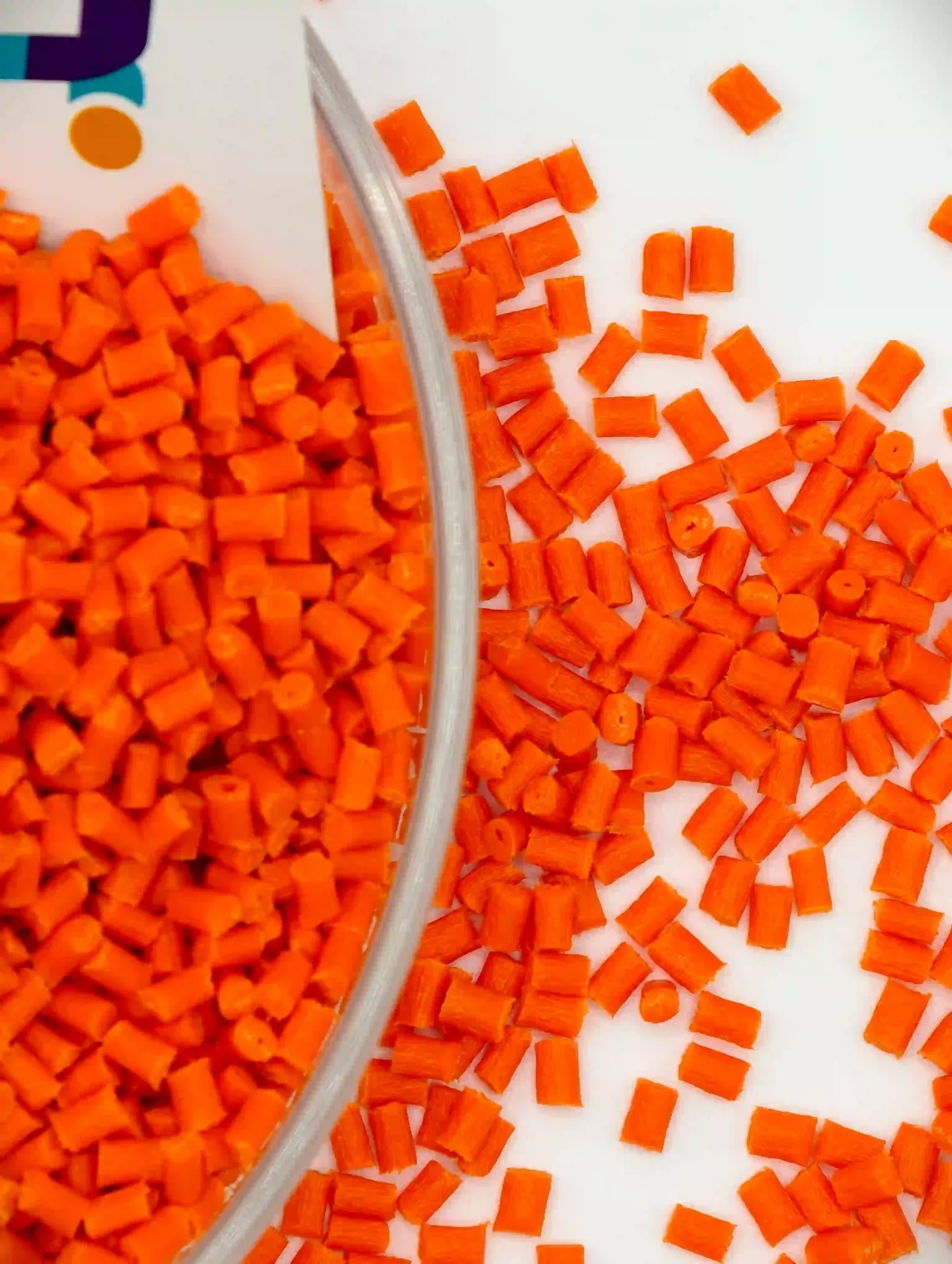
Glass Fiber Reinforced PA66

Filled Reinforced Nylon 66 for High-Performance Structural Applications
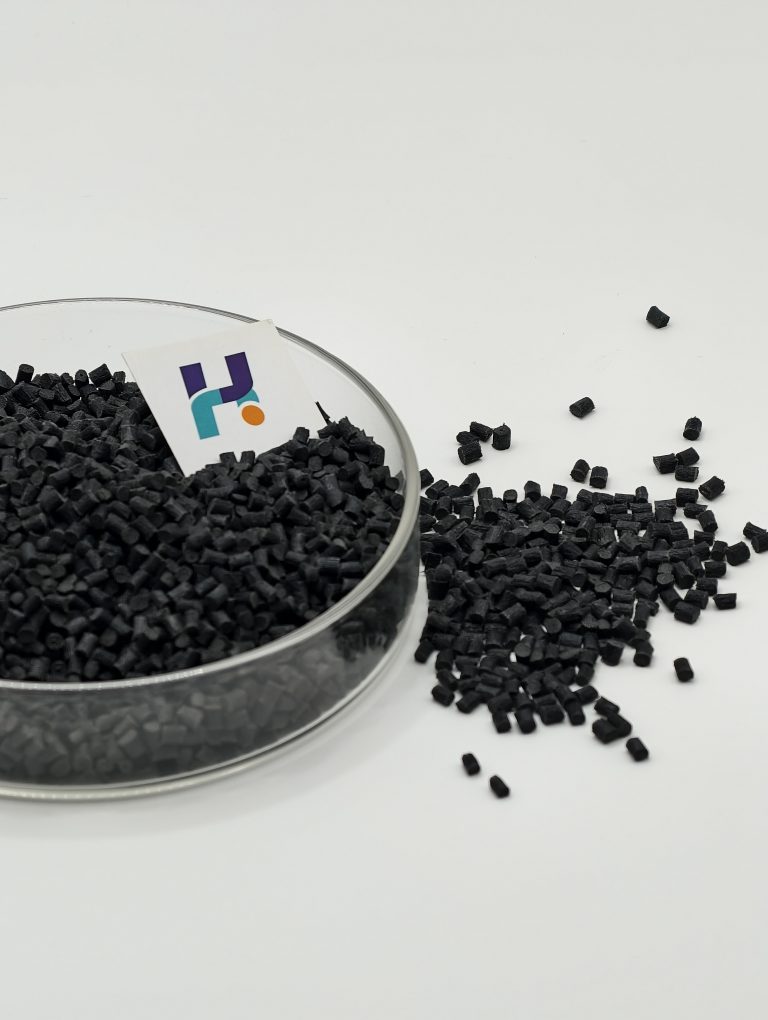
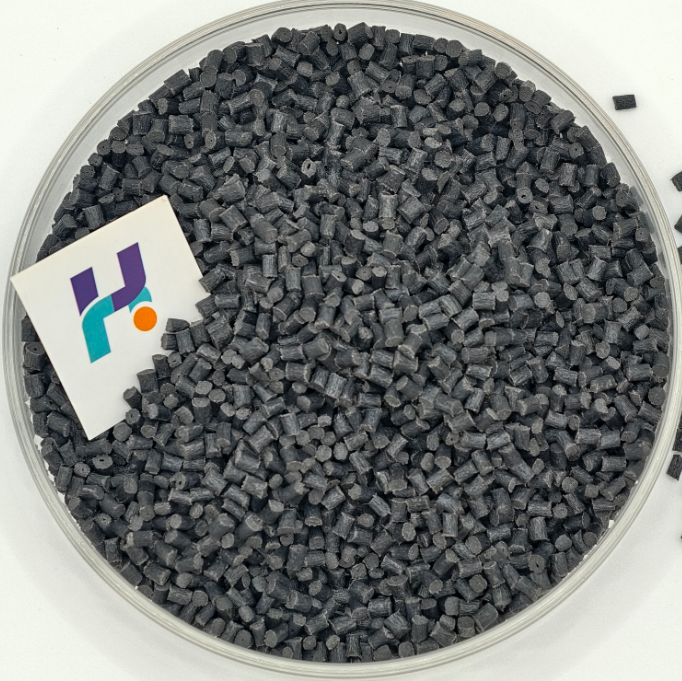
Glass Fiber Reinforced PA66 provides superior mechanical performance compared to pure PA66, making it ideal for parts that require higher stiffness, strength, and heat resistance. It is widely used in automotive, electrical, and industrial components that are exposed to mechanical and thermal stress.
This material is designed for applications requiring exceptional dimensional stability, abrasion resistance, and moisture resistance over time.
Material Composition & Glass Fiber Reinforcement Structure
PA66 GF is compounded by adding high-modulus glass fibers to the Nylon 66 polymer matrix. This creates a composite material with excellent strength, stiffness, and heat resistance, making it ideal for engineering applications that demand durable, high-performance materials.
Material Composition Overview
-
Base Polymer: Polyamide 66 (PA66 / Nylon 66)
-
Glass Fiber Content: Typically 15%-50%
-
Fiber Type: E-glass
-
Optional Additives:
-
Heat stabilizer
-
Flame retardant (UL94 V0 / V2)
-
Impact modifier
-
UV stabilizer
-
-
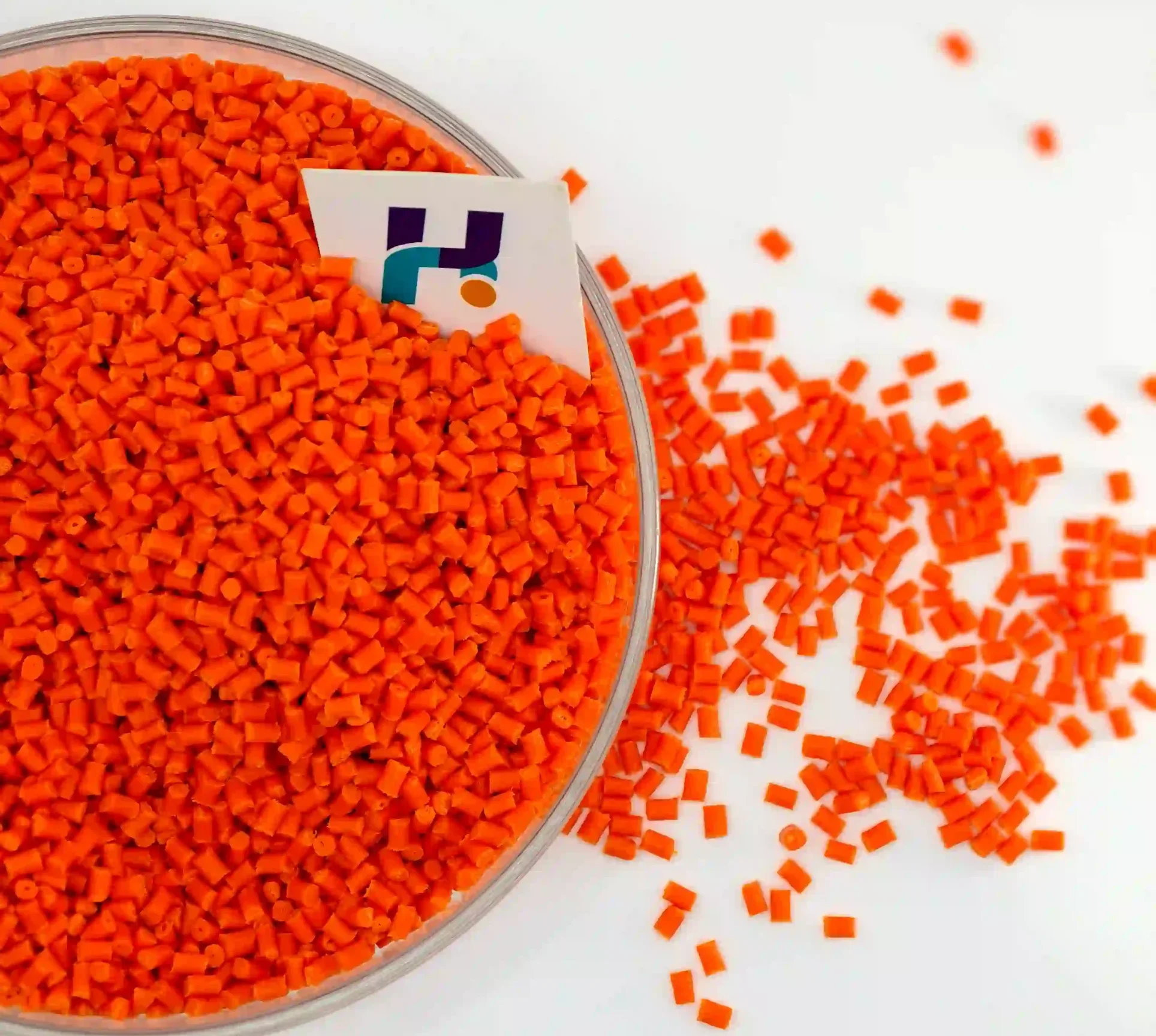
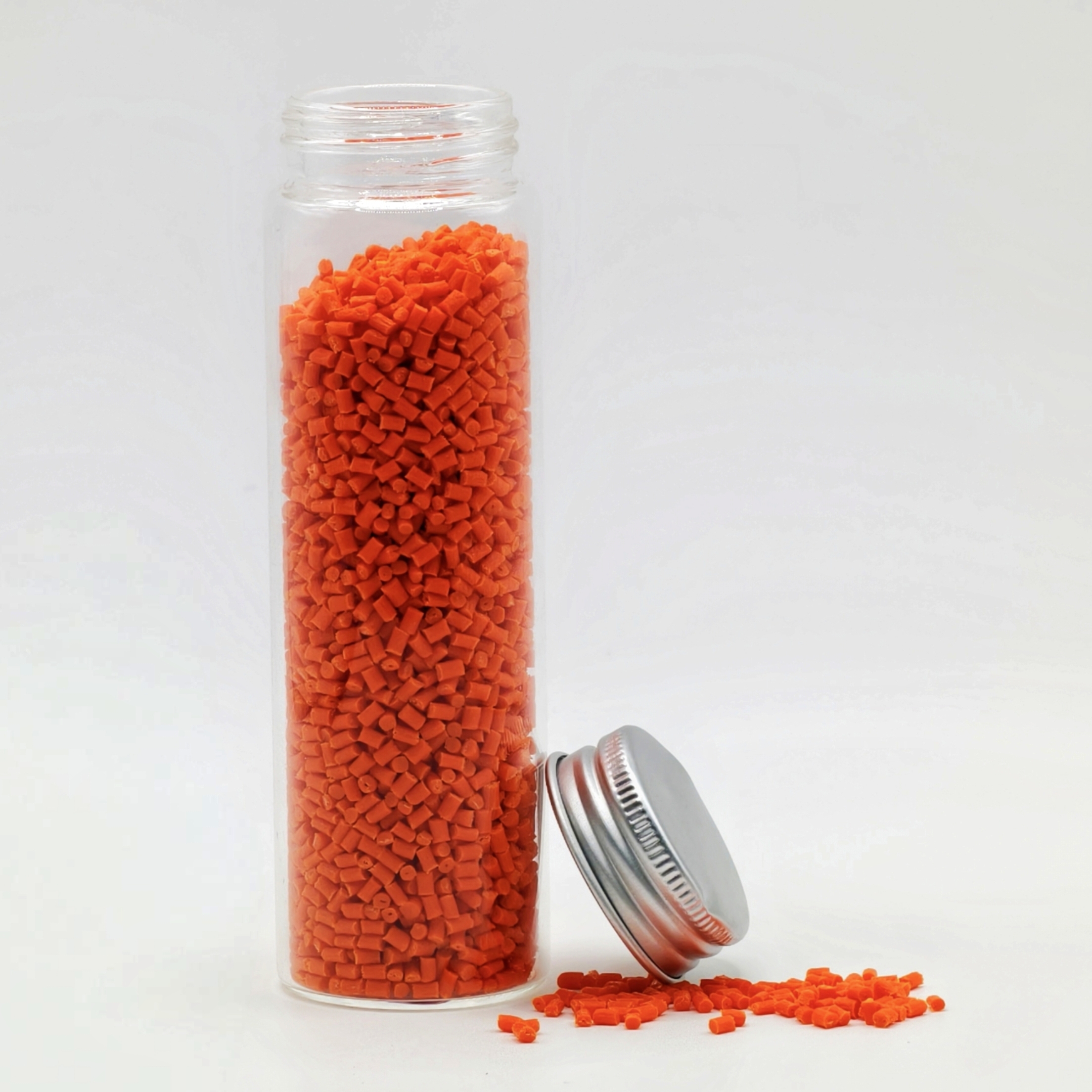
Color Options: Natural, black, customized
The combination of glass fibers and PA66 delivers high strength, stiffness, and improved heat resistance, with a variety of reinforcement levels available to suit different application needs.
Core Advantages: Strength, Durability & Thermal Stability
Engineering Advantages
Improved Mechanical Strength
The addition of glass fibers to PA66 significantly increases its tensile strength and flexural modulus, making it suitable for high-load applications.
Superior Heat Resistance
PA66 has a higher melting point than PA6, and glass fiber reinforcement enhances heat deflection to improve thermal stability in extreme environments.
Outstanding Dimensional Stability
Glass fiber reinforcement ensures low shrinkage and minimal warping even in complex geometries, maintaining dimensional integrity over time.
Wear & Abrasion Resistance
With glass fiber reinforcement, PA66 offers excellent resistance to wear and abrasion, extending the service life of mechanical parts.
Moisture Resistance
PA66 GF maintains stable mechanical properties even when exposed to moisture, making it ideal for humid environments and automotive applications.
Manufacturing & Commercial Advantages
Ideal for High-Performance Applications
PA66 GF is widely used in automotive, electrical, and industrial sectors due to its high strength and reliable performance.
Stable and Efficient Processing
This material molds consistently with good flowability, making it compatible with standard injection molding techniques.
Cost-Effective for Medium to High-Performance Needs
Glass fiber reinforcement at lower loading levels (15%-30%) provides optimized performance for cost-effective designs.
Typical Application Areas
Automotive Applications
-
Structural parts under high load
-
Under-the-hood components
-
Brackets and supports
-
Electrical housing components
Chosen for high temperature and mechanical stress resistance.
Electrical & Electronics
-
Connectors
-
Electrical insulators
-
Relay housings
-
Circuit breakers
Ensures reliable dielectric properties and mechanical stability.
Industrial Applications
-
Machinery parts
-
Structural supports
-
Gears and pulleys
-
Load-bearing housings
Ideal for heavy-duty industrial applications where wear and heat resistance are crucial.
 |
 |
 |
 |
Processing Performance & Injection Molding Guidelines
Glass Fiber Reinforced PA66 has stable processing behavior, but requires attention to moisture content and mold design.
Typical Processing Parameters
-
Melt Temperature: 280–310°C
-
Mold Temperature: 90–120°C
-
Drying: 80°C for 4–6 hours
-
Injection Speed: Medium
-
Shrinkage: 0.3–0.5%
Proper moisture control is necessary to achieve optimum surface finish and mechanical properties.
OEM / ODM Customization Capabilities
PA66 GF can be customized to meet specific mechanical and thermal performance requirements.
Customization Options
-
Glass fiber content: GF15 / GF20 / GF30 / GF40
-
Flame retardant grades (UL94 V2 / V0)
-
Impact-modified grades
-
Enhanced UV stability
-
Color customization
OEM Support Services
-
Performance-driven material selection
-
Prototype development and testing
-
Regulatory and compliance support
-
Long-term, consistent supply
Technical Specification – PA66 GF
| Property | Test Standard | Typical Value |
|---|---|---|
| Density | ISO 1183 | 1.40–1.50 g/cm³ |
| Tensile Strength | ISO 527 | 150–200 MPa |
| Flexural Strength | ISO 178 | 250–350 MPa |
| Flexural Modulus | ISO 178 | 10,000–15,000 MPa |
| Notched Izod Impact | ISO 180 | 6–8 kJ/m² |
| Heat Deflection Temp. | ISO 75 | 250–280°C |
| Shrinkage | — | 0.3–0.5% |
| Moisture Resistance | — | Excellent |
FAQ
Q1: What is the main advantage of PA66 GF?
PA66 GF provides higher strength and better thermal stability than PA6 GF, making it suitable for more demanding applications.
Q2: How does PA66 GF compare to PA6 GF?
PA66 GF has better heat resistance and dimensional stability, but PA6 GF may offer better impact resistance.
Q3: Is PA66 GF suitable for automotive parts?
Yes, PA66 GF is ideal for under-the-hood parts, offering thermal stability and mechanical strength.
Q4: Can flame-retardant grades be supplied?
Yes, UL94 V2 and V0 grades are available.
Q5: Can PA66 GF be customized for specific applications?
Yes, it can be tailored for impact resistance, heat resistance, and structural properties for OEM needs.