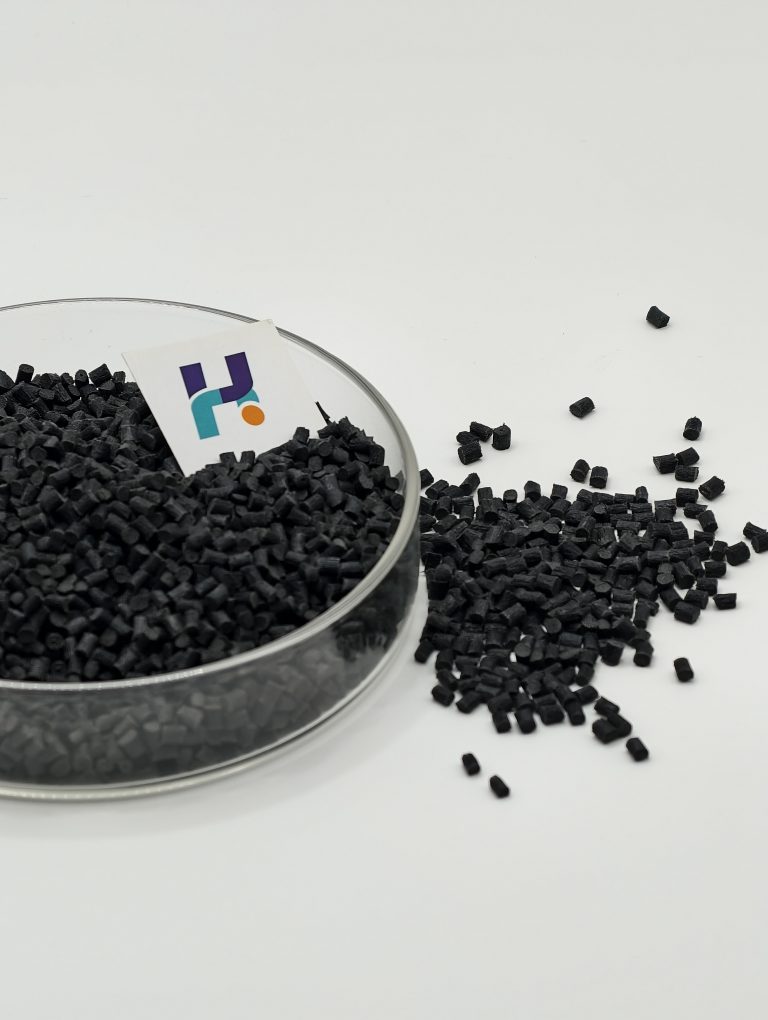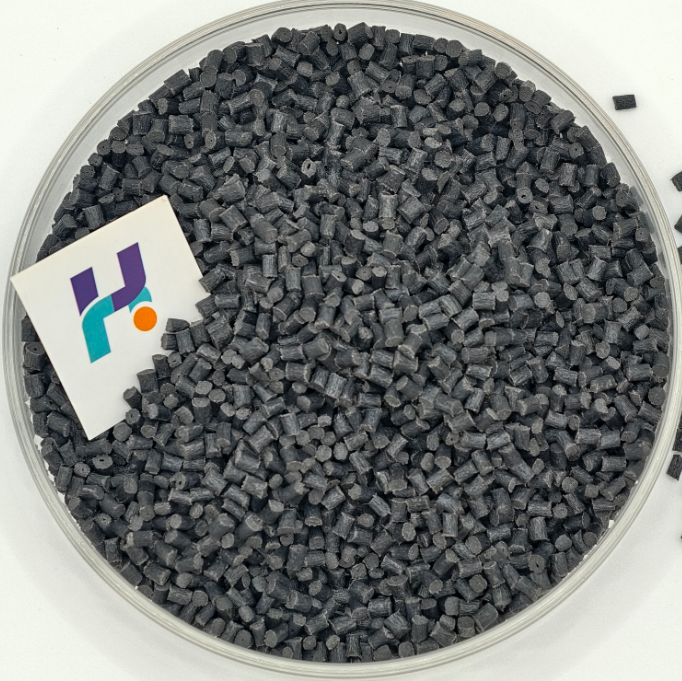
Flame Retardant Polypropylene
Fire-Resistant PP for Electrical & Safety-Critical Applications
Flame Retardant PP is developed for applications where fire safety regulations, electrical compliance, and material reliability are mandatory. Through the use of halogen-free flame retardant systems, polypropylene gains self-extinguishing behavior while retaining its core advantages: low density, chemical resistance, and easy processing.
Compared with glass fiber reinforced PP, flame retardant PP focuses less on structural stiffness and more on fire performance and electrical insulation. Compared with mineral reinforced PP, it prioritizes regulatory compliance and safety margins rather than warpage control alone.
Material Composition & Flame Retardant System
Material Composition Overview
-
Base Polymer: Polypropylene (PP)
-
Flame Retardant System: Halogen-free, low smoke
-
Typical Flame Rating: UL94 V2 / V0 (grade dependent)
-
Optional Additives:
-
Heat stabilizer
-
Impact modifier
-
UV stabilizer
-
Anti-drip additives
-
-
Color Options: Natural, black, customized
This composition is optimized for fire safety compliance rather than mechanical reinforcement.
Core Advantages: Fire Safety & Processing Stability
Engineering Advantages
Reliable Flame Retardancy
Meets UL94 V0 or V2 requirements depending on formulation.
Low Smoke & Halogen-Free
Suitable for applications requiring environmentally safer flame retardant systems.
Good Electrical Insulation
Maintains polypropylene’s natural dielectric properties.
Chemical Resistance
Resistant to detergents, oils, acids, and alkalis.
Lightweight Material
Lower density than nylon or flame-retardant engineering plastics.
Manufacturing & Commercial Advantages
Stable Injection Molding Behavior
Processes on standard PP molding equipment with minimal adjustments.
Cost-Controlled Fire Safety
Lower overall system cost compared to FR PA or FR PC materials.
Design Flexibility
Supports complex geometries and thin-wall designs.
Consistent Mass Production
Stable flame retardant performance across batches.
Typical Application Areas

Electrical & Electronics
-
Electrical enclosures
-
Junction boxes
-
Switch housings
Selected for UL compliance and insulation safety.
Home Appliances
-
Internal electrical components
-
Control panel housings
-
Power-related structures
Used where fire resistance is mandatory.

Industrial & Consumer Products
-
Safety housings
-
Electrical covers
-
Protective components
Ideal for fire-risk environments.
Processing Performance & Injection Molding Guidelines
Typical Processing Parameters
-
Melt Temperature: 190–230°C
-
Mold Temperature: 30–60°C
-
Drying: Not required
-
Injection Speed: Medium
-
Shrinkage: 0.6–1.0%
Careful control of melt temperature helps preserve flame retardant effectiveness.
OEM / ODM Customization Capabilities
Customization Options
-
Flame rating: UL94 V2 / V0
-
Impact-modified grades
-
Heat-stabilized formulations
-
UV-resistant outdoor grades
-
Color customization
OEM Support Services
-
Fire performance optimization
-
Regulatory documentation support
-
Prototype sampling
-
Long-term supply assurance
Technical Specification – Flame Retardant PP (Typical)
| Property | Test Standard | Typical Value |
|---|---|---|
| Density | ISO 1183 | 1.00–1.20 g/cm³ |
| Tensile Strength | ISO 527 | 30–45 MPa |
| Flexural Strength | ISO 178 | 55–80 MPa |
| Flexural Modulus | ISO 178 | 1,500–2,500 MPa |
| Notched Izod Impact | ISO 180 | 3–6 kJ/m² |
| Heat Deflection Temp. | ISO 75 | 110–140°C |
| Flame Rating | UL94 | V2 / V0 |
| Electrical Insulation | — | Excellent |
FAQ
Q1: How does flame retardant PP differ from glass fiber reinforced PP?
Flame retardant PP focuses on fire safety and electrical compliance, while GF PP focuses on stiffness and load-bearing performance.
Q2: Is flame retardant PP halogen-free?
Yes. Modern grades use halogen-free flame retardant systems.
Q3: Can flame retardant PP meet UL94 V0?
Yes, depending on formulation and wall thickness.
Q4: Is flame retardant PP suitable for structural parts?
It is suitable for lightly loaded parts where fire safety is the priority.
Q5: Can flame retardant PP be customized?
Yes. Flame rating, impact resistance, and environmental stability can be tailored.