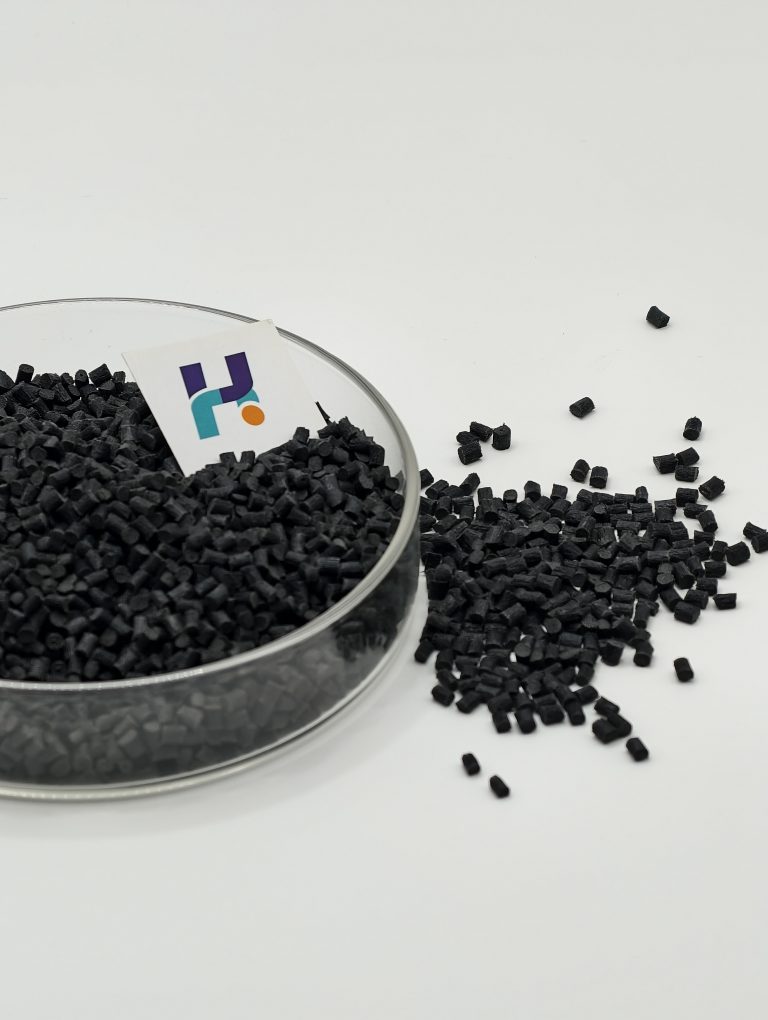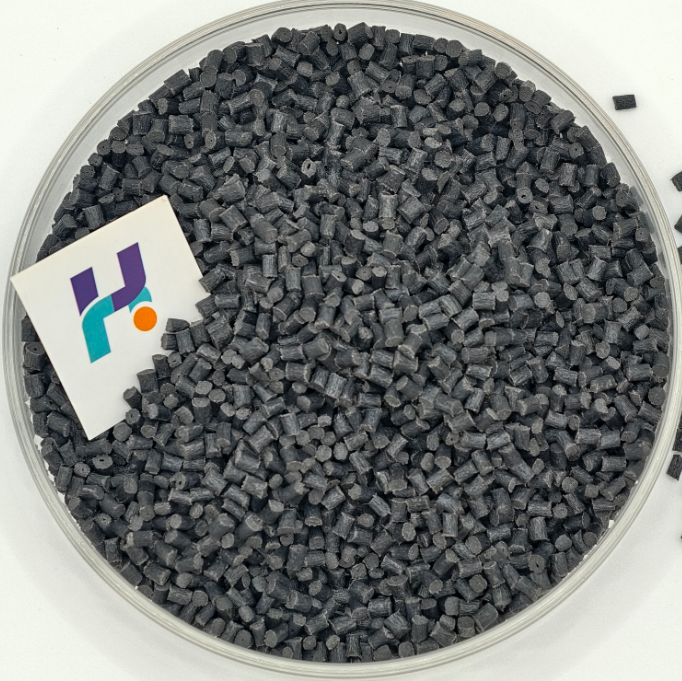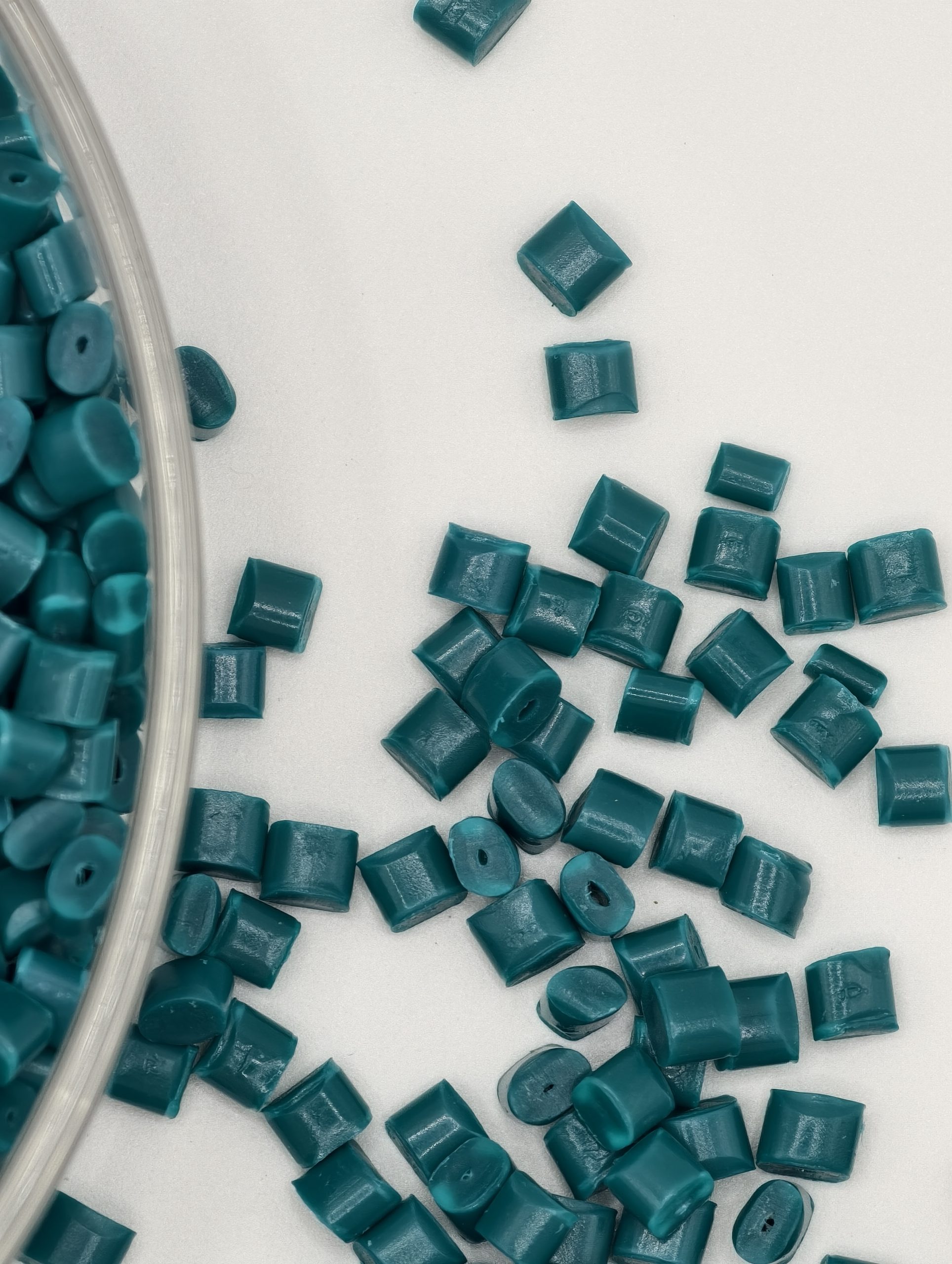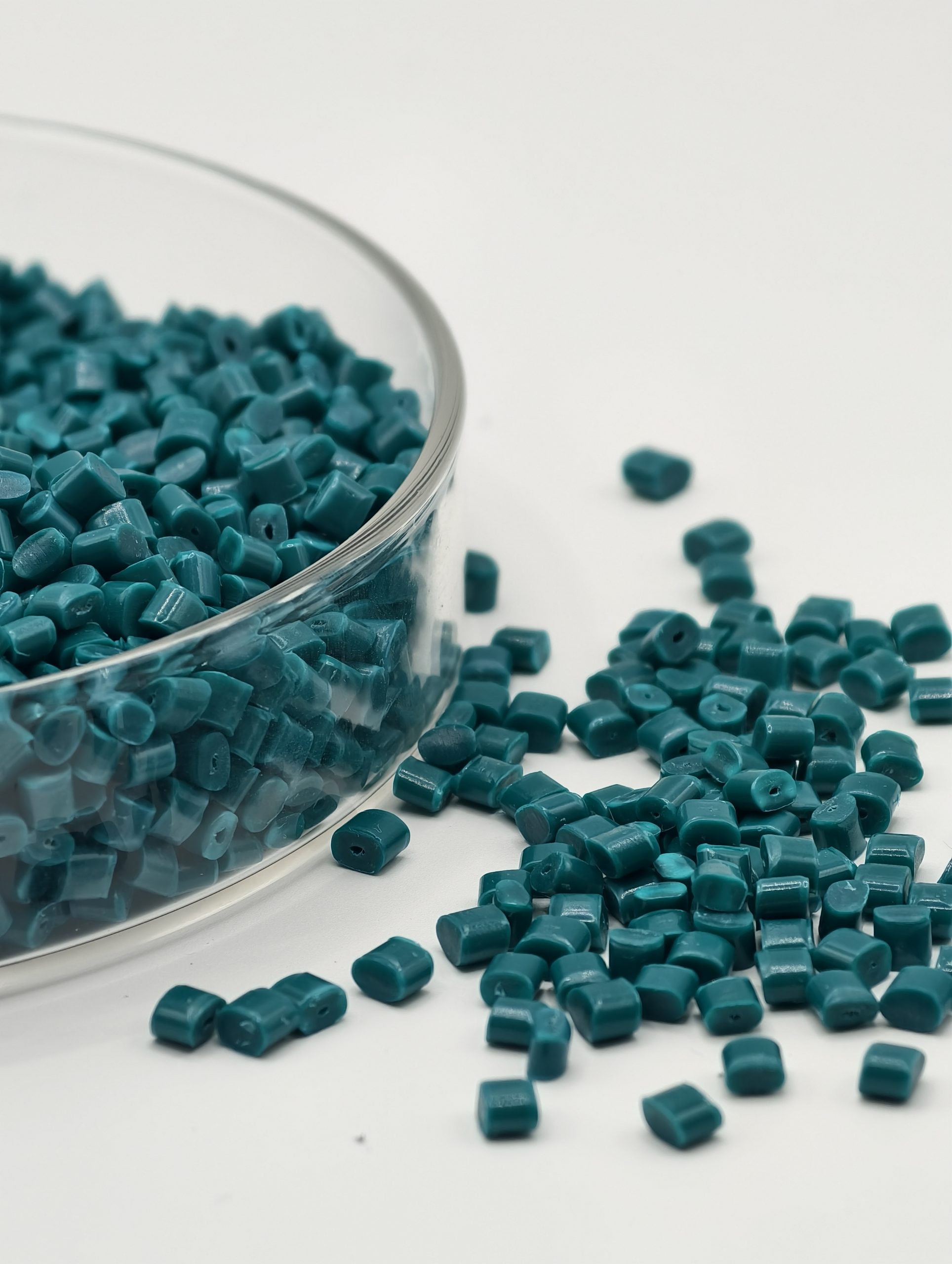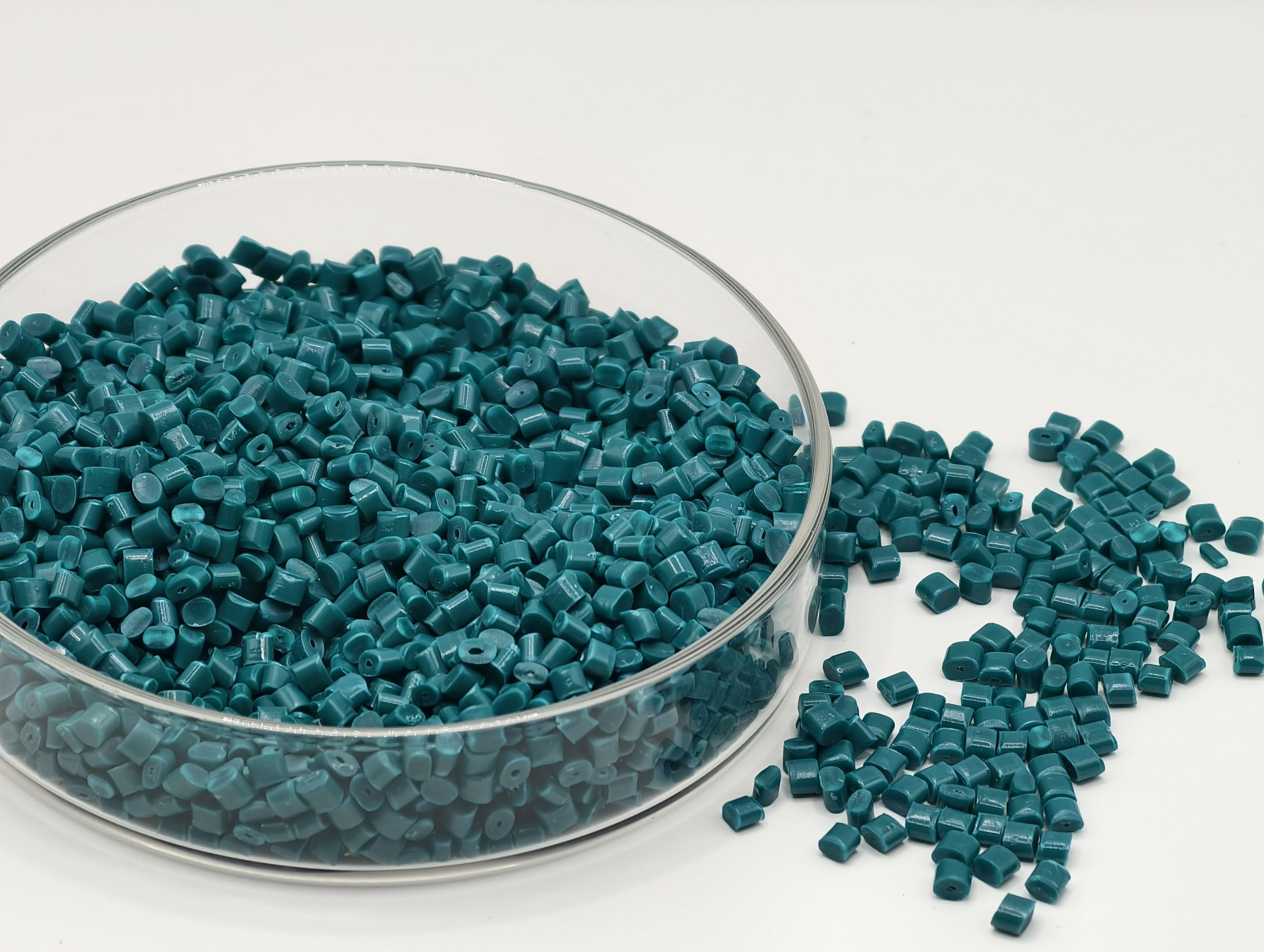
Built for stable injection molding in electrical and electronic housings.
Electrical plastics don’t fail in “lab conditions.” They fail on the line (warpage, short shots, weld-line cracks), in assembly (snap-fit breakage), and in real use (heat exposure, abnormal overload scenarios, long-term aging). A good FR ABS grade is not just “passes UL94”—it’s a compound that keeps your production predictable while meeting safety requirements.
FR ABS is an ABS matrix compounded with a flame-retardant system plus processing stabilizers and (when needed) impact modifiers.
Default design intent for this grade:
- High impact strength (snap-fits, screw bosses, and drop resistance)
- High flame resistance (commonly targeting UL94 V-0 / V-1; thickness-dependent)
- Injection molding stability (flow window, consistent color, reduced defects)
- Surface consistency (for housings that must look clean and uniform)
What “high flame resistance” really means in production
Passing a flammability rating is necessary—but for many buyers, the bigger win is risk reduction:
- reduced rework due to brittle parts (a common trade-off in FR plastics)
- fewer appearance rejects (streaks, splay, plate-out related issues)
- more consistent results across cavities and batches (lot stability)
Core Selling Points
1) High impact (designed to survive assembly and real-world handling)
Engineering angle: impact-modified FR ABS can maintain toughness while carrying flame-retardant additives that otherwise reduce ductility.
Buyer value: fewer broken snaps, less boss cracking, lower warranty risk from drop and handling.
2) High flame resistance (built for electrical safety pathways)
Engineering angle: FR system selection + dispersion control + stabilized processing helps achieve repeatable flame performance.
Buyer value: easier compliance, fewer retests, reduced project delays caused by “it passed once but failed later.”
3) Production stability (the most underrated spec)
Engineering angle: controlled melt flow window and additive compatibility reduces plate-out, improves weld-line integrity, and lowers cosmetic defects.
Buyer value: higher yield, fewer machine stoppages, faster ramp to mass production.
Typical Applications
|
|
|


Electrical Switches & Socket Components
Switch housings and socket bodies often require a balance of flame rating, impact toughness, and dimensional stability—especially around clip features, screw bosses, and thin-wall sections.
Electronic Device Housings
Consumer and industrial enclosures demand consistent appearance and reliable assembly performance (snap-fits / fasteners), while meeting safety requirements (UL94 or project-specific standards).
Small Electrical Assemblies
When the design includes vents, ribs, and thin walls, you need a compound that flows well without turning brittle.
Performance Target Map
Actual values depend on flame system, color, and standard. Use this as a practical decision guide.
| Attribute | Standard ABS | FR ABS (High Impact Grade) | Why it matters |
| Impact strength | High | High | Snap-fits & drop resistance |
| Flame resistance | Not rated | UL94 V-0 / V-1 (by request, thickness-dependent) | Compliance & safety |
| Flow / moldability | Good | Good–Very Good (grade-dependent) | Thin-wall filling, cycle time |
| Surface quality | Good | Stable / consistent (with correct processing) | Housing appearance |
| Dimensional stability | Medium | Medium–Good | Assembly fit, reduced rejects |
If your project is thin-wall V-0, glow-wire, or low-odor/low-VOC, tell us upfront—those targets change the formulation route.
Product Options (OEM Custom Compounding)
FR ABS is a family—not a single recipe. To make your ABS series coherent, you can publish variants under the same page logic:
Common FR ABS variants you can offer as a series:
- FR ABS V-0 (General purpose): balanced flow + flame performance
- FR ABS High Impact (your focus): stronger snap-fit/drop performance
- FR ABS Thin-Wall V-0: optimized for thinner sections and longer flow
- FR ABS Glow-Wire Ready (if needed): for markets requiring glow-wire tests
- FR ABS Low Odor / Low VOC (optional): for enclosed-use or branded consumer products
- FR ABS Color-Control Grade: for stable black/white/gray appearance and batch consistency
Customization knobs (OEM):
- UL94 target (V-0 / V-1) + target thickness
- Impact level (standard vs reinforced)
- Flow tuning (thin-wall, long-flow, multi-cavity stability)
- Color matching (Pantone / RAL / sample match)
- Surface goal (matte, low gloss, reduced streaking)
- Compliance support (RoHS/REACH; project documentation pack)
Injection Molding Guidance (how to keep FR ABS stable)
FR materials are more sensitive to processing than standard ABS. The goal is repeatability, not “high temperature.”
Practical starting window :
- Drying: recommended for stable appearance and to reduce splay (even if ABS is not as moisture-sensitive as PA)
- Melt temperature: moderate window (avoid overheating to reduce degradation/odor and plate-out risk)
- Mold temperature: stable, consistent across cavities (controls shrink and surface)
- Injection speed: medium-to-high to reduce hesitation and strengthen weld lines
- Venting: important for thin-wall housings to avoid burn marks and short shots
Common defects and how FR ABS grades help
| Problem on the line | What you see | How the right FR ABS grade helps |
| Brittle snap-fit failure | snaps crack during assembly | impact-modified formulation + weld-line strength focus |
| Plate-out / deposits | build-up on mold, surface defects | additive compatibility + thermal stability control |
| Splay / streaking | silver streaks on housing surface | drying discipline + stable flow package |
| Weld-line weakness | cracks near knit lines | flow balance + processing window + gate/venting guidance |
What you should provide (so we can propose the right grade fast)
You don’t need to share sensitive customer names or product models—just the engineering facts:
- Application & part type: switch body / socket base / housing cover
- Target flame rating: UL94 V-0 or V-1, and target thickness (e.g., 0.8 / 1.6 / 3.2 mm if you have it)
- Main failure mode today: brittle snaps, weld-line cracks, warpage, short shots, surface streaking, plate-out
- Key assembly method: snap-fit, screws, ultrasonic welding, inserts
- Appearance requirement: gloss/matte, color tolerance, scratch resistance expectation
- Any compliance needs: RoHS/REACH, glow-wire, low odor/low VOC, specific regional standards
- Molding notes (if available): gate type, hot runner/cold runner, cycle time sensitivity
If you send only (2) thickness + (3) failure mode + a part photo, we can usually start a solid recommendation.
By choosing FR ABS you get
FR ABS wins when it reduces the hidden costs:
- fewer broken parts in assembly → less rework, less line stoppage
- fewer retests / recert cycles → shorter time-to-market
- fewer appearance rejects → higher yield on housings
- stable batches → less parameter chasing, smoother mass production
If your customers care about reliable compliance and a clean-looking housing, FR ABS (high-impact) is one of the most practical “safe choices” in injection molding.