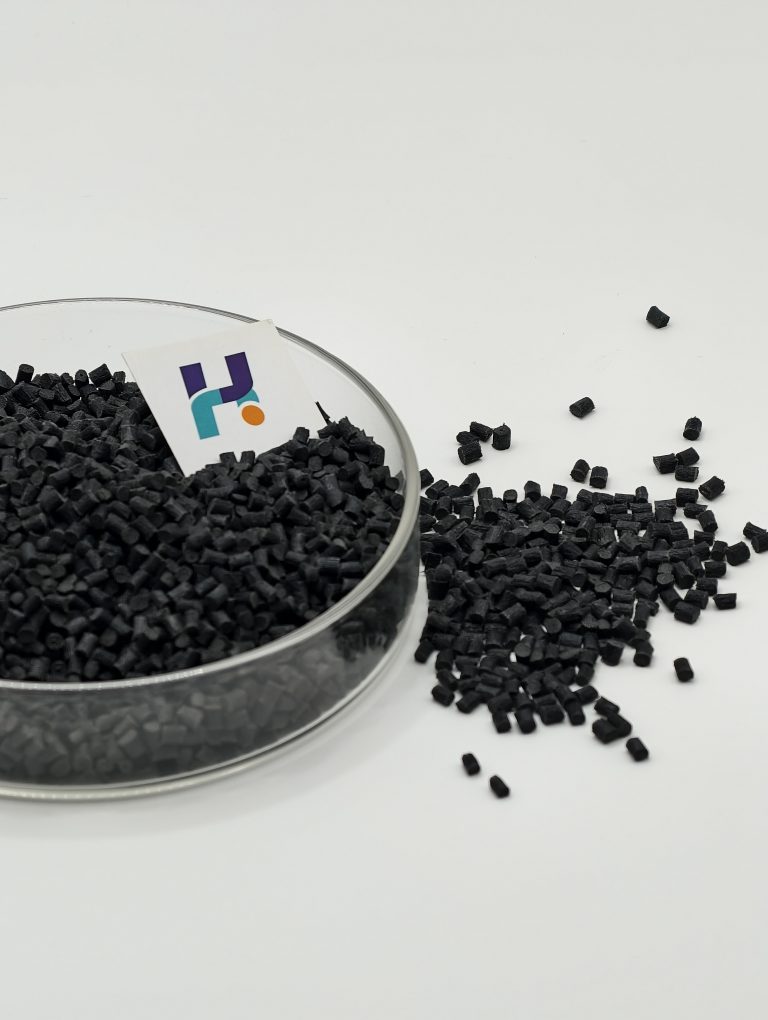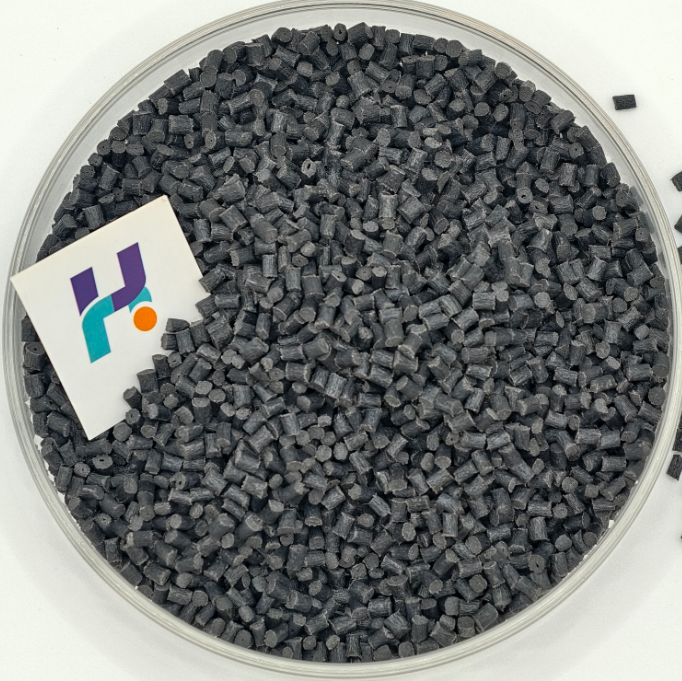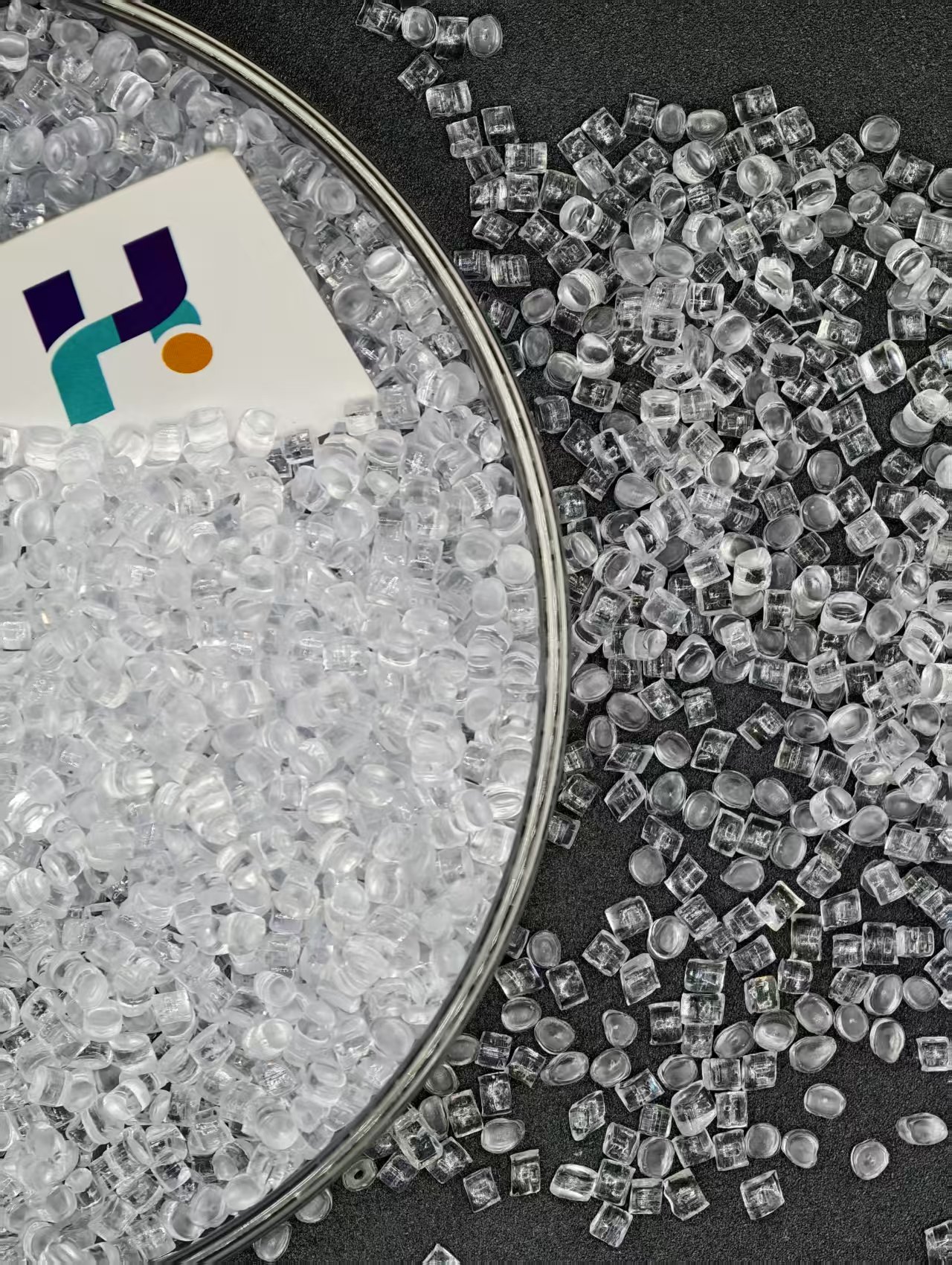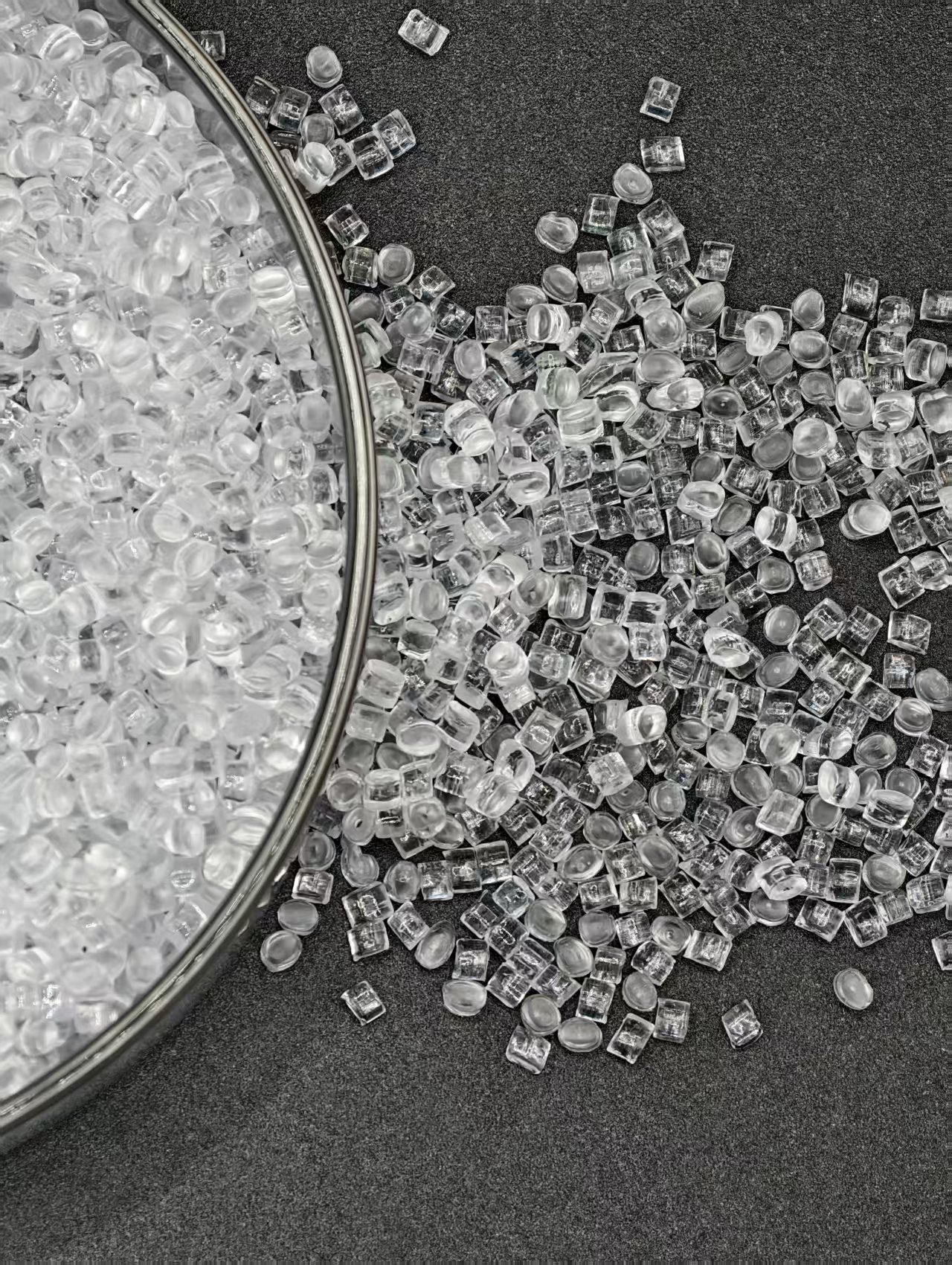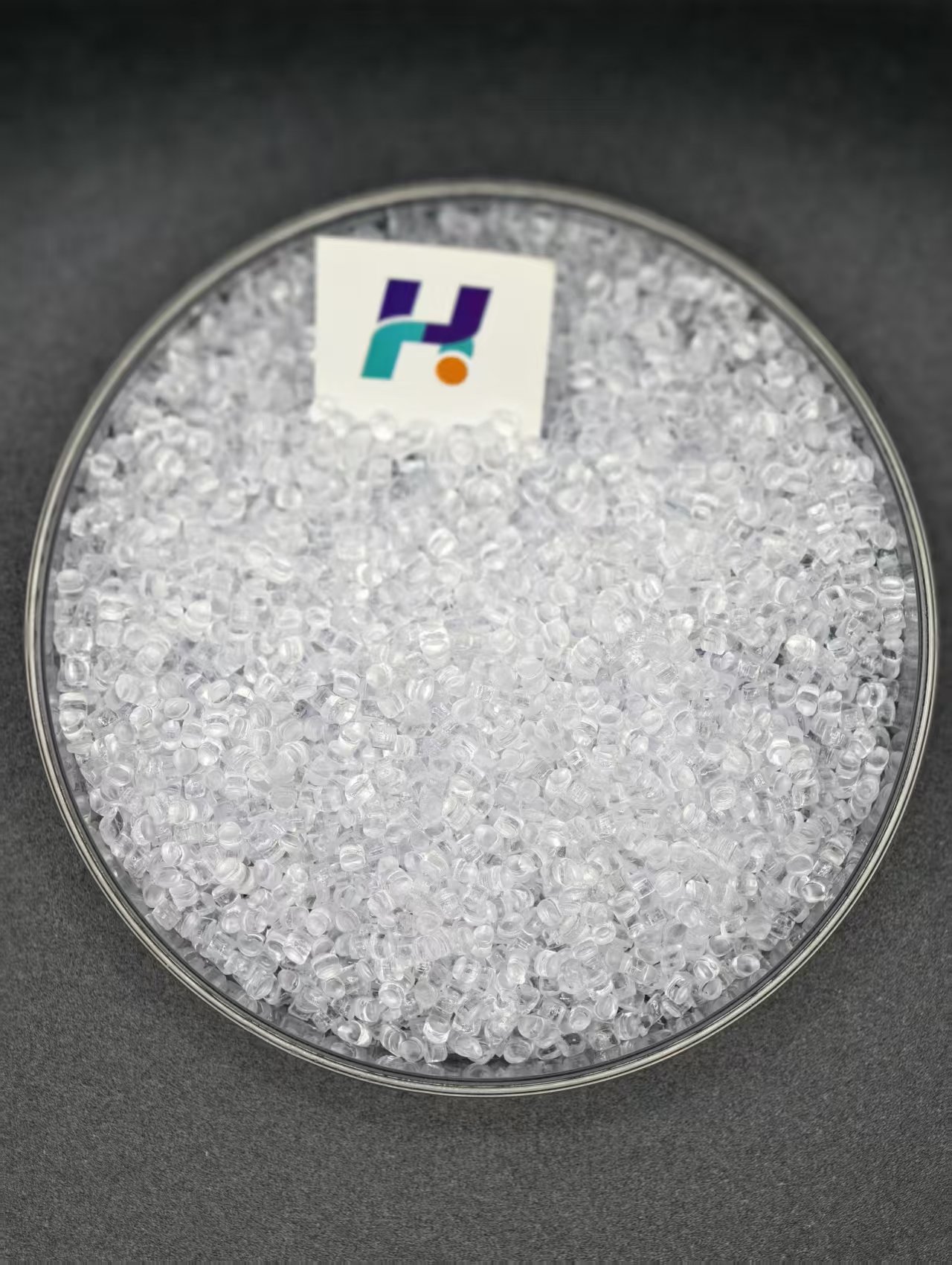
PC/ASA Alloy (Polycarbonate / ASA Blend)
UV Resistant & Flame Retardant Plastic for Outdoor and Exterior Components

PC/ASA Alloy is engineered for applications where weather resistance is critical. By blending polycarbonate with ASA (Acrylonitrile Styrene Acrylate), this alloy delivers excellent UV resistance, color retention, and surface stability, while maintaining the toughness and heat resistance of PC.
Compared with PC/ABS, PC/ASA offers significantly better outdoor durability and UV stability, making it a preferred solution for long-term exterior exposure.
Alloy Structure & Weather-Resistant Material Design
PC/ASA is a multi-phase polymer alloy where PC contributes mechanical strength and thermal performance, while ASA provides superior weathering resistance and color stability.
Material Composition Overview
-
Polymer System: Polycarbonate + ASA
-
Performance Focus: UV resistance & impact stability
-
Flame Retardant Options: HB / UL94 V0
-
Reinforcement: None (unfilled)
-
Optional Additives:
-
UV stabilizer (enhanced)
-
Heat stabilizer
-
Color stabilization system
-
-
Color Options: Light colors, black, customized
This alloy system is optimized for long-term outdoor exposure.
Core Advantages: Weather Resistance Meets Structural Performance
Engineering Advantages
-
Excellent UV & Weather Resistance
Maintains color and surface integrity under long-term sunlight exposure. -
Good Impact Resistance
Suitable for outdoor and exterior components. -
Improved Heat Resistance vs ASA
Better thermal performance than ASA alone. -
Stable Dimensional Performance
Reduced warpage compared to pure PC in outdoor environments.
Manufacturing & Commercial Advantages
-
Good surface appearance for visible parts
-
Stable injection molding behavior
-
Outdoor-grade material without secondary coating
-
OEM-approved for exterior applications
Flame Retardant Grades: HB vs UL94 V0
HB Grade
-
Basic flame resistance
-
Better impact retention
-
Cost-effective for non-critical parts
UL94 V0 Grade
-
Self-extinguishing behavior
-
Suitable for electrical safety components
-
Halogen-free options available
Typical Application Areas
|
|
|
|


Outdoor & Infrastructure
-
Outdoor enclosures
-
EV charging station housings
-
Communication equipment covers
Automotive Exterior
-
Mirror housings
-
Exterior trim components
-
Sensor covers
Electrical & Industrial
-
Outdoor electrical boxes
-
Weather-exposed control housings
Processing Performance & Injection Molding Guidelines
PC/ASA requires controlled processing conditions to ensure optimal surface and UV performance.
-
Melt Temperature: 250–280 °C
-
Mold Temperature: 80–100 °C
-
Drying: 110–120 °C for 3–4 hours
-
Injection Speed: Medium
-
Shrinkage: 0.3–0.6%
Proper drying is essential to maintain impact strength and surface quality.
Technical Specification – PC/ASA Alloy (HB / V0)
| Property | Test Standard | Typical Value |
|---|---|---|
| Density | ISO 1183 | 1.15–1.22 g/cm³ |
| Tensile Strength | ISO 527 | 55–65 MPa |
| Notched Izod Impact | ISO 180 | 10–20 kJ/m² |
| Heat Deflection Temp. | ISO 75 | 105–125 °C |
| Flame Rating | UL94 | HB / V0 |
OEM / ODM Customization Capabilities
-
HB / UL94 V0 flame ratings
-
Enhanced UV & weather resistance
-
Color retention–optimized grades
-
Outdoor long-life formulations
FAQ
Q1: Why choose PC/ASA instead of PC/ABS?
PC/ASA offers significantly better UV and weather resistance for outdoor use.
Q2: Is PC/ASA suitable for outdoor electrical enclosures?
Yes, it is widely used for weather-exposed electrical housings.
Q3: What is the difference between HB and V0 grades?
HB provides basic flame resistance, while V0 meets strict self-extinguishing requirements.
Q4: Does PC/ASA maintain color under sunlight?
Yes, ASA provides excellent color stability under UV exposure.
Q5: Can PC/ASA be customized for OEM applications?
Yes, UV performance, flame rating, and appearance can be tailored.