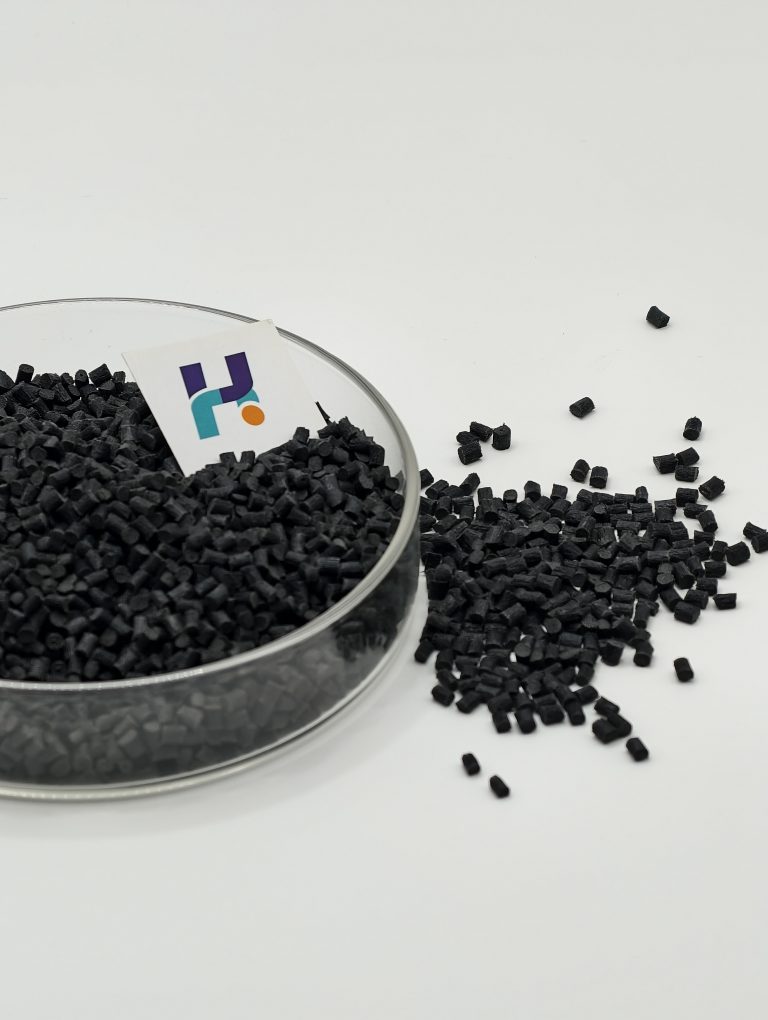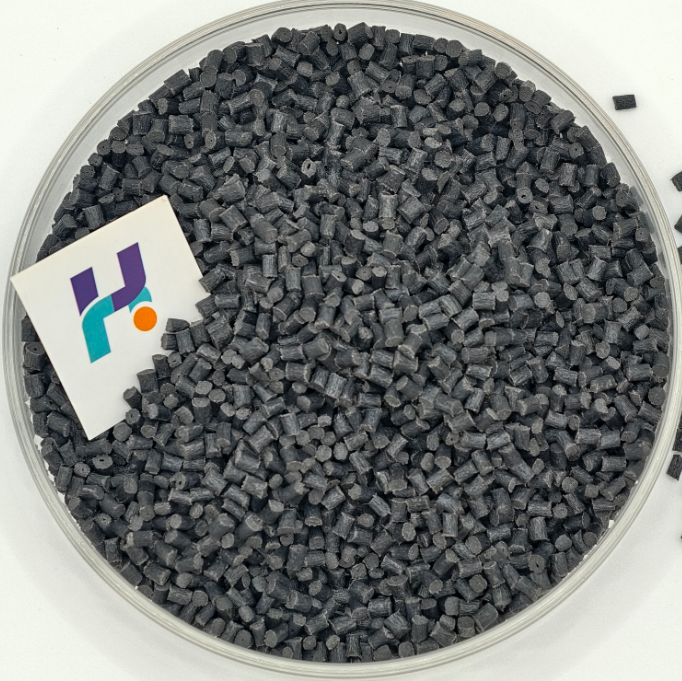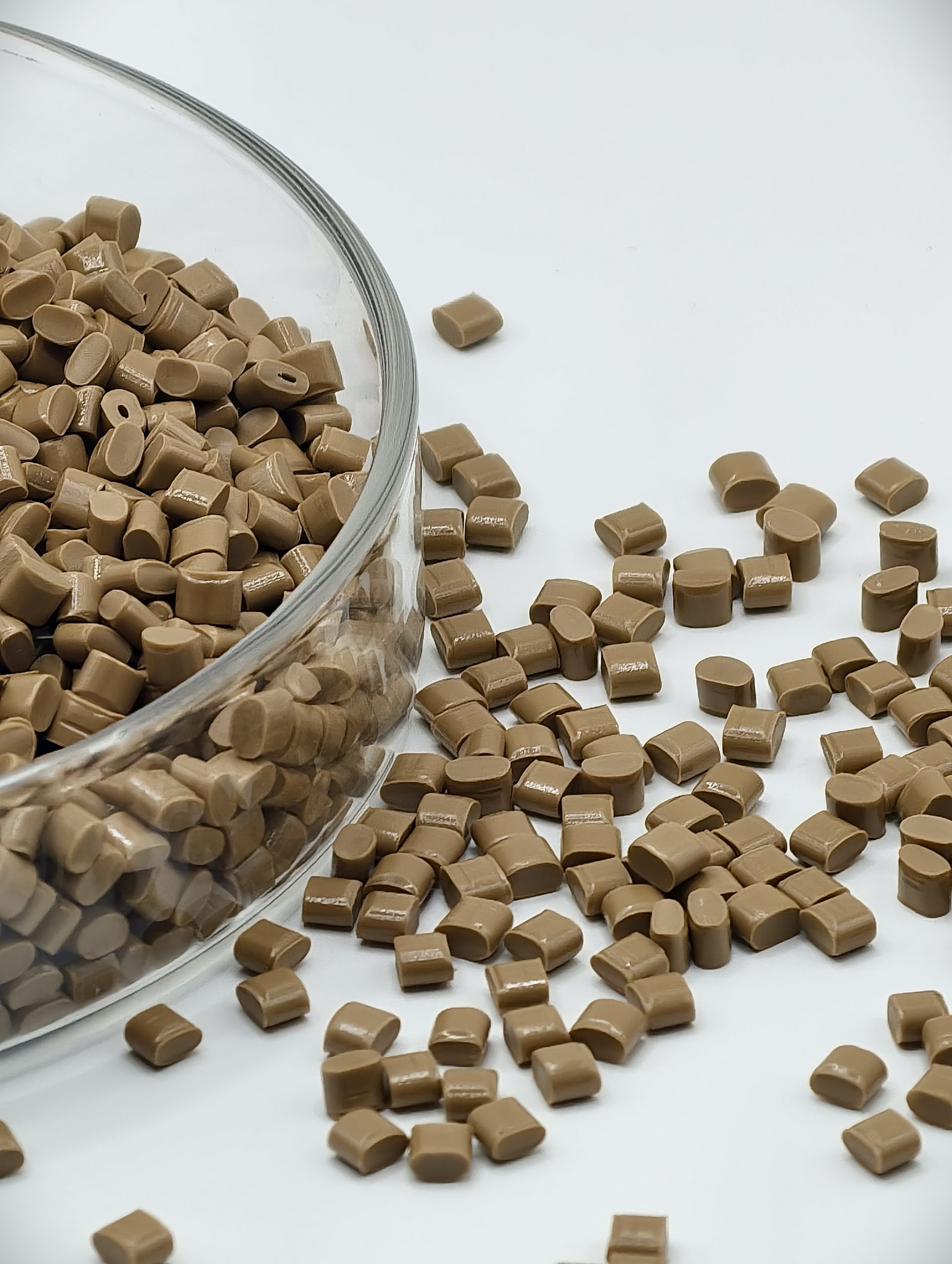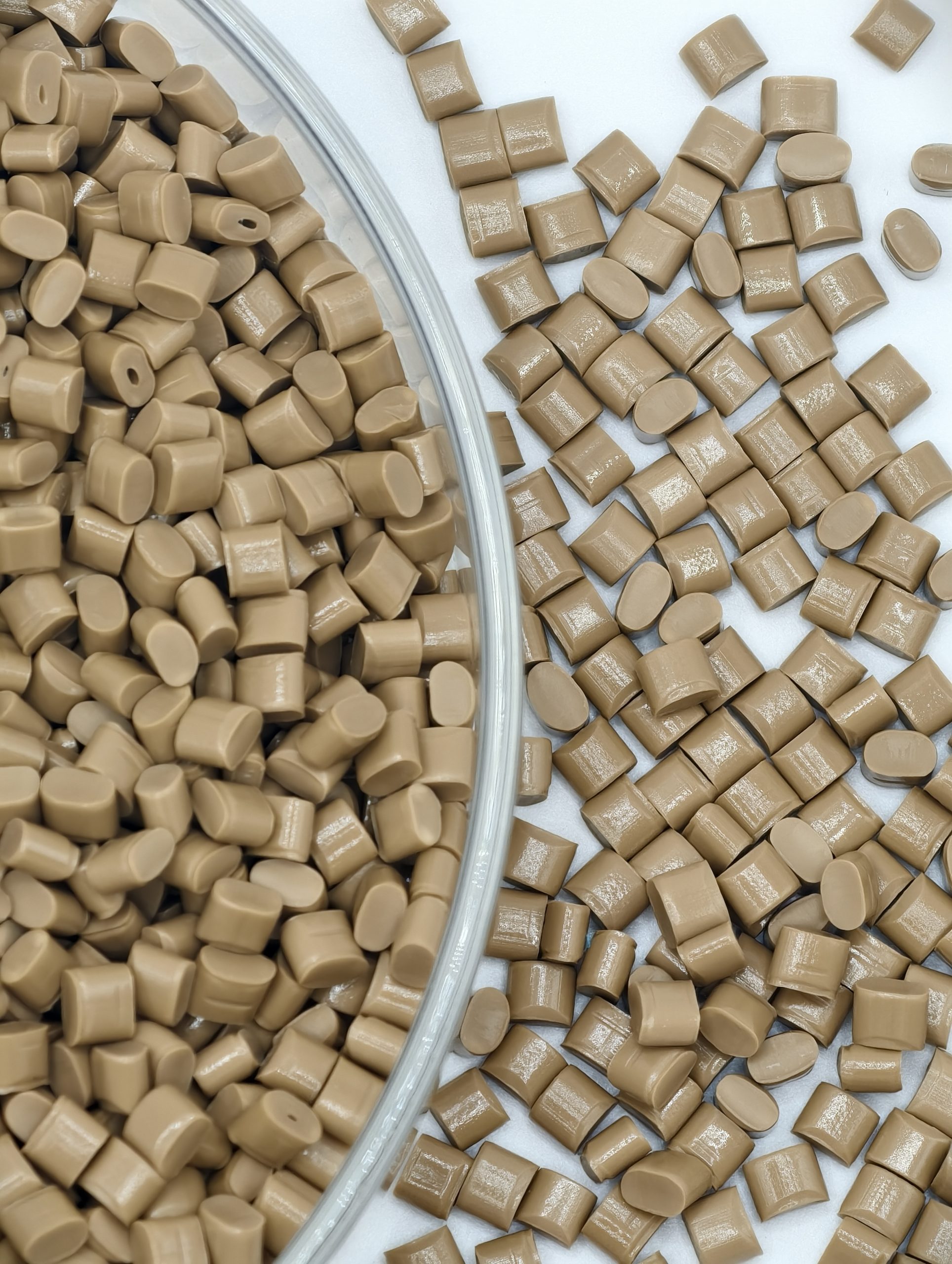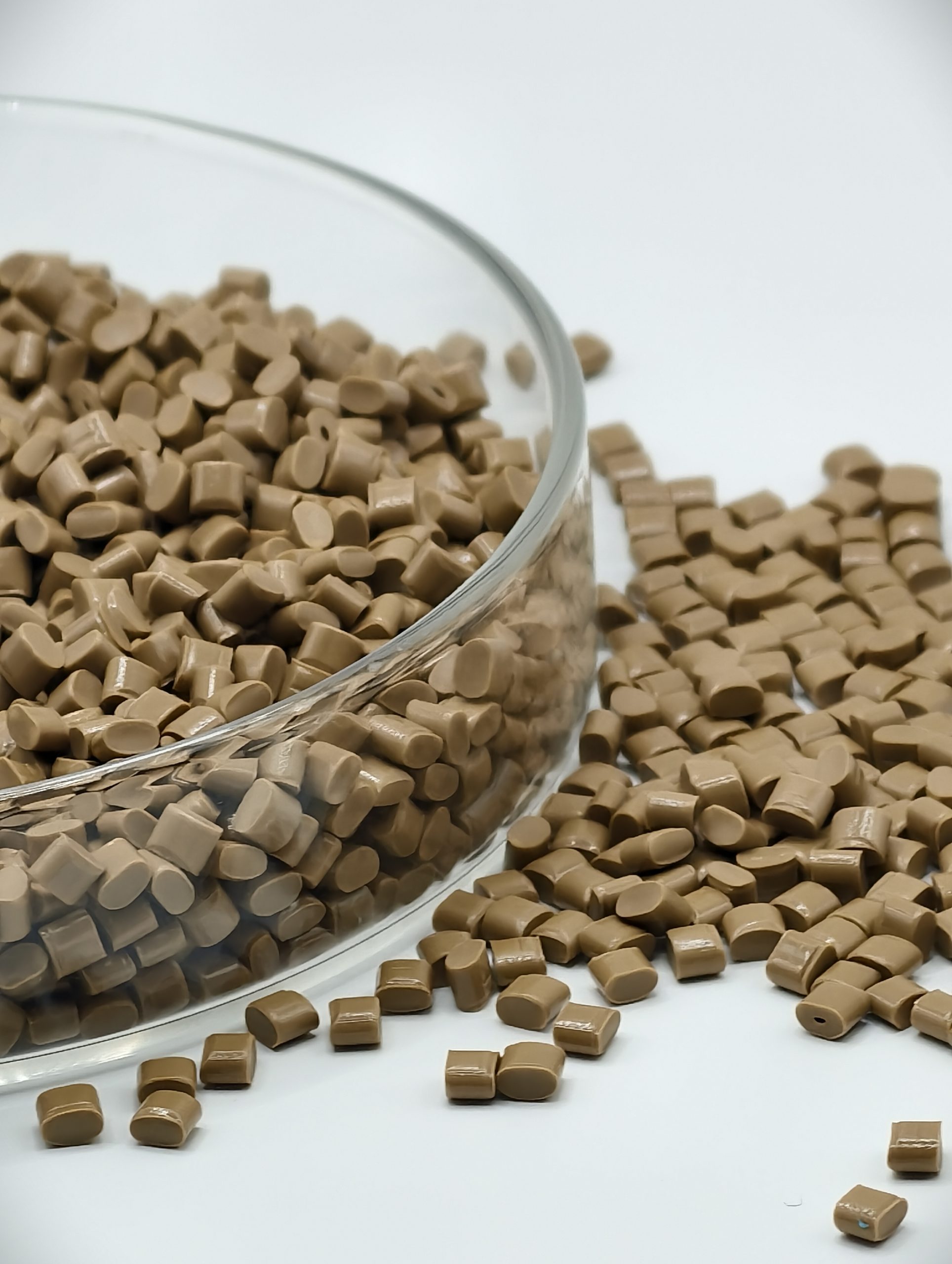
Built for hot-soak stability and tough handling—ideal for automotive armrest assemblies and mirror housings.
In automotive plastics, the failure is rarely “it melted.” It’s more subtle—and more expensive:
-
an armrest frame that warps after hot-soak, creating squeaks and misalignment
-
a mirror housing that creeps or deforms, changing gaps and clip engagement
-
a cover that cracks at snap-fits after thermal cycling and repeated handling
-
a part that passes trials but becomes unstable across seasons and batches
Heat-resistant ABS exists to reduce these failures by holding shape at elevated temperature without sacrificing impact toughness.
Yongjinhong Heat-Resistant ABS
Heat-resistant ABS is an ABS-based injection molding compound designed with a heat-stability package (to improve thermal deformation resistance and aging) and an impact-toughness strategy (to protect clips, bosses, and edges).
Default design intent for this grade:
-
High temperature resistance for hot-soak environments (interior heat load + solar load near glass, exterior heat + engine bay proximity in some layouts)
-
High impact strength for daily handling, vibration, and assembly stresses
-
Dimensional stability for consistent gaps, fit, and reduced squeak/rattle risk
-
Production stability (flow window + surface consistency for large-volume injection)
This is a practical alternative when standard ABS loses stiffness or distorts at elevated temperatures, but you don’t want to jump to higher-cost materials unless truly necessary.
Why this grade
1) Heat resistance that targets real automotive hot-soak cycles
Engineering angle: formulation focuses on improving resistance to heat-related deformation and aging; performance is part-geometry dependent.
Buyer value: fewer “summer distortion” issues, less rework after heat aging tests, and more stable assembly in long-term field use.
2) High impact that protects clips, edges, and snap features
Engineering angle: impact-toughness design helps prevent brittle failure at weld lines, snap-fits, and screw bosses—common weak points in housings.
Buyer value: less breakage during assembly, reduced returns from handling damage, stronger shipping resilience.
3) Stable processing window (less parameter chasing)
Engineering angle: controlled MFR window + additive compatibility reduces surface defects and improves repeatability across lots.
Buyer value: higher yield, smoother ramp-up, less downtime caused by cosmetic or filling issues.
Typical Applications
|
|
|


Automotive Armrest Box / Console Components
Armrest structures see: hot-soak + repeated load + squeak/rattle sensitivity. Heat-resistant ABS is used for frames, brackets, covers, and functional pieces that must maintain geometry and feel solid.
Rearview Mirror Housing / Mirror Cover
Mirror housings face: sun exposure, heat cycling, vibration, and outdoor knocks. This grade supports impact toughness plus heat stability to keep clip engagement, gaps, and shape consistent.
Other common automotive uses (optional extension)
-
pillar trims / interior housings near glass
-
small exterior housings requiring toughness
-
functional covers where stable fit matters more than ultra-high gloss
Performance Target Map
Actual values depend on formulation, color, and test standard. Use as a decision framework.
| Attribute | Standard ABS | Heat-Resistant ABS (This Grade) | Why it matters |
|---|---|---|---|
| Heat deformation resistance | Medium | Higher | Better hot-soak shape retention |
| Impact strength | High | High | Snap-fit durability & handling |
| Dimensional stability | Medium | Medium–Good | Gap & fit consistency |
| Surface quality | Good | Stable / consistent | Automotive appearance rejects |
| Cost vs high-end resins | Lower | Balanced | Upgrades performance without overpaying |
If you need outdoor long-term UV + color retention, tell us—mirror housings often need a UV/weathering package depending on paint/finish strategy.
Product Options
A “heat-resistant ABS” can mean different targets. To make your ABS series easy to navigate, you can publish variants:
Suggested series variants:
-
Heat-Resistant ABS – High Impact (your base): armrest + mirror general grade
-
Heat-Resistant ABS – Low Warpage: larger armrest frames, long-flow parts
-
Heat-Resistant ABS – UV/Weathering: mirror housings / semi-exterior use
-
Heat-Resistant ABS – Color-Control: tight color tolerance for visible trims
-
Heat-Resistant ABS – Thin-Wall Flow: when wall thickness is low and flow length is high
Customization knobs (OEM):
-
Heat target (hot-soak stability / heat aging focus)
-
Impact level (assembly + drop resistance)
-
Flow tuning (thin-wall, multi-cavity stability)
-
Color matching (Pantone / RAL / sample match)
-
Surface goal (matte, low gloss, paint-friendly)
-
Weathering package (UV if required)
-
Compliance support documentation (RoHS/REACH; IMDS support if needed)
Injection Molding Guidance
Heat-resistant ABS typically processes similarly to ABS, but stability depends on controlled temperature and cooling, especially for large parts.
Practical trial setup:
-
Drying: recommended to reduce splay and stabilize appearance
-
Melt temperature: keep in a stable window (avoid overheating that can cause degradation/odor)
-
Mold temperature: consistent across cavities to control shrink/flatness
-
Injection speed: medium-to-high for weld-line quality and smooth flow
-
Packing/holding: controlled and repeatable to reduce sink/warp on thicker frames
Common line issues in armrest/mirror parts
| Issue | What you see | Typical control path |
|---|---|---|
| Hot-soak warp | gaps shift, clips misalign | heat package + packing/cooling uniformity |
| Snap-fit cracking | clips break during assembly | high-impact design + weld-line strength attention |
| Squeak/rattle | micro-movement after aging | stiffness/creep control + dimensional stability |
| Surface defects | streaks, flow marks | drying + temperature stability + venting |
What you should provide
No customer names needed—just the engineering facts:
-
Part type: armrest frame/cover, mirror housing/cover
-
Max service temperature or test condition: hot-soak temperature/time, thermal cycling requirement (if known)
-
Wall thickness range + any thin-wall zones
-
Main failure mode today: hot warp, clip breakage, weld-line cracks, appearance marks
-
Surface requirement: paint / texture / gloss target, scratch expectations
-
Outdoor exposure (for mirror): UV exposure duration, color retention expectation
-
Molding setup (optional): hot runner/cold runner, gate constraints, multi-cavity or single
If you only have (2) hot-soak target + (4) failure mode + a part photo, that’s enough to start.