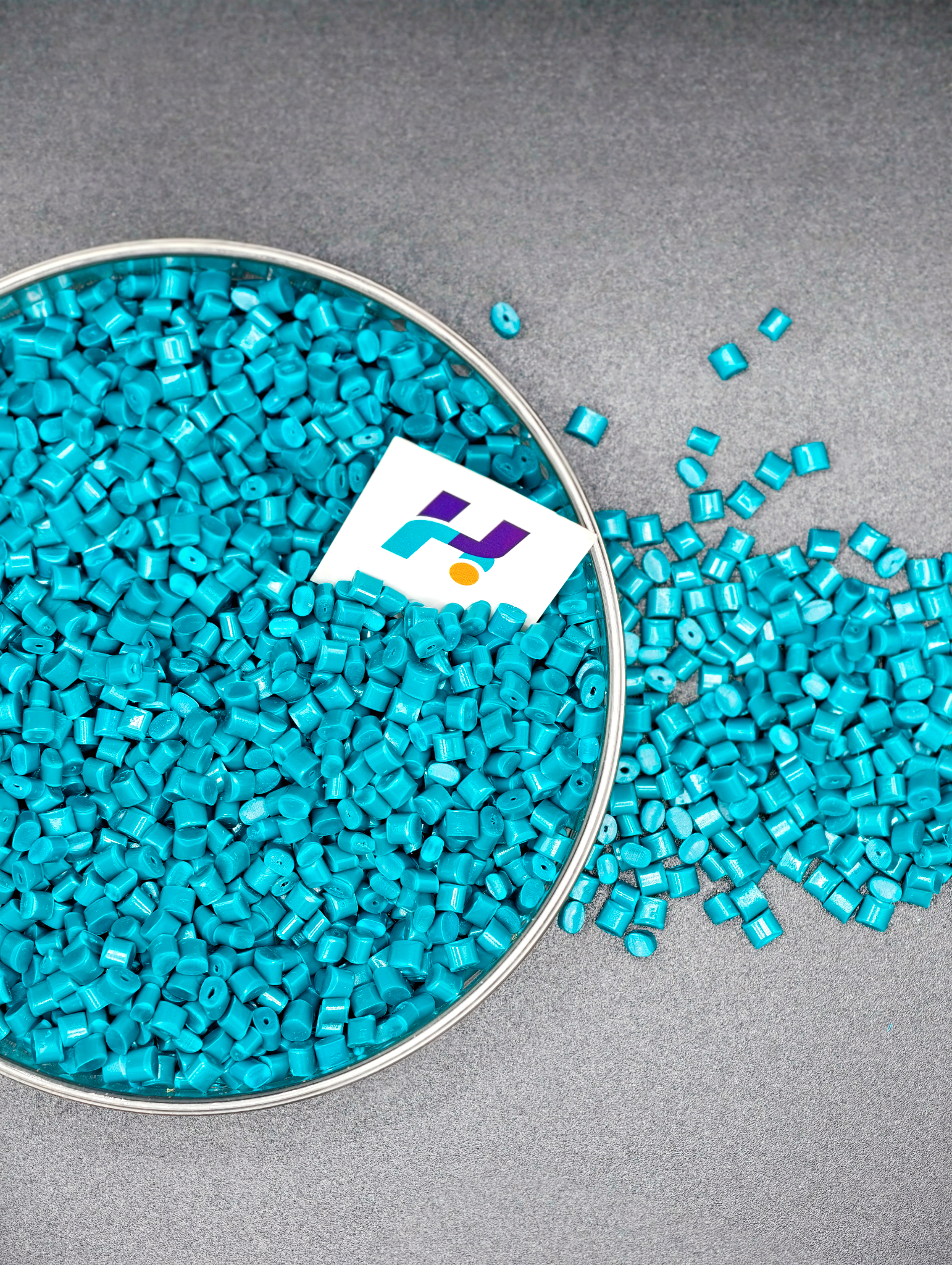
If you’re choosing between ABS glass-fiber levels, don’t start from “higher is better.”
Start from what you’re trying to prevent: flex, creep, hot-soak deformation, or warpage risk.
Fast Selection
-
Choose ABS GF15 when you want a balanced upgrade: higher rigidity + improved heat stability, while keeping molding and surface behavior relatively friendly.
Best for: general structural trim, medium-load brackets, frames that still need decent appearance. -
Choose ABS GF20 when your part starts to show deflection / gap drift / NVH issues, but you still want a controlled warpage and appearance compromise.
Best for: carriers, longer parts with higher stiffness demand, parts with tighter fit stacks. -
Choose ABS GF30 when the part must behave like a structural component: minimum flex, better long-term dimensional hold, improved creep resistance—at the cost of higher anisotropy risk and more fiber signature.
Best for: structural brackets, carriers, reinforcement backbones, frames where stiffness is the dominant KPI.
Comparison Table
| Item | ABS GF15 | ABS GF20 | ABS GF30 |
|---|---|---|---|
| Stiffness / Rigidity | High | Higher | Very High |
| Heat deformation resistance | Improved | More improved | Highest (within ABS family) |
| Creep resistance (long-term load) | Improved | Better | Best |
| Warpage risk (directional shrink) | Medium | Medium–High | Higher |
| Surface fiber signature | Medium | Medium–High | Higher |
| Process window tolerance | Wider | Medium | More sensitive |
| Typical best-fit parts | trim frames, medium brackets | carriers, tighter assemblies | structural brackets, reinforcement |
Practical rule: If your part is failing due to flex or long-term creep, moving up from GF15 → GF20/30 usually helps.
If your part is failing due to warpage or appearance, jumping to GF30 without gate/cooling strategy can make things worse.
Engineering Notes
1) Fiber content changes the “shrink behavior,” not just the strength
Higher GF increases stiffness, but also increases anisotropy (different shrink in flow vs transverse).
That means gate location + fiber orientation + cooling balance matter more as you go from GF15 → GF30.
2) Impact vs stiffness is a trade-off you can manage (OEM tuning helps)
Higher GF levels can reduce toughness in some geometries (ribs/bosses/weld lines).
If your part needs stiffness and tough snap features, we can propose:
-
impact-modified GF grades, or
-
shrink-balance + weld-line strength focus formulation routes.
3) Surface requirement should drive the “upper limit” of GF
If your part is appearance-first (visible Class-A, high gloss), GF15/GF20 is often easier.
GF30 can still work, but typically needs texture/paint strategy or surface-optimized formulation.
Recommended Use Cases
ABS GF15
-
Automotive sunroof brackets (general)

-
C-pillar trim structures (when appearance is still important)
-
Piano key skeleton frames (balanced stiffness + stability)
ABS GF20
-
Reinforced carriers and frames with tighter fit requirements
-
Longer parts that show slight “gap drift” after heat cycle
-
Parts needing higher stiffness while controlling warpage risk
ABS GF30
-
Structural brackets, reinforcement backbones, carriers

-
Parts where “no flex” is the requirement
-
Designs sensitive to creep / long-term load
-
Comparison Table
Category ABS GF15 ABS GF20 ABS GF30 Stiffness / Rigidity High Higher Very High Heat deformation resistance Improved More improved Highest (within ABS GF family) Creep resistance (long-term load) Improved Better Best Warpage risk (directional shrink) Medium Medium–High Higher Surface fiber signature Medium Medium–High Higher Process window tolerance Wider Medium More sensitive Best-fit part types trim frames, medium brackets carriers, tighter assemblies structural brackets, reinforcement backbones Practical note: If your current problem is flex / long-term drift, moving from GF15 → GF20/30 usually helps.
If your current problem is warpage or surface, jumping to GF30 without a gate/cooling strategy can make it worse.
What to tell us (so we recommend the right GF level fast)
Send any 2–3 items below and we can propose the best GF level + grade route:
-
Wall thickness range + length/flow direction
-
Biggest failure mode: warpage / flex / creep / heat sag / weld-line cracks
-
Surface requirement: matte/texture/paint vs visible gloss
-
Gate constraints or existing mold gate location