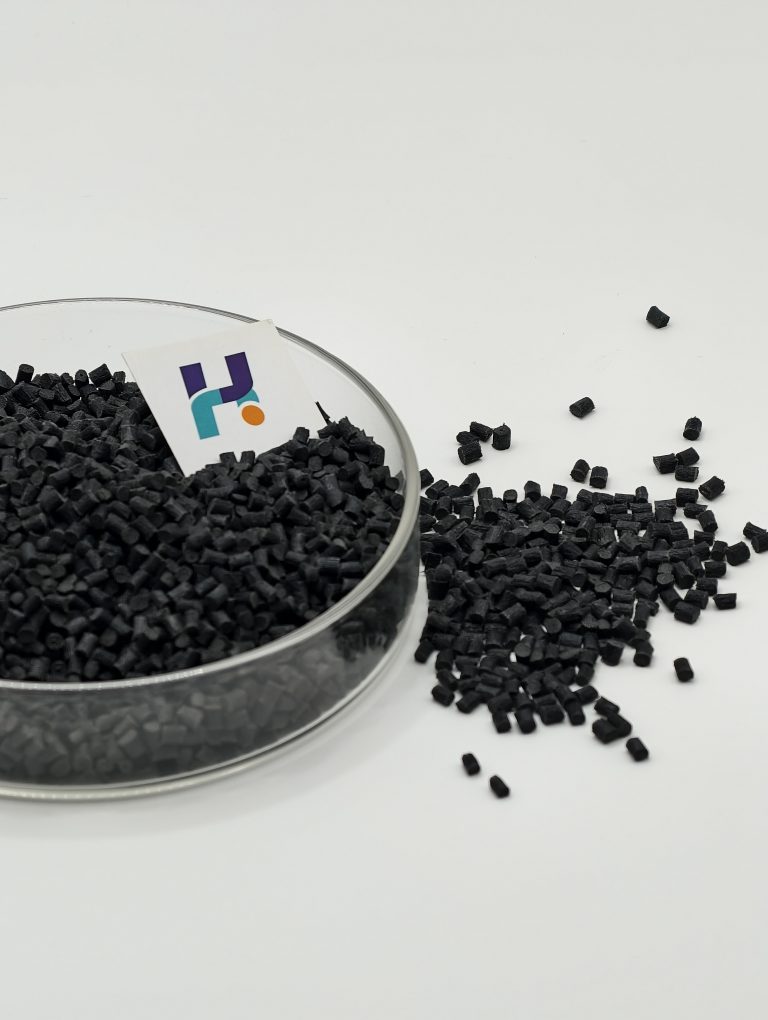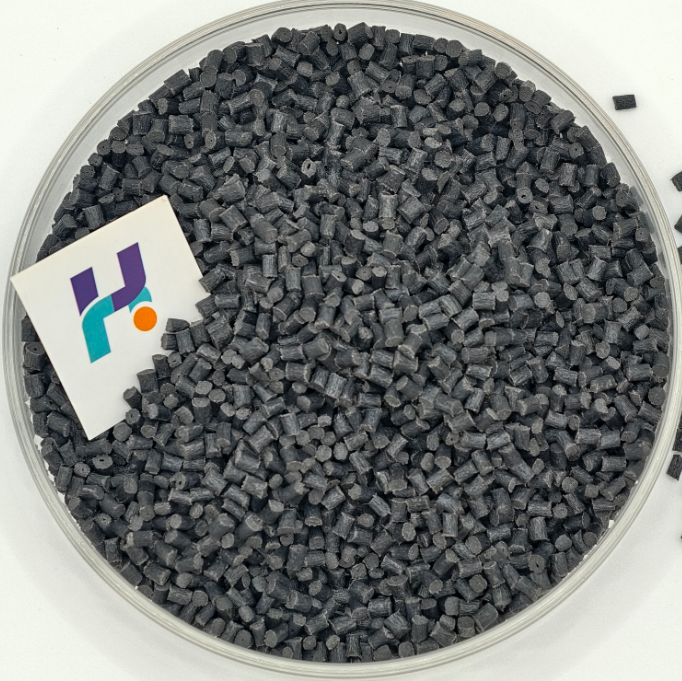
YongJinHong POM GF20 Exists (Engineering Positioning)
POM GF20 is selected when GF15 begins to show time-dependent deformation, especially under continuous load or elevated service temperatures. While GF15 focuses on moderate stiffness correction, GF20 shifts the material into a true structural-reliability zone.
Compared with POM GF15, GF20 prioritizes:
-
Long-term shape retention
-
Higher flexural rigidity
-
Reduced creep under sustained stress
GF20 is the point where POM moves from “reinforced” to “structurally dependable.”
Material Composition & Reinforcement Strategy
Material Overview
-
Base Polymer: Polyoxymethylene (POM / Acetal)
-
Glass Fiber Content: 20%
-
Reinforcement Type: Short glass fiber
-
Optional Additives:
-
Heat stabilizers
-
Processing lubricants
-
Impact modifiers
-
UV stabilizers
-
-
Color Options: Natural, black, customized
This formulation targets load endurance, not entry-level stiffness tuning.
Core Performance Advantages
Engineering Advantages
Significantly Improved Load Stability
Holds shape under continuous mechanical stress better than GF15.
Reduced Long-Term Creep
Designed for components that must retain geometry over extended service life.
Higher Flexural Modulus
Provides stronger resistance to bending and torsional deformation.
Low Moisture Sensitivity
Dimensional accuracy remains stable across humidity changes.
Chemical Resistance
Maintains POM’s resistance to oils, fuels, solvents, and cleaning agents.
Manufacturing & Production Advantages
Predictable Structural Behavior
More consistent mechanical response across production batches.
Acceptable Processing Window
More demanding than GF15, but still manageable in standard POM tooling.
Controlled Anisotropy
Fiber orientation effects are stronger than GF15 but remain engineer-friendly.
Designed for Long-Term Production
Ideal for serial manufacturing of load-bearing components.
Typical Application Areas
Automotive Applications
-
Structural mounting brackets
-
Load-bearing interior mechanisms
-
Precision carriers under sustained stress
Industrial Equipment
-
Structural frames
-
Support elements under constant load
-
Precision housings with load retention requirements
Electrical & Mechanical Assemblies
-
Structural components near heat sources
-
Parts requiring stable alignment over time
|
|
|
|


Processing Guidelines (Injection Molding)
Typical Processing Parameters
-
Melt Temperature: 195–220 °C
-
Mold Temperature: 80–110 °C
-
Drying: 80 °C for 2–4 hours
-
Injection Speed: Medium
-
Shrinkage: ~1.4–1.8% (directional)
Gate positioning should align with primary load directions whenever possible.
OEM / Customization Capabilities
Customization Options
-
Heat-stabilized grades for elevated temperature use
-
Impact-balanced formulations
-
Enhanced creep-resistant versions
-
Color customization
OEM Support
-
GF15 vs GF20 vs GF25 selection guidance
-
Load & creep performance evaluation
-
Prototype sampling and validation
-
Long-term supply consistency
Typical Technical Data (Reference Values)
| Property | Test Standard | Typical Value |
|---|---|---|
| Density | ISO 1183 | 1.47–1.52 g/cm³ |
| Tensile Strength | ISO 527 | 70–90 MPa |
| Flexural Strength | ISO 178 | 105–130 MPa |
| Flexural Modulus | ISO 178 | 4,500–5,800 MPa |
| Notched Izod Impact | ISO 180 | 3.5–6 kJ/m² |
| Heat Deflection Temp. | ISO 75 | 160–175 °C |
| Moisture Absorption | — | Very Low |
FAQ
Q1: When should POM GF20 be selected instead of GF15?
When the part is under continuous load and GF15 shows time-dependent deformation.
Q2: How does GF20 differ from GF25?
GF20 balances stiffness and processability, while GF25 prioritizes maximum rigidity.
Q3: Is POM GF20 suitable for moving parts?
Yes, for lightly moving components where structural stability is critical.
Q4: Does GF20 significantly increase mold wear?
Moderately more than GF15, but still manageable with standard tooling practices.
Q5: Can POM GF20 replace metal in some structures?
Yes, in moderate-load applications where weight reduction and corrosion resistance are needed.