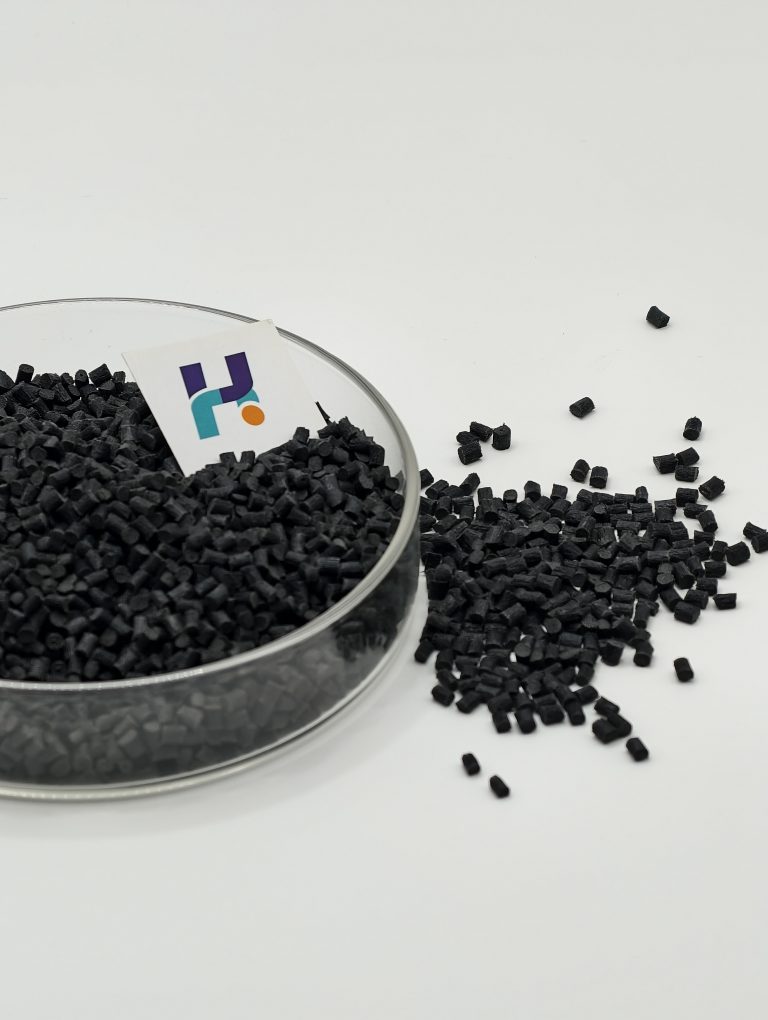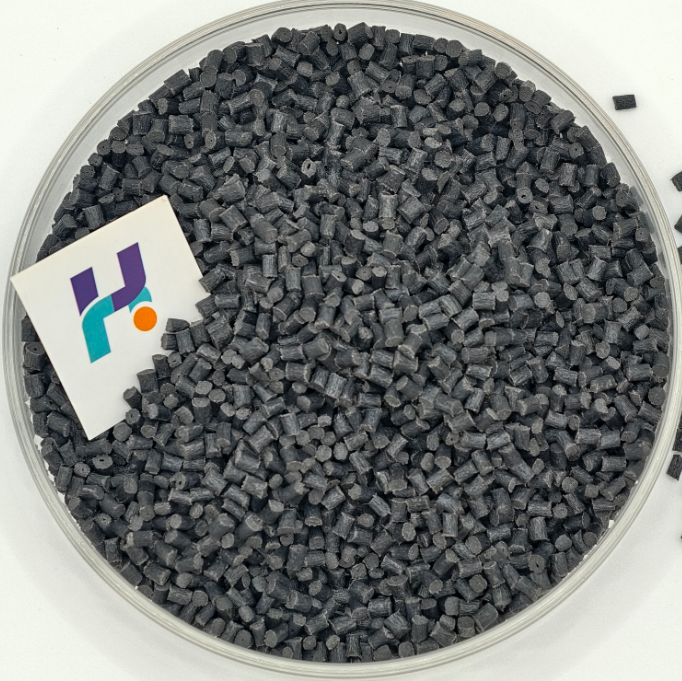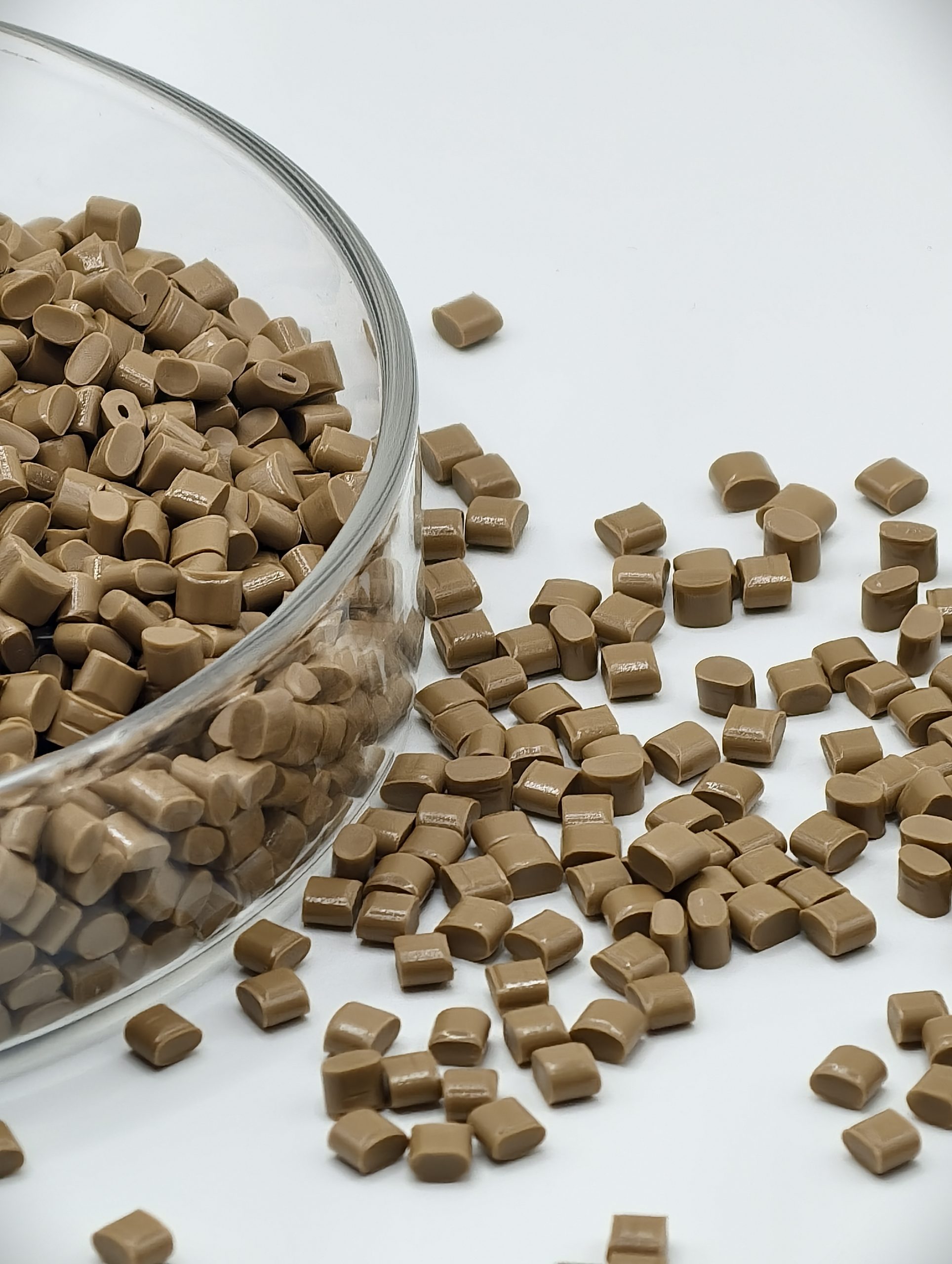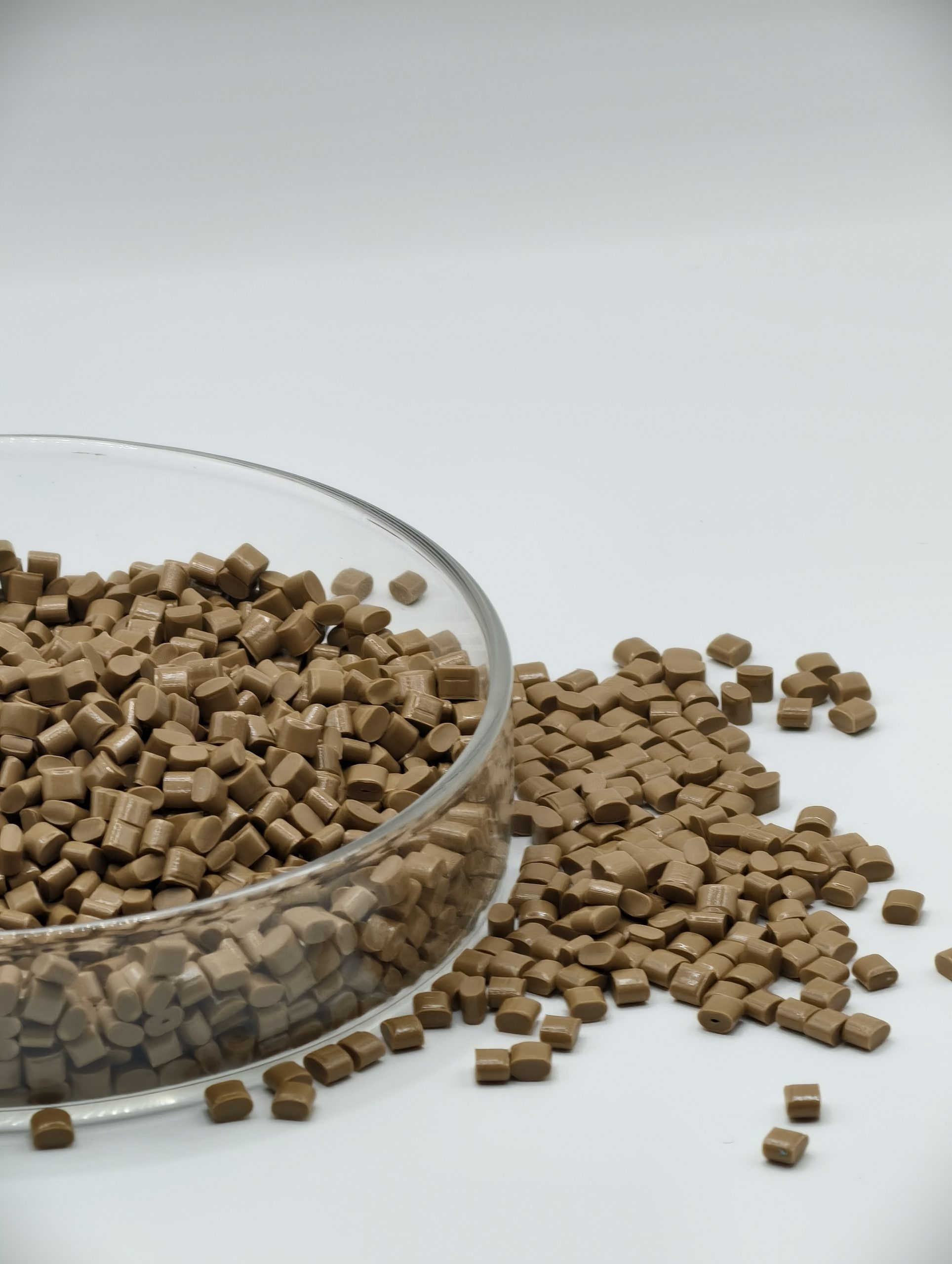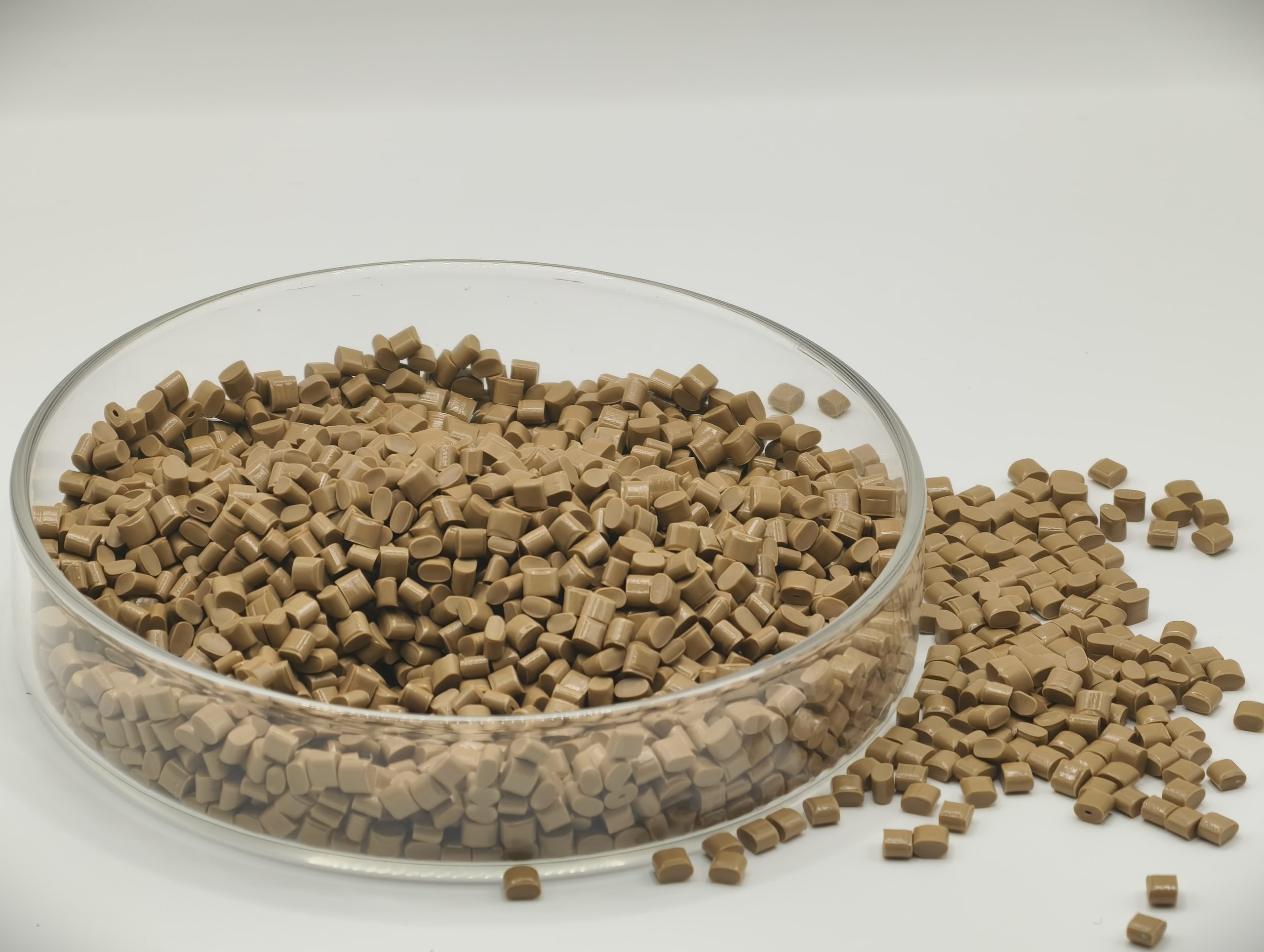
Impact-modified Nylon 6 pellets for binding parts that must stay tough in the cold, resist cracking, and keep a reliable feel season after season.
Ski bindings are not “plastic parts.” They’re safety-critical mechanisms that take real punishment: cold weather, sudden impacts, repeated stepping-in and release cycles, vibration, and occasional drops on hard snow/ice. The failure mode that scares every brand and factory is simple:
brittle cracking at low temperature—often at a weld line, a boss, or a sharp corner that looked fine in the prototype.
That’s why toughened PA6 exists: to keep parts ductile when it’s cold and keep performance stable when the loads are unpredictable.
This page is written in two layers:
-
A) Engineering (cold impact, fatigue, stress points, process controls)
-
B) Marketing (clear value, fast spec checklist, OEM options)
What Toughened PA6 Is
Toughened PA6 is Nylon 6 modified with impact modifiers (and optional stabilizers) to increase ductility and shock resistance—especially at low temperatures.
YONGJINHONG PA6 is widely used in sports mechanisms
-
good inherent toughness and energy absorption potential
-
strong balance of strength-to-weight
-
reliable injection molding behavior for complex functional geometry
-
good performance when engineered with the right modifiers and stabilization
What “toughened” changes for you
-
higher impact strength (especially in cold)
-
improved resistance to brittle crack propagation
-
better tolerance to stress concentrators and assembly abuse
-
more robust performance at weld lines (grade-dependent)
Core Selling Points
1) High impact strength, including low-temperature impact
Engineering: impact modification keeps the polymer more ductile under cold shock loads.
Buyer value: fewer field cracks, fewer warranty headaches, higher safety confidence.
2) Fatigue resistance for repeated cycles
Engineering: toughened matrix resists crack initiation and growth under cyclic stresses.
Buyer value: stable performance through seasons of use.
3) Better tolerance to real-world abuse (drops, mis-steps, torque)
Engineering: increased energy absorption reduces sudden brittle failures at ribs, bosses, and edges.
Buyer value: fewer assembly breaks, fewer “mystery cracks” after shipment.
4) Stable molding for functional geometry
Engineering: controlled flow and stabilizer packages support repeatable dimensions.
Buyer value: more stable mass production, less parameter chasing.
Typical Ski Binding Components 
-
toe/heel housing structures (non-metal load paths depending on design)
-
levers, latch arms, adjustment features
-
baseplates and structural frames (application-dependent)
-
covers that still take impact and cold exposure
-
functional brackets and retainers
If the part is a high-load structural element, we can also evaluate reinforced grades (PA6 GF + toughening) depending on stiffness needs. For many binding parts, pure toughened PA6 is the “crack-prevention first” solution.
Performance Target Map
Actual values depend on formulation, color, and test standards.
| Requirement (bindings) | Standard PA6 | Toughened PA6 (This Grade) | Why it matters |
|---|---|---|---|
| Low-temp impact | Medium | High | prevents brittle cracks |
| Room-temp impact | Good | Higher | assembly and drop resistance |
| Fatigue durability | Good | Better | repeated cycles |
| Dimensional stability | Medium | Medium–Good | fit and feel consistency |
| Wear/friction potential | Grade-dependent | Tunable | moving interfaces |
| Outdoor aging (UV) | Grade-dependent | Tunable | seasonal durability |
Engineering Notes That Decide Binding Reliability
A) Cold-impact is about geometry + weld lines + material
Even the best toughened resin can fail if:
-
sharp corners concentrate stress
-
weld lines sit at high-stress zones
-
gate placement forces weak knit lines at latch roots
A grade optimized for weld-line toughness + smart gating is often the difference between “passes once” and “survives seasons.”
B) Moisture conditioning (PA6 reality)
PA6 absorbs moisture, which can change stiffness and toughness slightly. For bindings:
-
define “as-molded vs conditioned” measurement logic
-
keep dimensional-critical interfaces tolerant to equilibrium moisture
-
manage storage/packaging if you require stable assembly fit at shipment
C) Wear & friction where parts move
If your design has sliding or rotating contact:
-
consider a wear/low-friction package (project-dependent)
-
define the mating material (metal pin? PA? POM?) to avoid squeak and galling
-
surface finish and local reinforcement matter as much as resin choice
Processing Notes
Toughened PA6 needs stable drying and melt history.
Practical starting points:
-
Drying: required (protects appearance, flow stability, and mechanical performance)
-
Melt temperature: stay within a controlled PA6 window; avoid overheating
-
Mold temperature: stable to improve surface consistency and properties
-
Injection speed: medium-to-high to reduce hesitation and improve knit-line quality
-
Venting: critical to avoid burn marks and weak weld areas
QC checks that reduce surprises:
-
low-temp impact checks (project-defined)
-
weld-line strength focus on latch roots/boss areas
-
dimensional checks on interfaces and adjustment features
-
lot stability tracking (MFR + key mechanical indicators)
OEM Customization Options
For ski bindings, the most relevant OEM options are:
-
Cold-impact tuning (define target temperature scenario)
-
Weld-line toughness focus (for latch roots, boss zones)
-
UV/weathering stabilization (outdoor durability)
-
Wear / low-friction package (moving interfaces)
-
Color matching (high color consistency for brand parts)
-
Stiffness upgrade option (toughened + reinforcement route if needed)
Product Details
| Item | Description |
|---|---|
| Product name | Toughened PA6 for Ski Bindings |
| Material type | Impact-modified Nylon 6 |
| Form | Pellets for injection molding |
| Core strengths | low-temp impact toughness, fatigue durability, stable molding |
| Optional focus | cold-impact tuning, wear/friction, UV/weathering, color control |
| Typical uses | binding housings, levers, latch arms, baseplates (design-dependent) |
| Supply model | standard grade + OEM custom compounding |
What you should provide
No sensitive brand info needed—just engineering facts:
-
component type (toe housing, lever, latch arm, baseplate, cover)
-
target low-temperature scenario (typical min operating temperature)
-
wall thickness and stress zones (snap roots, bosses, ribs)
-
main failure mode (brittle crack, weld-line failure, wear, squeak)
-
appearance requirement (color/texture) and UV exposure level
-
mating materials at moving interfaces (metal pin, etc.)
If you only provide a part photo + min temperature + failure mode, that’s enough to start.