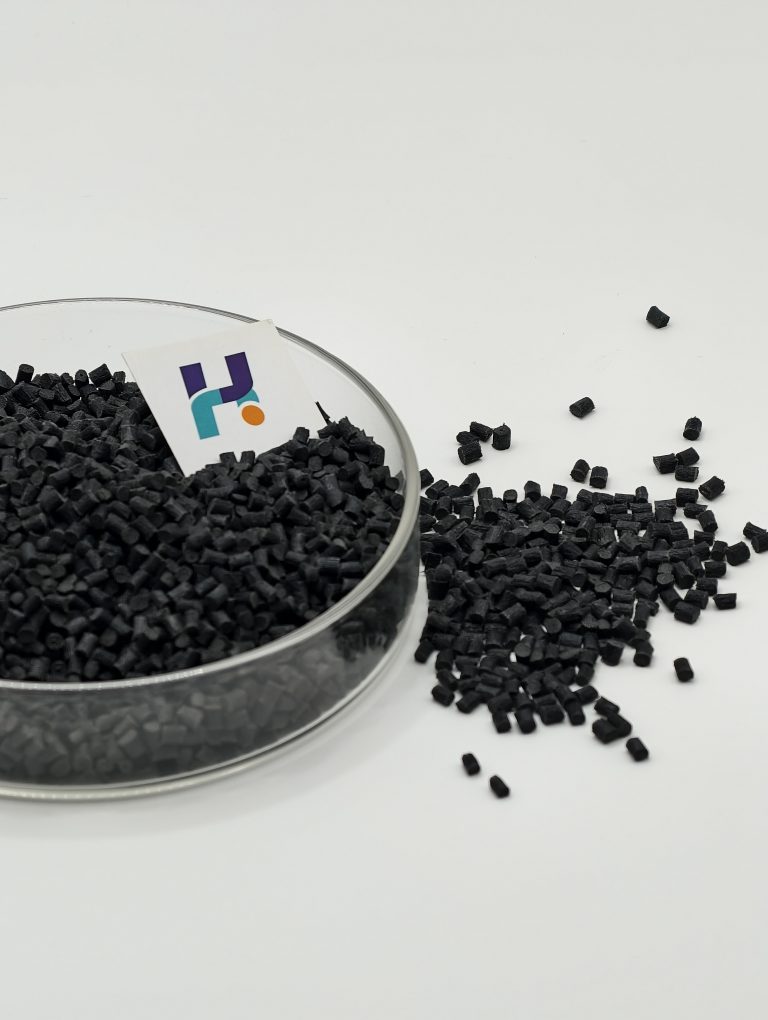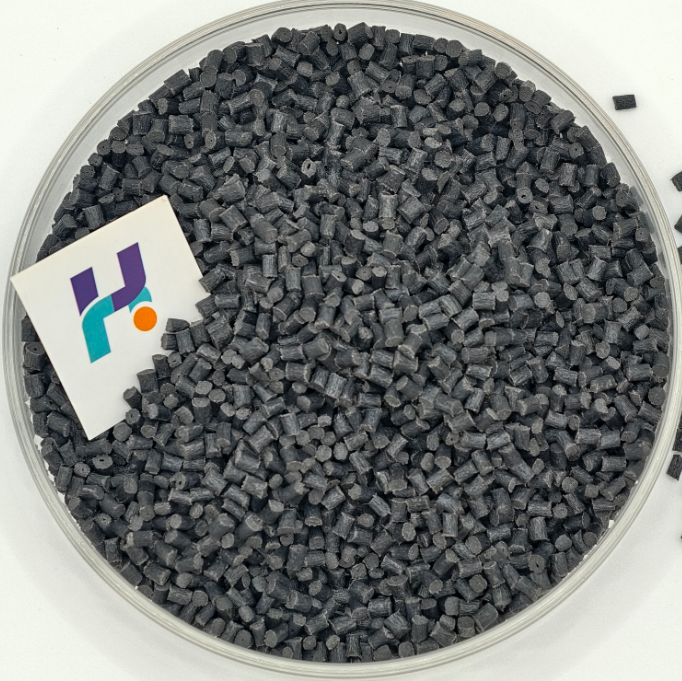
MCBs & Relays Need Flame Retardant PA66
MCB and relay housings face combined thermal, electrical, and mechanical stress:
-
Electrical arcing during switching
-
Localized heat buildup at terminals

-
Tight internal clearances
-
Long-term energized operation
-
Strict fire safety regulations
-
Compact, thin-wall designs
Standard plastics fail under sustained heat, while commodity FR plastics lack mechanical robustness.
Flame retardant PA66 is chosen because safety, heat resistance, and structural reliability must coexist.
In electrical housings, failure is rarely cosmetic —
it is thermal deformation, insulation breakdown, or fire risk.
Functional Requirements of MCB & Relay Housings
Critical Material Demands
-
UL94 V-0 flame retardancy
-
High heat deflection temperature

-
Electrical insulation reliability
-
Dimensional stability under heat
-
Thin-wall moldability
-
Long-term aging resistance
Flame retardant PA66 is engineered for electrical safety first, not appearance or cost alone.
YONGJINHONG Flame Retardant PA66 Is Preferred Over Other Plastics
Engineering Advantages
Certified Flame Retardancy (UL94 V-0)
Self-extinguishing behavior limits flame spread during electrical faults.
Excellent Heat Resistance
Maintains mechanical strength and shape near energized components.
High Mechanical Integrity
Resists cracking, creep, and deformation in thin-wall designs.
Stable Electrical Insulation
Supports consistent dielectric performance over long service life.
Compatibility with Precision Molding
Allows tight tolerances required for relay and breaker assemblies.
Typical Flame Retardant Systems Used in PA66
Common systems include:
-
Halogen-free phosphorus-based FR → Low smoke, regulatory compliance

-
Glass-fiber-reinforced FR PA66 → Structural + fire safety (where needed)
-
Optimized thin-wall FR systems → V-0 at reduced thickness
Selection depends on wall thickness, thermal load, and regulatory requirements.
Recommended FR PA66 Grades for Electrical Components
| Component | Recommended FR PA66 | Engineering Reason |
|---|---|---|
| MCB outer housing | FR PA66 (UL94 V-0) | Fire containment + heat resistance |
| Relay housing | FR PA66 | Dimensional stability + insulation |
| Terminal carrier | FR PA66 (V-0 thin wall) | Heat & arc resistance |
| Internal support frames | FR PA66 / FR PA66 GF | Structural rigidity |
⚠️ Over-reinforcement increases brittleness without improving fire safety.
Material Selection Logic for Electrical Housings
Step 1 — Is flame retardancy mandatory?
-
Yes → FR PA66

-
No → Evaluate standard PA66
Step 2 — Is heat exposure continuous?
-
Yes → FR PA66
-
No → Evaluate FR PP / FR ABS
Step 3 — Are thin walls required?
-
Yes → FR PA66 (thin-wall grade)
-
No → Standard FR PA66
Processing Considerations for FR PA66 Injection Molding
Processing Focus Points
-
Proper drying to avoid hydrolysis
-
Controlled melt temperature to preserve FR system
-
Balanced flow for thin-wall filling
-
Stable cooling to prevent warpage
Typical Processing Range
-
Melt temperature: 270–300 °C
-
Mold temperature: 80–120 °C
-
Drying: 80–90 °C / 4–6 hours
-
Shrinkage: 0.8–1.2%
FR PA66 vs Alternative Materials for MCB & Relays
| Material | Flame Rating | Heat Resistance | Mechanical Strength | Reliability |
|---|---|---|---|---|
| FR PA66 | UL94 V-0 | Excellent | Excellent | ★★★★★ |
| FR PP | UL94 V-0 | Moderate | Moderate | ★★★ |
| FR ABS | UL94 V-0 | Moderate | Moderate | ★★★ |
| FR PBT | UL94 V-0 | Good | Good | ★★★★ |
For safety-critical electrical housings, thermal and mechanical reliability outweigh cost savings.