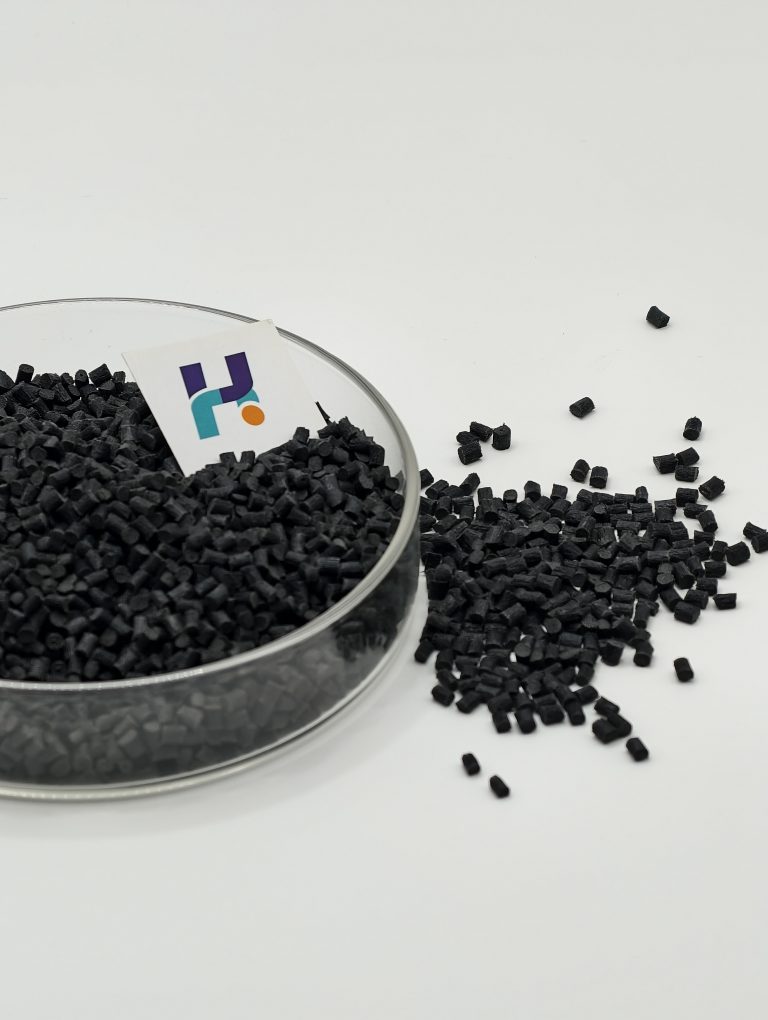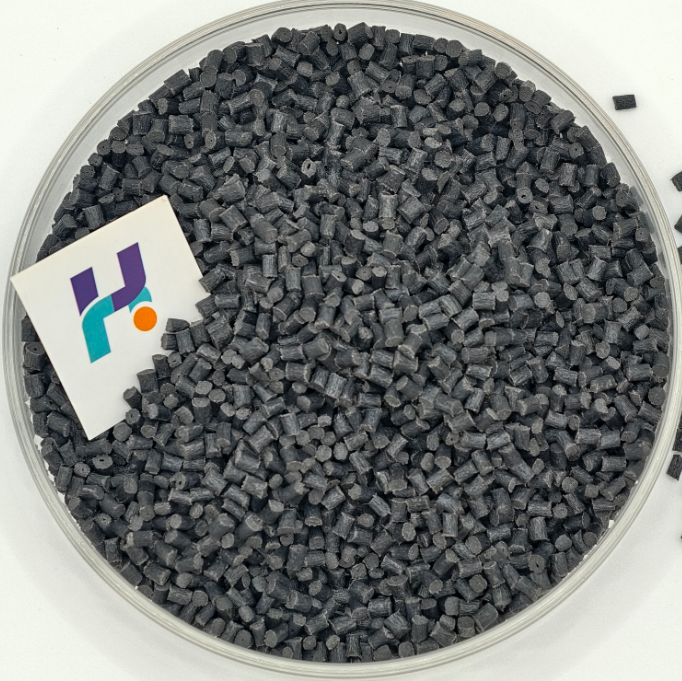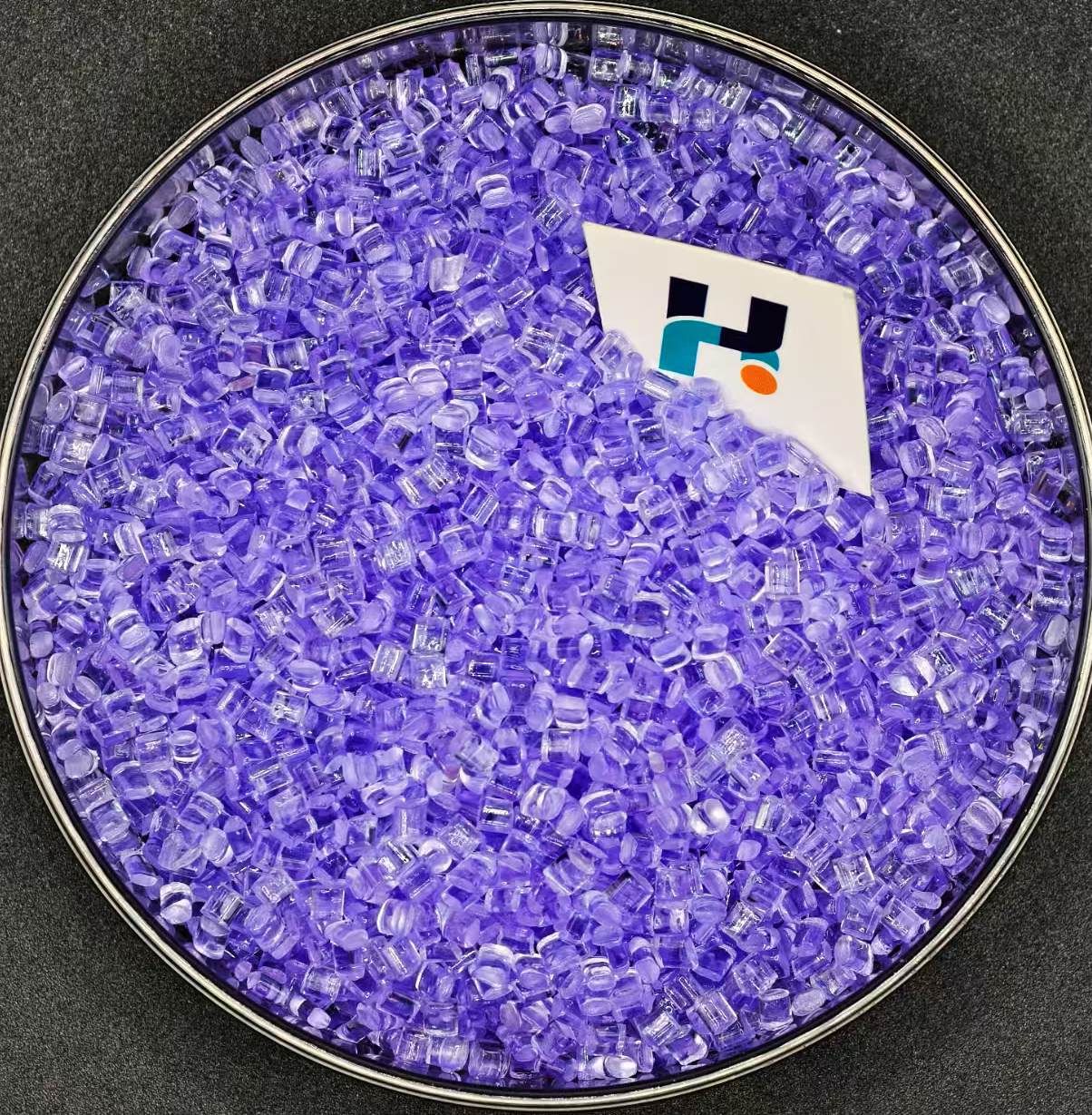
Glass Fiber Reinforced PA6 – PA6 GF30
30% Glass Fiber Reinforced Nylon 6 for Structural & Functional Applications

PA6 GF30 combines the toughness and impact performance of Polyamide 6 with the increased rigidity and dimensional stability provided by 30% glass fiber reinforcement. This grade delivers high mechanical strength, thermal resistance, low creep, and reliable processability, making it ideal for load-bearing, functional, and precision parts in various industries.
Material Composition & Reinforcement Structure
Glass fiber reinforcement creates a rigid internal skeleton that helps resist deformation, improve stiffness, and stabilize mechanical performance under load.
Material Composition Overview
-
Base Polymer: Polyamide 6 (PA6 / Nylon 6)
-
Glass Fiber Content: 30% by weight
-
Fiber Type: E-glass chopped fibers
-
Optional Additives:
-
Heat stabilizers
-
Impact modifiers
-
Flame retardant (UL94 V2 / V0)
-
UV stabilizers
-
-
Color Options: Natural, black or customized
Core Advantages for SEM & Engineering Customers
Mechanical & Structural Advantages
-
High Tensile & Flexural Strength
Strong load-bearing capacity for functional components. -
Improved Rigidity & Modulus
Enhanced structural stiffness compared to lower fiber grades. -
Dimensional Stability
Reduced shrinkage & warp during service life. -
Creep Resistance
Stable under long-term load and elevated temperature.
Thermal & Functional Advantages
-
Elevated Heat Resistance
Performs well under high heat environments in automotive and electrical assemblies. -
Impact Durability
Balanced toughness for dynamic loads and vibration. -
Processing Reliability
Maintains stable processing windows with good mold filling performance.
Commercial Advantages
-
OEM-friendly engineering material
-
Cost-performance balance
-
Compatibility with automated production
-
Good part-to-part consistency
Typical Application Fields
A. Automotive
-
Structural Interior Components
Seat frames, supports, structural brackets -
Under-the-Hood Functional Parts
Engine compartment supports, clips -
Functional Mounts & Fixings
Load-bearing connectors & attachment brackets
B. Electrical & Electronics
-
Electrical Housings & Enclosures
Power distribution housings, relay & connector shells -
Structural Electronic Supports
Internal mounts, support frames -
Insulated Terminal Blocks
Stable dielectric under load
C. Industrial Machinery
-
Machine Frames & Covers
Load-bearing panels -
Functional Mechanical Components
Gears, supports, brackets -
Rolling & Guide Systems
Wear-resistant parts
D. Consumer & Commercial Equipment
-
Appliance Structural Parts
Internal supports for heavy appliances -
Outdoor Functional Fixtures
UV-stabilized parts with reinforcement
Processing & Injection Molding Guidelines
PA6 GF30 requires controlled processing to ensure consistent mechanical properties:
Typical Processing Conditions
-
Drying: 80–90°C for 4–6 hours (critical for Nylon 6)
-
Melt Temperature: 260–290°C
-
Mold Temperature: 70–90°C
-
Injection Speed: Medium to high
-
Screw Back Pressure: Moderate
-
Recommended Gate Type: Fan gate or edge gate for balanced flow
Notes:
-
Strict drying is essential to prevent moisture-induced defects
-
Balanced wall thickness improves structural integrity
Technical Specification – PA6 GF30
| Property | Test Standard | Typical Value |
|---|---|---|
| Density | ISO 1183 | 1.40–1.45 g/cm³ |
| Tensile Strength | ISO 527 | 120–150 MPa |
| Flexural Strength | ISO 178 | 180–210 MPa |
| Flexural Modulus | ISO 178 | 8,000–11,000 MPa |
| Notched Izod Impact | ISO 180 | 6–9 kJ/m² |
| Heat Deflection Temp. | ISO 75 | 240–260°C |
OEM Customization Capabilities
PA6 GF30 supports a wide range of customization services:
Customization Options
-
Flame retardant grades (UL94 V2 / V0)
-
UV-stabilized versions
-
Color & aesthetic grades
-
Heat aging stabilized formulations
-
High-flow or low-shrink variants
Support Services
-
Material selection consultation
-
Prototype sampling & testing
-
Injection molding parameter optimization
-
Long-term supply consistency
FAQ
Q1: How does PA6 GF30 compare to unfilled PA6?
PA6 GF30 provides significantly higher stiffness, strength, dimensional control, and thermal tolerance compared to unfilled PA6.
Q2: Can PA6 GF30 be flame-retardant?
Yes. PA6 GF30 can be formulated with flame retardant additives to achieve UL94 V2 or V0 ratings.
Q3: What are typical applications in automotive?
Used for interior structural supports, functional mounts, and under-hood components where mechanical strength and temperature resistance are required.
Q4: Is pre-drying necessary before molding?
Yes — proper drying is essential to obtain optimal mechanical performance and surface quality.
Q5: How does glass fiber affect surface quality?
Glass fiber improves mechanical properties but may slightly increase surface texture; mold design and flow control help optimize appearance.