Product Introduction:
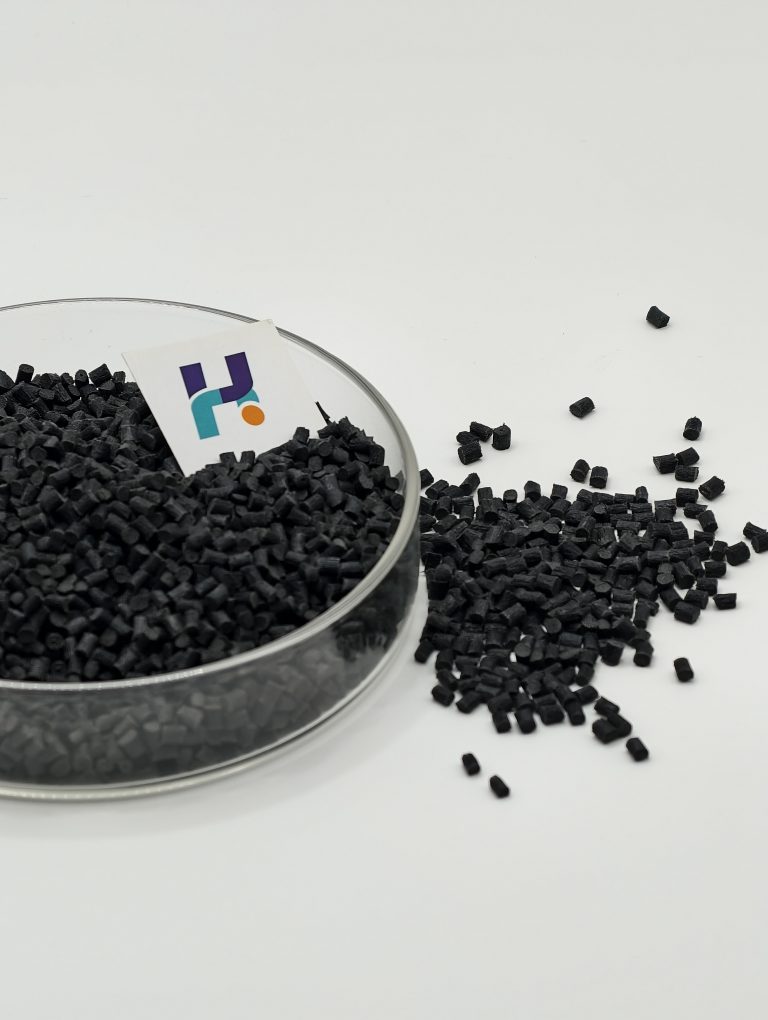
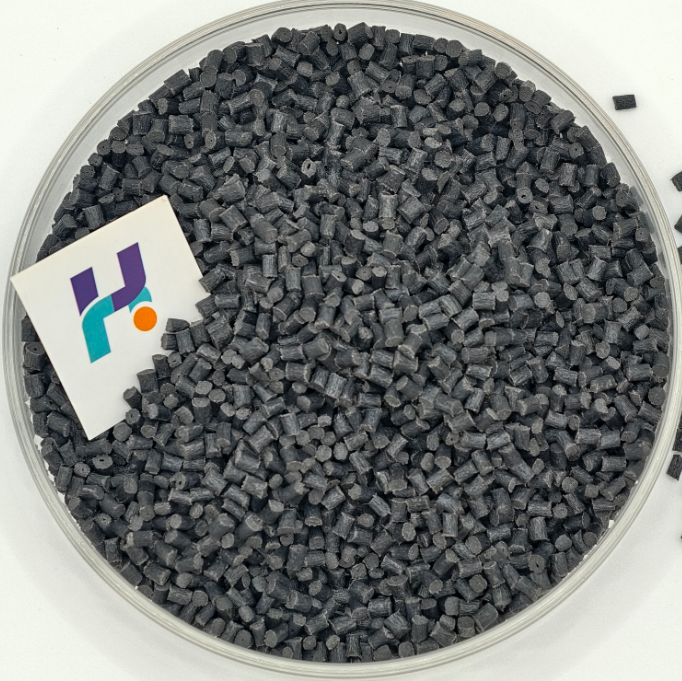
PBT-FRGF represents the pinnacle of safety engineering in thermoplastics, specifically formulated to address the most demanding requirements in electrical and electronic applications. This halogen-free compound achieves UL94 V0 certification while maintaining the excellent mechanical properties inherent in glass-reinforced PBT. The material’s exceptional heat resistance ensures reliable performance in elevated temperature environments, while its superior electrical insulation properties make it ideal for high-voltage applications. With low warpage characteristics and excellent dimensional stability, PBT-FRGF enables the production of precision components that maintain their integrity under thermal and mechanical stress. The material’s chemical resistance further enhances its durability in challenging operating conditions. From automotive electrical systems to industrial equipment and consumer products, PBT-FRGF delivers the perfect combination of safety, performance, and processing efficiency.
Product Attributes:
Key Properties: Excellent Flame Retardancy (UL94 V0), Enhanced Mechanical Strength, High Heat Resistance, Superior Electrical Insulation, Low Warpage, Chemical Resistance
Flame Retardant Standards: UL94 V0, Halogen-Free
Packaging:
Standard: 25 kg/bag with moisture-proof sealing
Custom: Bulk packaging up to 750 kg
Technical Documentation:
Material Data Sheet (MDS): Available upon request with detailed flammability test reports and electrical performance data
Processing Guide: Specialized manual covering flame retardant additive handling, injection molding parameters, and safety precautions
Samples & Certification: Free samples available with UL certification documentation
Lead Time: 7-14 working days, depending on flame retardant grade customization
Certifications & Compliance: Halogen-Free, RoHS compliant
Frequently Asked Questions (FAQ):
Q: What makes PBT-FRGF suitable for high-voltage applications?
A: PBT-FRGF offers excellent electrical insulation properties combined with high CTI (Comparative Tracking Index) values, making it ideal for high-voltage applications. The material’s flame retardant properties and thermal stability ensure safe and reliable performance even in demanding electrical environments such as charging systems and power distribution components.
Q: How does PBT compare to PET in terms of performance?
A: While both are thermoplastic polyesters, PBT offers better impact resistance, higher heat resistance, and easier processability compared to PET. PBT’s lower glass transition temperature provides better flexibility at lower temperatures, making it more suitable for applications requiring toughness and thermal stability. PET generally has higher tensile strength and rigidity but is less suitable for applications requiring impact resistance and heat stability.
Q: Is this material suitable for automotive electrical components?
A: Absolutely. PBT-FRGF’s combination of flame retardancy, heat resistance, and excellent electrical properties makes it ideal for automotive electrical applications, particularly in new energy vehicles where components like charging gun housings and relay systems require certified flame retardancy and reliable performance in high-temperature environments.