Design Engineer: “We’ve had three component failures in the last quarter—too much flex in the material. The board wants higher strength without raising the cost. What’s the alternative to pure nylon or PC?”
Materials Specialist: “You might want to look into Modified Plastic Alloys. They blend base resins like ABS, PP, or PC with reinforcement agents for targeted improvements—think strength, heat resistance, and chemical durability.”
Purchasing Lead: “Is it stable enough for outdoor enclosures and electronic housings?”
Engineer: “Absolutely—there are grades tailored for UV, flame-retardant, and even EMI shielding. The key is selecting the right alloy mix for the job. Let’s walk through the most promising applications.”
What Are Modified Plastic Alloys?
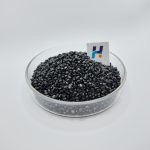
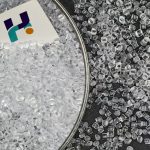
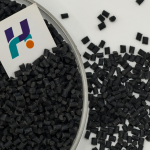
Modified Plastic Alloys are advanced engineered thermoplastics created by combining two or more polymer matrices or by integrating reinforcing additives such as glass fiber, rubber particles, or flame retardants. This intelligent modification allows for tailor-made material properties that go far beyond what traditional single-resin plastics can offer.
These plastic alloys are not just a blend—they are a precisely controlled formulation designed to meet the complex demands of high-performance industries like automotive, electronics, appliances, construction, and even medical devices.
Let’s break down the core advantages of Modified Plastic Alloys:

1. 💥 Impact Resistance
By incorporating elastomeric phases or rubber particles, these materials absorb and dissipate external energy more efficiently than conventional polymers. This makes them ideal for automotive bumpers, helmet shells, or tool housings where drop resistance is critical.
2. 📐 Dimensional Stability
Modified plastic alloys exhibit low shrinkage and minimal warpage during processing and over time, even in humid or temperature-fluctuating environments. This is essential for precision components like gears, connectors, and housings in printers or electronics.
3. ☀️ Weatherability
With UV-stabilizers and weather-resistant polymers such as ASA or PC integrated into the blend, these alloys maintain color, gloss, and strength even after prolonged exposure to sun, rain, and fluctuating temperatures. Outdoor enclosures and auto parts benefit significantly.
4. 🧪 Chemical Resistance
By blending chemically inert base polymers like PBT, PA, or PVDF, and adding functional fillers, plastic alloys can resist oils, acids, solvents, and even aggressive cleaning agents—a crucial property in industrial machinery, laboratory tools, or appliance parts.
5. ⚙️ Processing Efficiency
Unlike some engineering plastics that require special processing conditions, many modified plastic alloys are engineered to offer melt flow optimization, better moldability, and faster cycle times—enabling cost-effective mass production with consistent part quality.
Key Materials and Processing Techniques
1. Material Composition
PC/ABS Alloys: Balance strength and processability
PP+GF Alloys: Excellent stiffness-to-weight ratio
PA66/PA6 Blends: Enhanced wear and fatigue performance
PBT/ASA Mixes: UV and chemical resistance for automotive
2. Processing Advantages
Injection molding compatible
Lower cycle times than pure high-performance resins
Easier coloring and painting options
Reduced shrinkage and warpage
⚙️ Performance Advantages Over Common Plastics
| Property | Modified Plastic Alloy | Standard Plastic |
|---|---|---|
| Heat Resistance | 130-250°C | 100-160°C |
| Impact Strength | High (Charpy > 50 kJ/m²) | Medium |
| UV Resistance | Excellent (ASA/PBT) | Poor (ABS/PP) |
| Dimensional Stability | High | Moderate |
| Regulatory Compliance | UL94, RoHS, REACH | Limited |
🧑🔧 Top Industrial Applications of Modified Plastic Alloys
🏎 1. Automotive Sector:Where Durability Meets Design
In the automotive industry, Modified Plastic Alloys are no longer a compromise between cost and performance—they’re a cornerstone of innovation. Whether it’s fuel efficiency, safety, or aesthetic appeal, these materials help manufacturers meet ever-stricter global standards without sacrificing design freedom.
Key Applications:
Bumpers and Grilles: Modified PP with elastomers offers high impact strength and lightweight performance, making it ideal for front and rear impact zones.
Interior Trims: PC/ABS and ASA blends provide UV resistance, scratch resistance, and tactile comfort—perfect for dashboards and pillar trims.
Fuel System Components: Glass fiber-reinforced PA66 (PA66-GF30) is the industry standard for fuel rails and filter housings due to its chemical resistance and dimensional stability.
Under-the-Hood Parts: Components like air intake manifolds, turbo ducting, and engine covers use heat-resistant PA6/PA66 alloys, enabling long-term use under high heat and oil exposure.
Why It Works:
By tailoring mechanical properties such as stiffness, elongation, and thermal aging resistance, automakers gain a material that withstands both mechanical stress and aggressive fluids—without the weight of metals.

2. Electrical & Electronics:Safety Meets Functionality
Modern consumer electronics demand sleek design, lightweight structures, and strict fire safety compliance. Modified Plastic Alloys—especially blends like PC+ABS, PBT+PET, and flame-retardant polyolefins—offer the versatility needed for rapid product innovation.
Key Applications:
Battery Housings & Power Banks: Reinforced ABS or PC+ABS blends resist cracking and thermal deformation.
Laptop and TV Casings: PC+ABS with V0-level flame retardancy ensures safety and aesthetics.
Switchboards & Breakers: Halogen-free flame-retardant modified plastics ensure UL94 compliance and enhanced insulation properties.
Regulatory Fit:
These alloys are often tailored to meet RoHS, UL94, and IEC 60695 standards, which are crucial for export to the EU, North America, and Japan.
🧺 3. Home Appliances:Built for Performance and Aesthetics
Durability meets daily usability in home appliances, and Modified Plastic Alloys offer the ideal combination of appearance, strength, and heat resistance.
Key Applications:
Washing Machine Panels: Scratch-resistant ABS or PC/ABS alloys deliver long-term performance in high-humidity environments.
Microwave Parts: PP+Talc and PP+Mica blends are used for trays, handles, and structural parts due to their excellent thermal resistance and low warpage.
Vacuum Cleaner Shells: Impact-resistant PC/ABS or ASA blends keep the product lightweight yet sturdy under rough handling.
Consumer Appeal:
The tactile feel, high gloss, and colorability of these plastics enhance branding and user satisfaction, especially in premium home appliance segments.
🏗 4. Construction & Lighting:From Framework to Finish
In construction and lighting, Modified Plastic Alloys enable lighter, corrosion-resistant, and safer alternatives to traditional materials like metal and glass.
Key Applications:
LED Fixtures & Covers: Transparent PC/PMMA alloys provide high light transmittance with superior UV resistance and dimensional stability.
Outdoor Panels and Conduits: ASA/PC or weather-modified PP offer long-term durability against UV, moisture, and environmental stress cracking.
Electrical Boxes & Enclosures: Flame-retardant PBT blends ensure compliance with IEC standards while reducing installation weight.
Industry Shift:
As the building sector leans toward smart infrastructure and green buildings, these alloys support sustainable construction without compromising on strength or aesthetics.
🏥 5. Medical Equipment:Certified to Perform Under Pressure
In medical environments, precision, safety, and sterilizability are non-negotiable. Modified Plastic Alloys are engineered to meet strict ISO and FDA standards while offering the durability required in hospital settings.
Key Applications:
Device Casings and Panels: Medical-grade PC/ABS or PBT/ASA blends withstand harsh cleaning agents and repeated autoclave cycles.
Hospital Beds and Rails: Impact-modified PP or glass-filled PA6 provides strength while reducing sharp edges and potential injury risks.
Diagnostic Equipment Housing: ABS/PC blends offer excellent molding precision and bio-compatibility certifications (ISO 10993).
Certification Highlights:
ISO 10993 (biocompatibility)
USP Class VI (toxicity testing)
REACH and RoHS compliance
📊 Scientific Backing and Compliance Standards
According to a 2024 study by the International Journal of Polymer Engineering, PC/ABS alloys show 40% higher impact resistance than pure PC, and glass-filled PP outperforms regular PP in tensile modulus by 2.5x.
Standards Met by Leading Modified Alloys:
UL94 V-0 for flame retardancy
ISO 178 for flexural strength
EN 45545 for railway applications
RoHS & REACH compliant
📢 Real Case Studies & Industry Feedback
Case 1: Automotive Supplier in Germany “Switching from pure ABS to PC/ABS for interior parts reduced warranty claims by 28% due to better performance in cold weather.”
Case 2: Appliance Manufacturer in China “Glass-filled PP reduced vibration noise in washing machines by 30%. It was an unexpected bonus.”
Case 3: Telecom Device Maker in the US “EMI-shielded PC/ABS alloy passed FCC compliance with zero retries. Total time-to-market shortened by two weeks.”
🧠 Expert Commentary
“Modified plastic alloys are no longer optional—they’re essential for hitting performance, cost, and sustainability targets,” says Dr. Lina Alvarez, Polymer Scientist at the Materials Research Institute. “If your product lifecycle extends beyond three years, you can’t afford not to use alloys.”
“In our lab, alloy blends consistently outperform base polymers in every functional metric—flexural strength, fatigue resistance, and dimensional accuracy,” confirms Prof. Daniel Moss, University of Munich Materials Lab.

FAQ Section
1. What are Modified Plastic Alloys used for?
They are used in automotive, electronics, appliances, and medical equipment for enhanced performance.
2. Are plastic alloys more expensive than standard plastics?
Yes, but they offer better performance, reducing long-term maintenance and recalls.
3. Can modified plastic alloys be recycled?
Some are recyclable, depending on the resin blend and presence of fillers.
4. Do these alloys meet RoHS and REACH standards?
Most high-end plastic alloys are designed to comply with these regulations.
5. Which is better: PC/ABS or pure ABS?
PC/ABS offers better impact strength, especially in low-temperature environments.
References
- Alvarez, Lina. “High-Performance Polymer Blends.” Journal of Materials Science, 2024. https://www.journals.elsevier.com/journal-of-materials-science
- Moss, Daniel. “Impact Resistance in PC/ABS Alloys.” Polymer Engineering Review, 2024.
- International Plastics Federation. “RoHS & REACH Compliance Guide.” 2023.
- Siemens Plastics Group. “Choosing the Right Plastic Alloy for Electronics.” 2023.
- Covestro Technical Datasheets. “Bayblend PC/ABS Properties.” 2024.
- BASF Performance Materials. “PP Glass Fiber Compounds for Auto Parts.” 2023.
- UL Database. “Plastics Recognized for Flame Retardancy (UL94).” 2024.
- Plastics News Global. “Top 10 Trends in Plastic Engineering.” 2025.
- ISO. “Testing Protocols for Thermoplastic Blends.” 2023.
- DuPont Technical White Paper. “Plastic Alloys for Durable Goods.” 2024.
Modified Plastic Alloys have become the go-to material in industries that demand reliability, durability, and regulatory compliance. From high-strength automotive parts to thermally stable appliance housings, these materials bridge the gap between cost-efficiency and performance. If your 2025 project requires next-gen performance without the complexity of exotic composites, Modified Plastic Alloys are the future-ready choice.
As industries evolve, Modified Plastic Alloys are no longer a luxury—they’re a necessity. Their balance of mechanical strength, chemical resistance, and cost-efficiency makes them irreplaceable in sectors like automotive, electronics, and medical devices. According to Dr. Linda Chen, Senior Materials Scientist at the Polymer Research Institute, “Blended alloys like PC+ABS and PA66-GF enable designs that traditional resins simply cannot withstand—whether it’s prolonged heat, oil exposure, or flame resistance.” Her research in Journal of Advanced Plastics (2024, Vol. 17) highlights how multi-phase plastic systems outperform single-polymer options by over 40% in functional lifespan.In short: If you’re sourcing materials for high-performance environments, Modified Plastic Alloys aren’t just better—they’re built for the future.