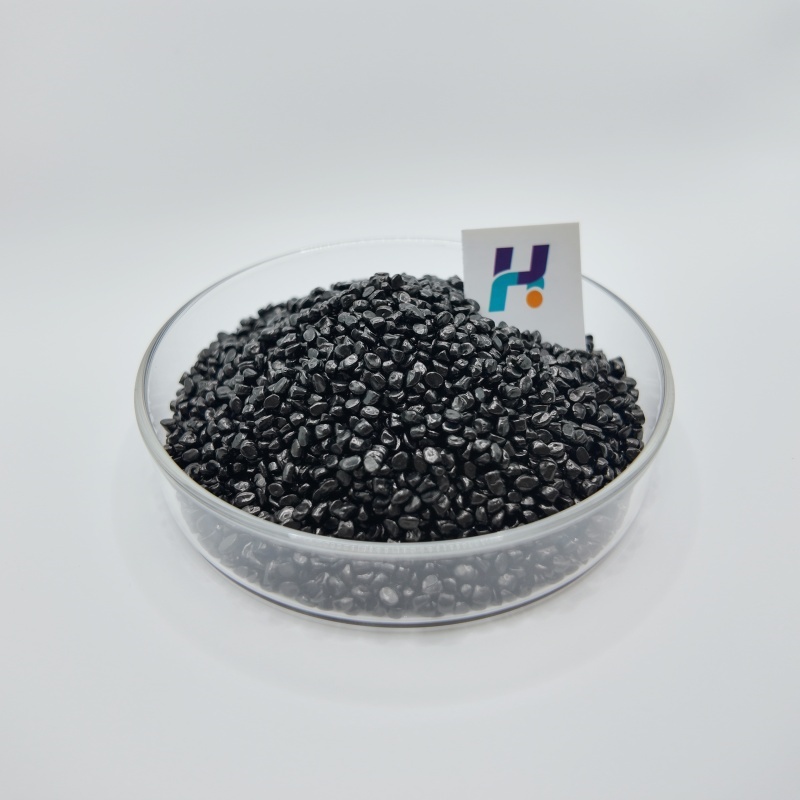
Product Introduction:
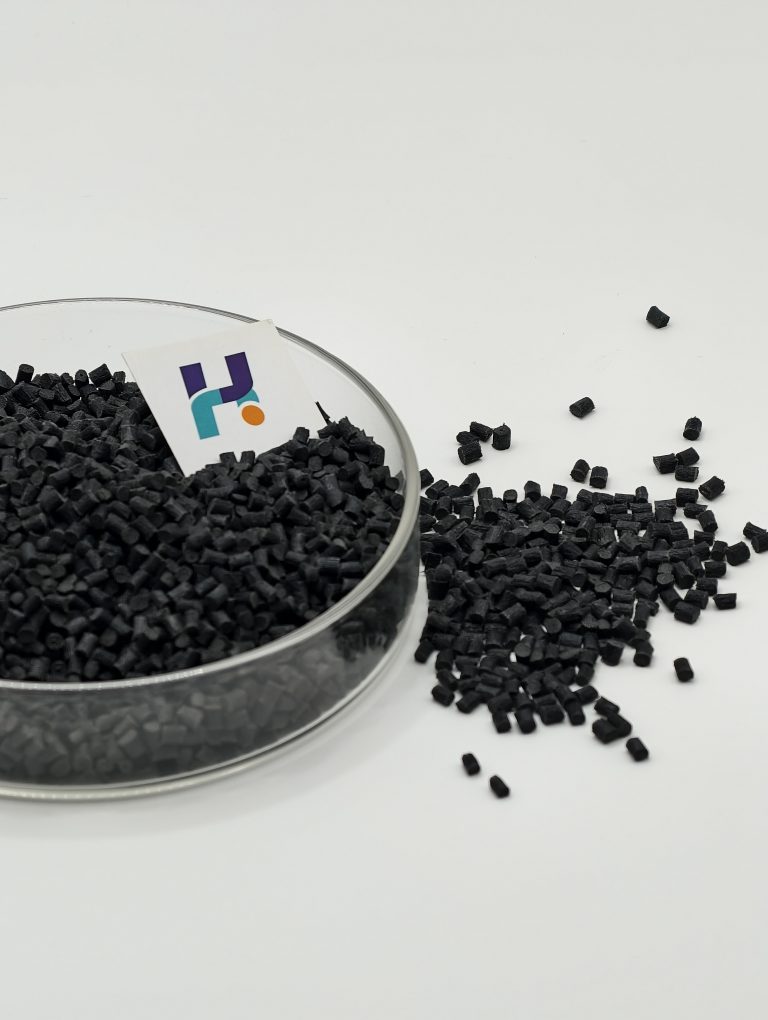
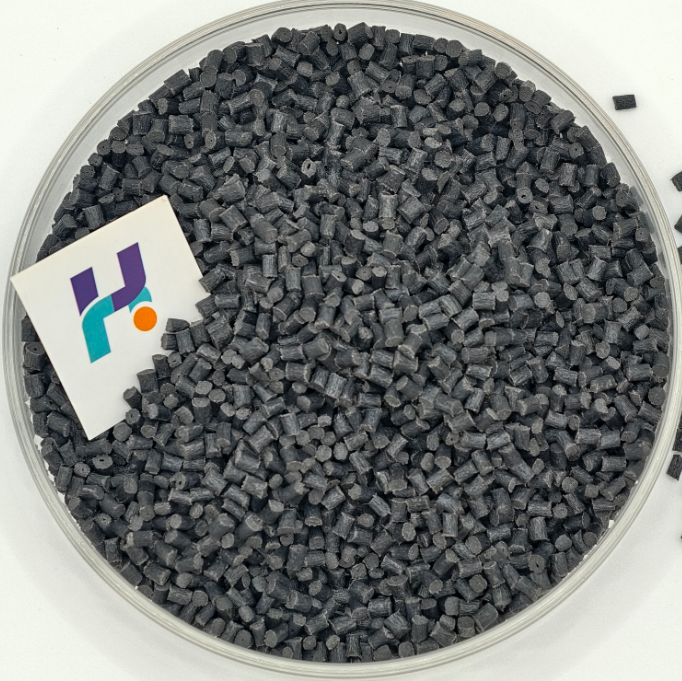
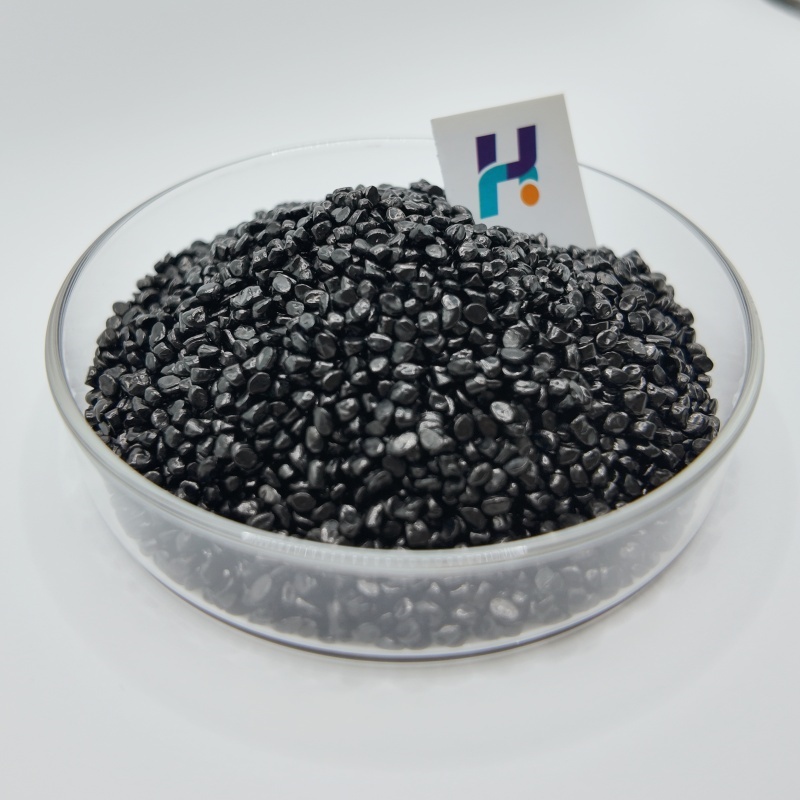
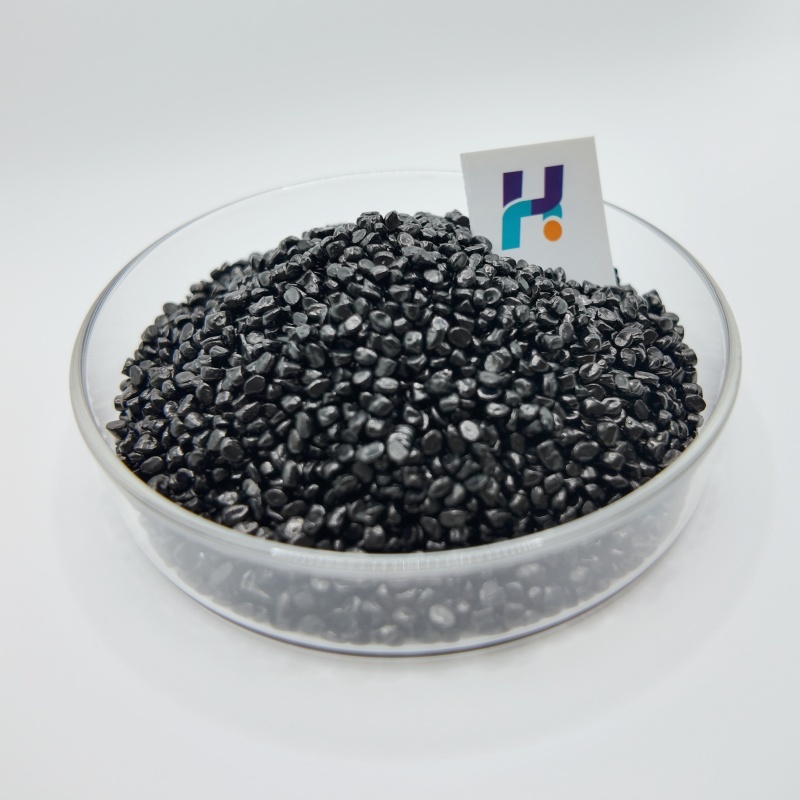
PBT-GF30 represents a significant advancement in engineering thermoplastics, combining the inherent benefits of PBT with 30% glass fiber reinforcement to create a material that outperforms in demanding applications. This high-performance composite offers an outstanding balance of stiffness and impact strength, providing metal-like rigidity while maintaining essential toughness. The material’s excellent heat resistance ensures reliable performance in elevated temperature environments, while its superior electrical insulation properties make it ideal for precision electronic components. With remarkable chemical resistance to oils, fuels, and solvents, PBT-GF30 maintains its mechanical integrity and dimensional stability even when exposed to harsh chemicals. The low warpage characteristics guarantee precise dimensional accuracy for complex components, and the material’s excellent flow properties facilitate easy processing in intricate mold designs. These combined properties make PBT-GF30 the go-to solution for engineers seeking reliability, performance, and manufacturing efficiency.
Product Attributes:
Reinforcement: 30% Glass Fiber
Key Properties: High Rigidity & Impact Balance, Excellent Heat Resistance, Superior Electrical Insulation, Chemical Resistance, Dimensional Stability, Easy Processability
Packaging:
Standard: 25 kg/bag
Custom: Up to 750 kg bulk packaging
Technical Documentation:
Material Data Sheet (MDS): Available upon request with complete mechanical, thermal and electrical properties
Processing Guide: Comprehensive instructions for drying parameters, injection molding settings, and mold design
Samples: Free samples (1-5 kg) available for testing and validation
Lead Time: 7-10 working days, adjustable based on order quantity
Certifications & Compliance: RoHS, REACH, and UL compliant
Frequently Asked Questions (FAQ):
Q: What is the difference between PBT and PET?
A: While both are thermoplastic polyesters, PBT offers better impact resistance, higher heat resistance, and easier processability, though it has slightly lower strength and rigidity compared to PET. PBT’s lower glass transition temperature (50-60°C vs PET’s 70-80°C) provides better flexibility at lower temperatures, making it more suitable for applications requiring toughness and thermal stability, such as automotive and electronic components.
Q: How does PBT-GF30 perform in high-temperature environments?
A: PBT-GF30 exhibits excellent heat resistance, maintaining its mechanical properties and dimensional stability at elevated temperatures. This makes it particularly suitable for under-hood automotive applications, electrical components, and other environments where exposure to heat is common. The glass fiber reinforcement significantly enhances the material’s thermal performance compared to unfilled PBT.
Q: Is PBT-GF30 suitable for electrical applications?
A: Absolutely. PBTGF30 offers excellent electrical insulation properties, low warpage for precision components, and good resistance to tracking, making it ideal for electrical and electronic applications such as connector systems, ignition coils, switch housings, and other components where reliable electrical performance is critical.