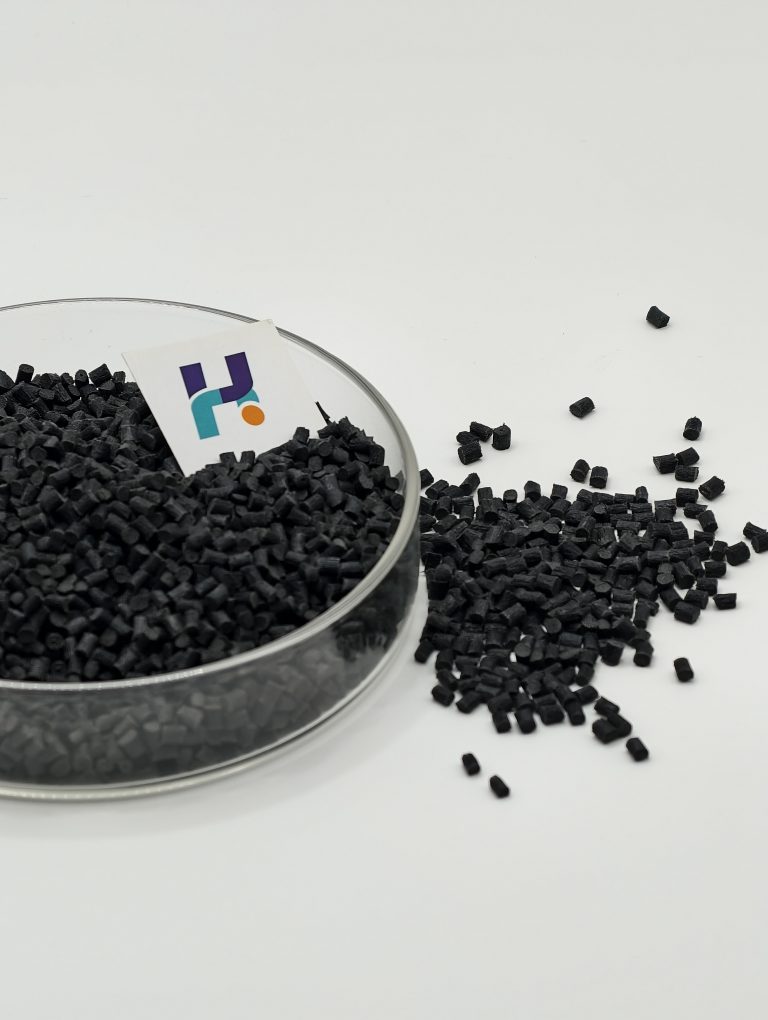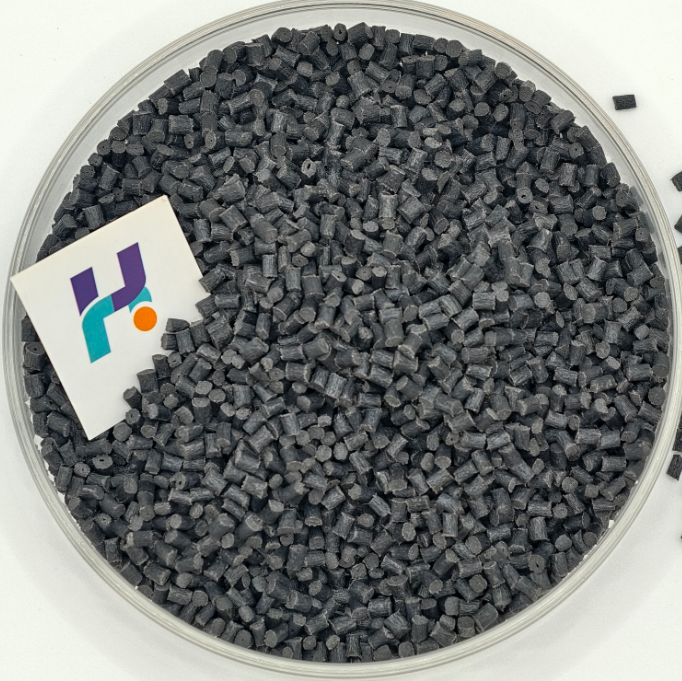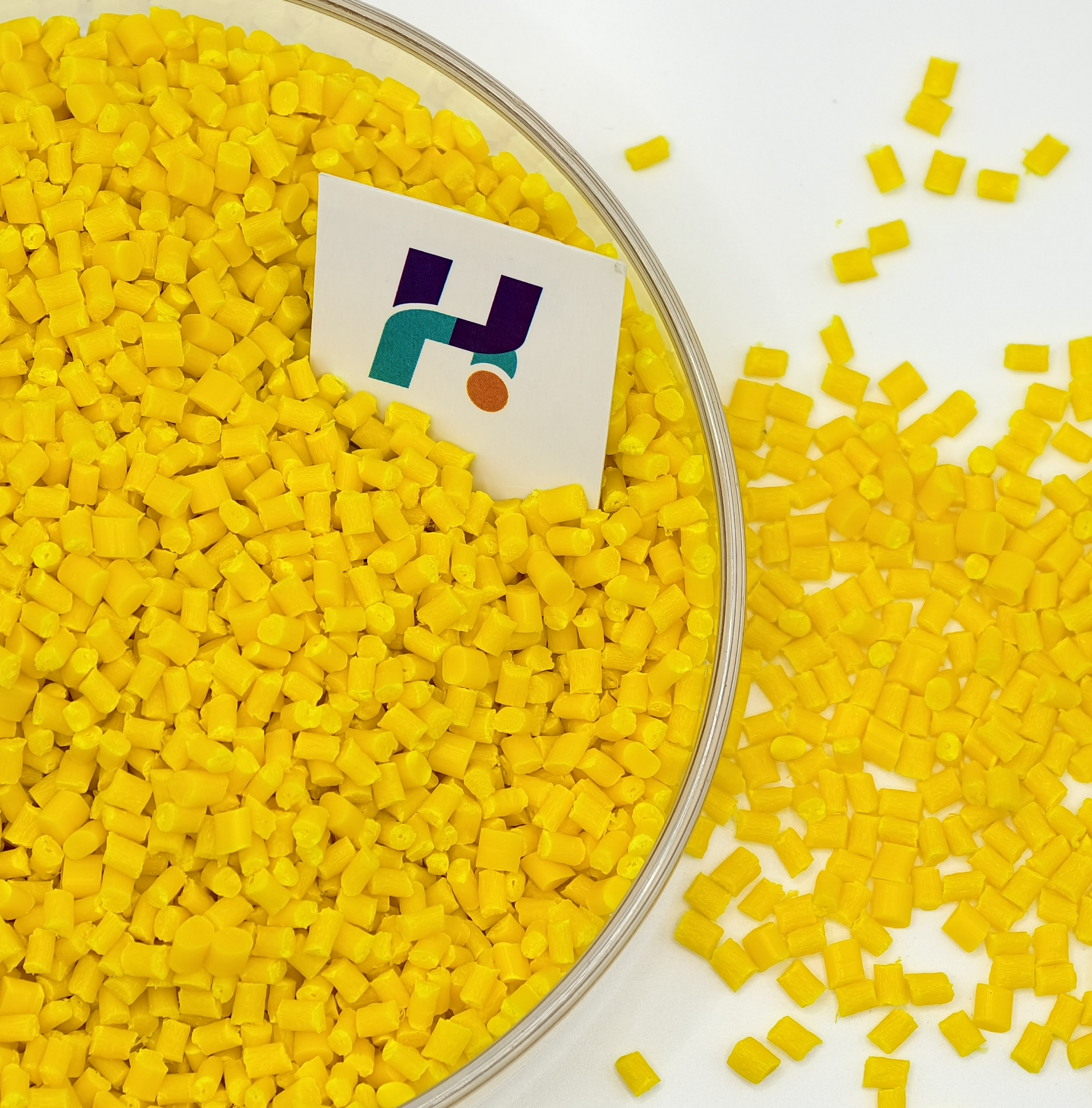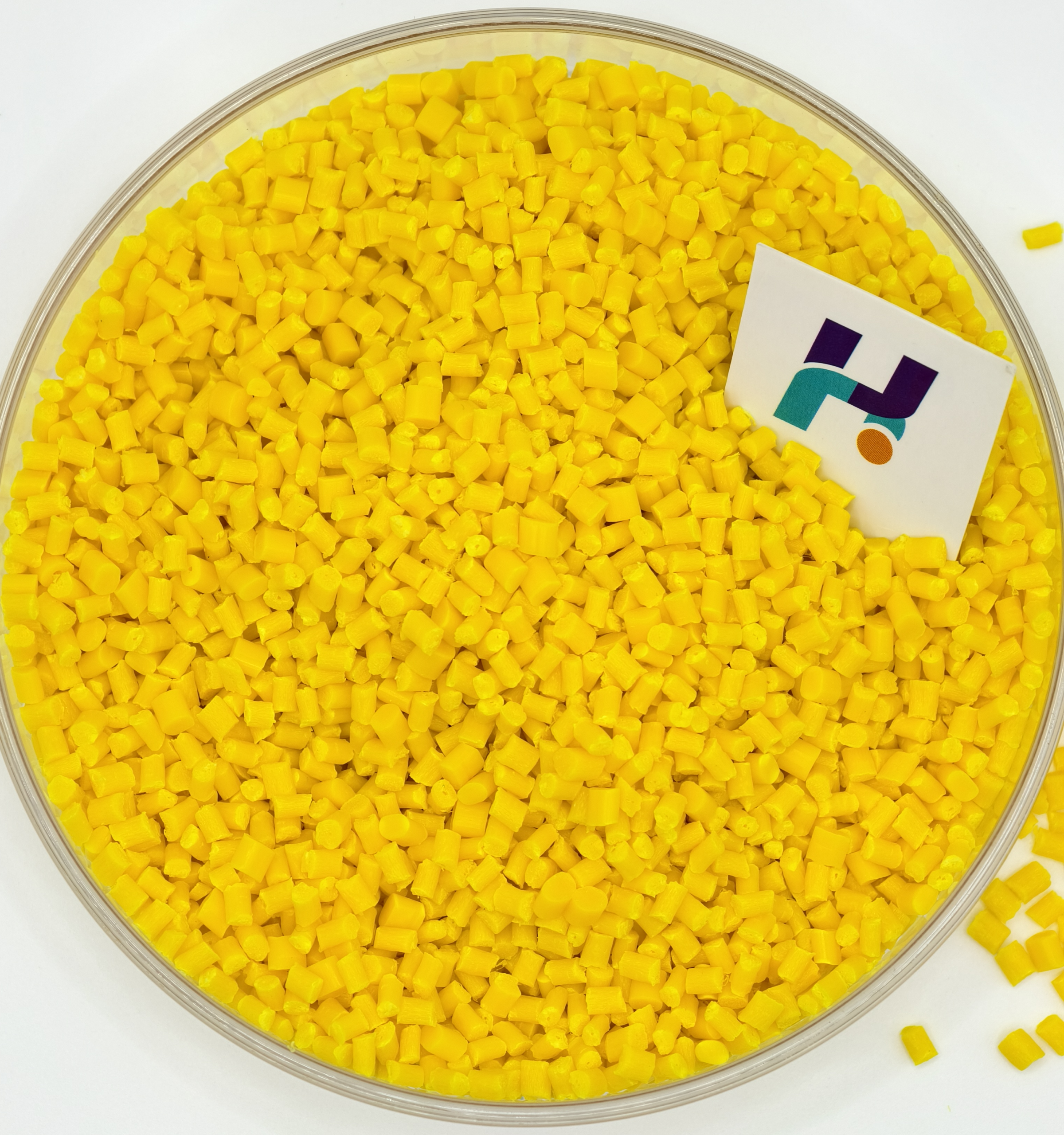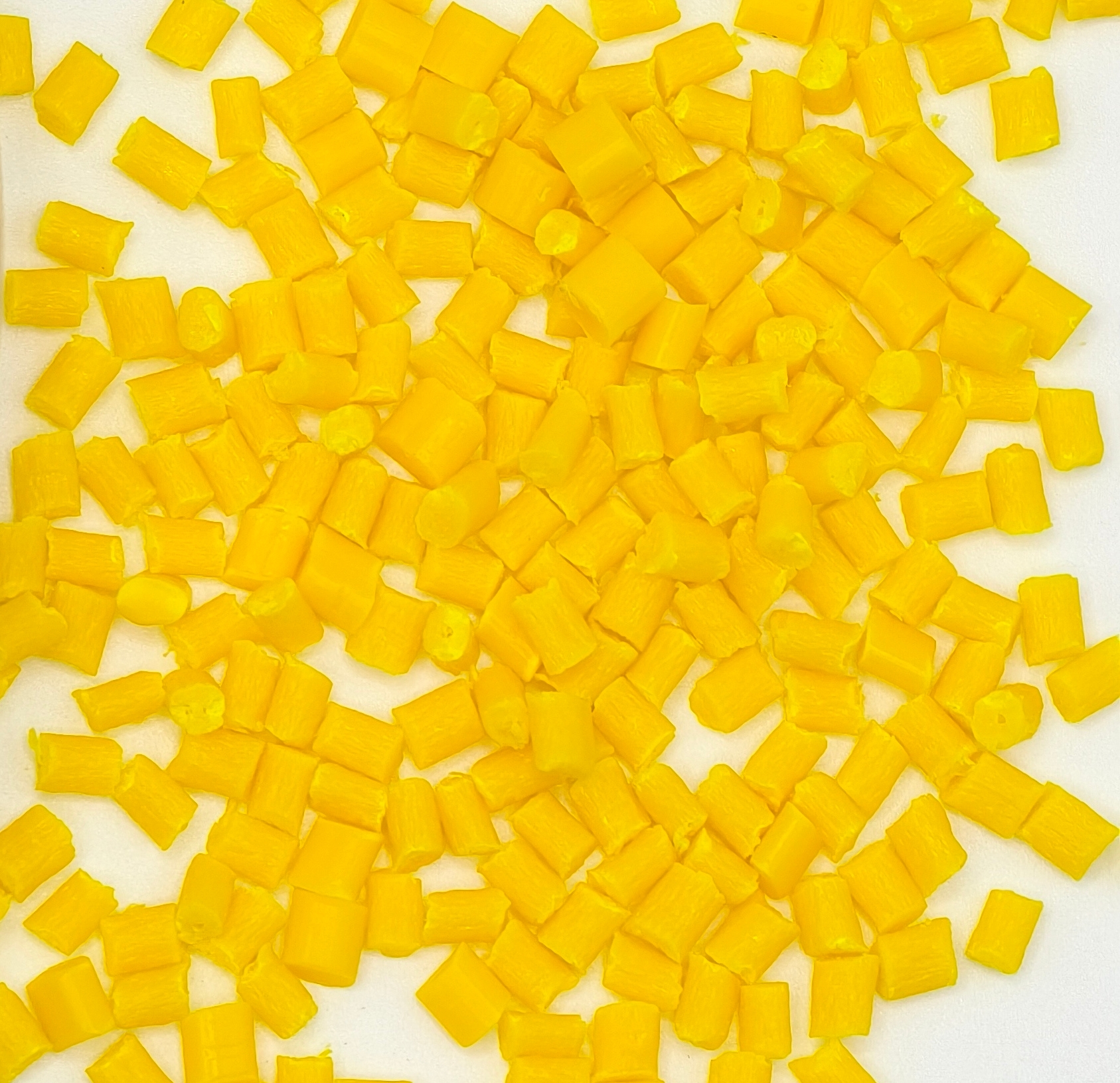
Antimicrobial Polycarbonate (PC)
Hygienic PC Material for Medical & High-Touch Components

Antimicrobial PC is designed for applications where hygiene and durability must coexist. Unlike surface coatings, the antimicrobial function is
built directly into the polymer matrix, providing long-term effectiveness without wear-off.
Compared with standard PC, antimicrobial grades focus on bacterial growth inhibition, not sterilization, ensuring safer and cleaner surfaces in daily-use environments.
Antimicrobial System & Material Design
Antimicrobial PC utilizes inorganic antimicrobial agents that are evenly dispersed within the polycarbonate matrix.
Material Composition Overview
-
Base Polymer: Polycarbonate (PC)
-
Antimicrobial System: Inorganic antimicrobial agents
-
Antibacterial Mechanism: Contact-based inhibition
-
Durability: Permanent, non-migrating
-
Optional Additives:
-
Heat stabilizer
-
UV stabilizer
-
Impact modifier
-
-
Color Options: Natural, light colors, customized
This formulation ensures antimicrobial performance throughout the product lifecycle.
Core Advantages: Hygiene with Engineering Reliability
Functional Advantages
-
Long-Lasting Antimicrobial Performance
Effectively inhibits common bacteria on plastic surfaces. -
Non-Leaching & Durable
Antimicrobial agents do not migrate or wear off. -
Reduced Cross-Contamination Risk
Suitable for high-touch environments. -
Maintained Mechanical Properties
Retains PC’s inherent impact resistance and strength.
Engineering & Commercial Advantages
-
No secondary coating required
-
Compatible with standard injection molding
-
Stable performance after repeated cleaning
-
OEM-ready for regulated applications
Typical Application Areas
Medical & Healthcare
-
Medical device housings
-
Diagnostic equipment covers
-
Hospital equipment components
Public & High-Touch Surfaces
-
Door handles & panels
-
Elevator components
-
Public control interfaces
Consumer Electronics
-
Handheld device housings
-
Touch-sensitive enclosures
Processing Performance & Injection Molding Guidelines
Antimicrobial PC processes similarly to standard PC with proper drying control.
-
Melt Temperature: 260–300 °C
-
Mold Temperature: 90–120 °C
-
Drying: 120 °C for 3–4 hours
-
Injection Speed: Medium
-
Shrinkage: 0.4–0.6%
The antimicrobial function remains stable under normal processing conditions.
Technical Specification – Antimicrobial PC
| Property | Test Standard | Typical Value |
|---|---|---|
| Density | ISO 1183 | 1.18–1.22 g/cm³ |
| Tensile Strength | ISO 527 | 60–70 MPa |
| Notched Izod Impact | ISO 180 | 6–9 kJ/m² |
| Heat Deflection Temp. | ISO 75 | 130–145 °C |
| Antimicrobial Effectiveness | ISO 22196 | ≥99% |
OEM / ODM Customization Capabilities
-
Antimicrobial strength tuning
-
Light-color & appearance-optimized grades
-
UV-resistant outdoor versions
-
Compliance-oriented formulations
FAQ
Q1: Is Antimicrobial PC a sterilizing material?
No. It inhibits bacterial growth but does not sterilize surfaces.
Q2: Does antimicrobial performance wear off over time?
No. The antimicrobial agents are integrated into the material matrix.
Q3: Is Antimicrobial PC safe for medical applications?
Yes, it is widely used in medical and healthcare equipment housings.
Q4: Can Antimicrobial PC withstand frequent cleaning?
Yes. Performance remains stable after repeated cleaning cycles.
Q5: Can Antimicrobial PC be customized for OEM applications?
Yes. Antimicrobial and mechanical properties can be tailored.