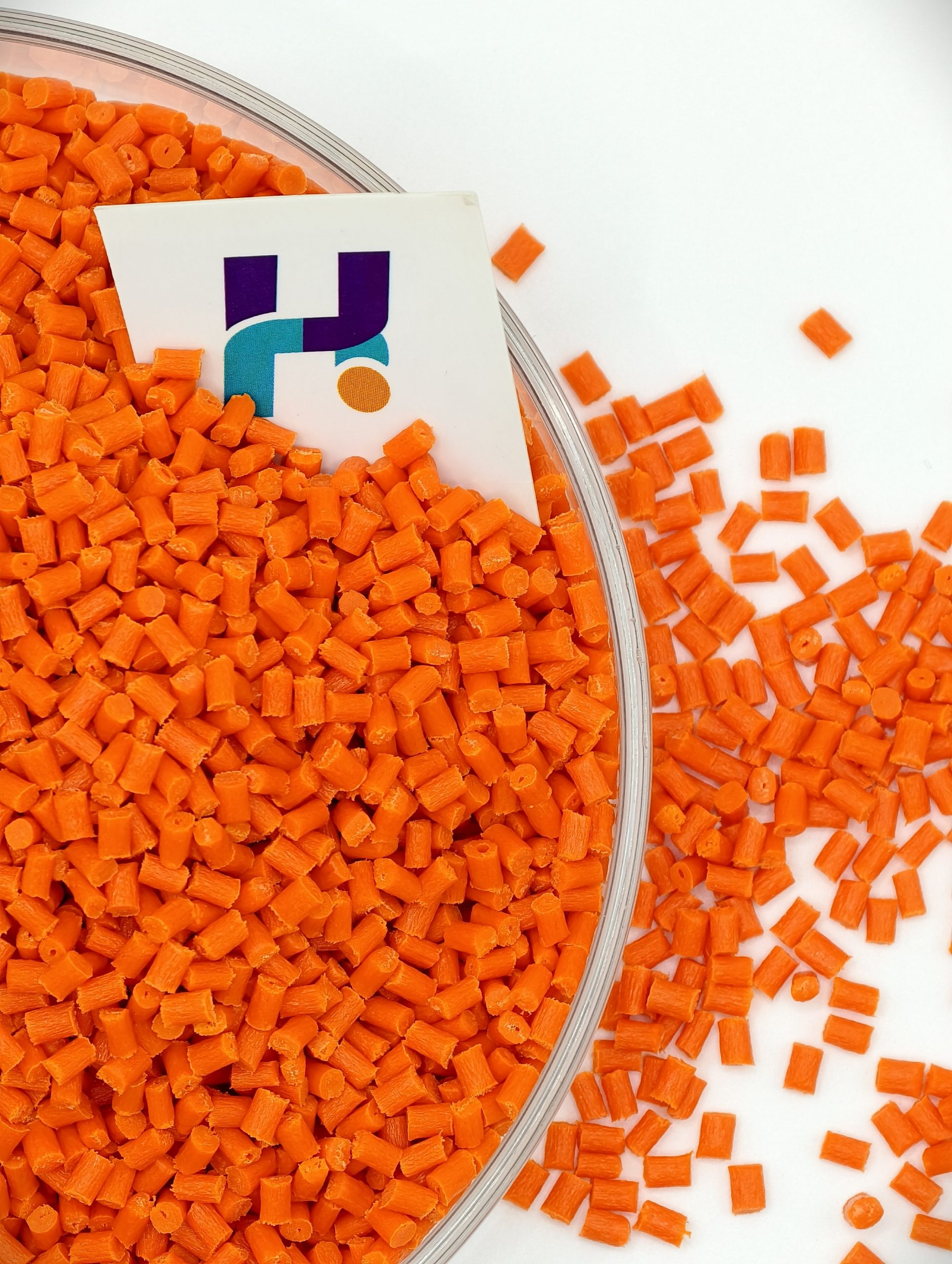
Maximum rigidity + creep control for structural injection parts—when GF30/35 is still not enough.
ABS GF40 is not a “general upgrade.” It’s a structural tool for parts that behave like engineered supports: long spans, high rib density, torque-loaded fasteners, and assemblies where tiny deflection becomes noise, gap drift, or functional failure over time.
it’s usually because:
-
the bracket still flexes under real load at GF30/35
-
the carrier shows slow dimensional drift (creep) after weeks/months
-
thermal cycling causes fit shift in tight assemblies
-
production needs more rigid geometry to reduce NVH-related movement
Yongjinhong ABS GF40
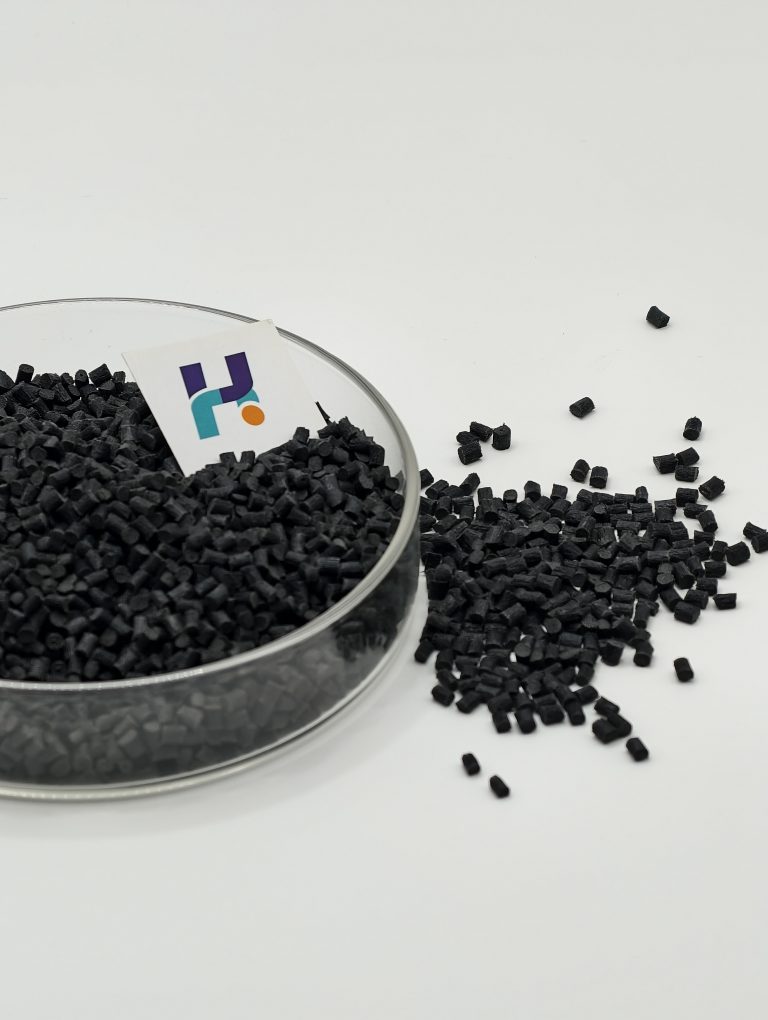
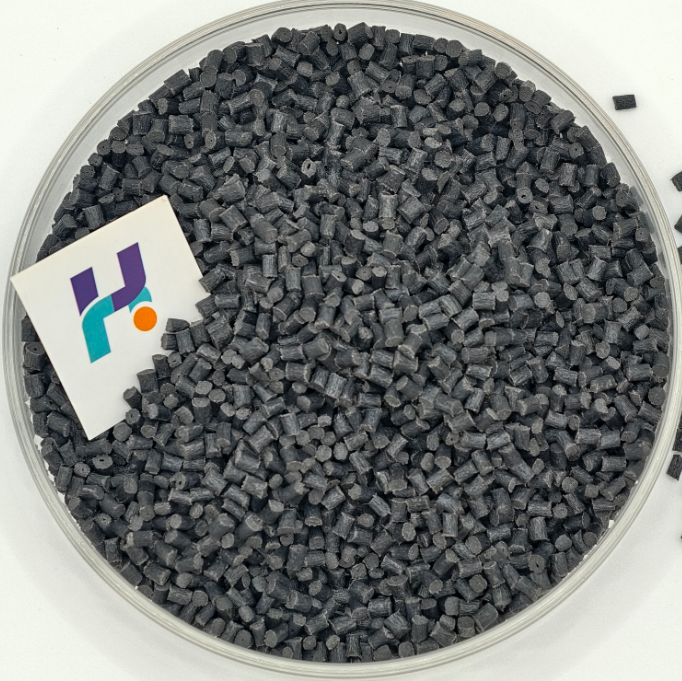
ABS GF40 is an ABS matrix reinforced with ~40% glass fiber, compounded for injection molding with dispersion control and stability packages designed to deliver:
-
Ultra-high rigidity / modulus (very low deflection)
-
Maximum creep resistance within the ABS GF family
-
Improved heat deformation resistance for hot-soak stability
-
Dimensional repeatability when gate/orientation/cooling are managed
Reality check (important for decision-makers):
At 40% GF, performance becomes more direction-dependent. Anisotropic shrink is stronger, and warpage is more sensitive to:
-
gate location and flow length
-
fiber orientation
-
packing consistency
-
cooling uniformity
So GF40 is a “system grade”: resin + mold strategy + process discipline.
Yongjinhong ABS GF40 Raw Material
1) Minimum flex (structural feel)
Engineering: higher fiber fraction significantly increases modulus compared with GF30/35.
Buyer value: improved assembly stability, less micro-movement, better torque retention and “solid feel.”
2) Long-term dimensional hold (creep control)
Engineering: fiber reinforcement boosts resistance to load relaxation over time.
Buyer value: fewer slow-fit changes, reduced squeak/rattle and gap drift in long-term use.
3) Heat-cycle stability (hot-soak + vibration + load)
Engineering: reinforcement supports shape retention under heat exposure (design- and test-dependent).
Buyer value: fewer seasonal/thermal validation surprises, more stable production releases.
Yongjinhong ABS GF40 Best-Fit Applications

Structural Brackets & Mounting Supports
-
torque-loaded fastened brackets
-
heavy rib frameworks that must not flex
-
supports where deflection drives NVH or functional misalignment
Module Carriers & Reinforcement Frames
-
carriers that hold multiple components in fixed geometry
-
reinforcement backbones under vibration and thermal cycling
Functional Frames (appearance is secondary)
-
structural frames where geometry and stiffness dominate the requirements
If your part is cosmetic Class-A or requires high gloss, GF40 is typically not the first choice unless you plan texture/paint or a surface-optimized route.
Performance Target Map
Actual values depend on formulation, fiber type, color system, and test standard.
| Attribute | ABS GF30 | ABS GF35 | ABS GF40 | What it means |
|---|---|---|---|---|
| Stiffness / Modulus | Very High | Ultra High | Max (ABS GF family) | Lowest deflection |
| Creep resistance | Best | Best+ | Max | Strongest long-term hold |
| Heat deformation resistance | High | Higher | Highest | Better hot-soak stability |
| Warpage sensitivity | Higher | Higher++ | Highest | Needs gate/cooling plan |
| Surface fiber signature | Higher | Higher++ | Highest | Surface strategy recommended |
| Process window tolerance | Sensitive | Most sensitive | Tightest | Discipline required |
Positioning in Your ABS GF Series
For a clean series story on your site:
-
GF15: balanced stiffness + easier molding/surface
-
GF20: clear stiffness upgrade with controlled risk
-
GF25: bridge grade (GF20 not enough, GF30 too sensitive)
-
GF30: structural grade for most “no-flex” needs
-
GF35: extreme structural stiffness
-
GF40: maximum structural stiffness for the toughest deflection/creep cases
GF40 is your “top tier” SKU—use it as a proof of capability, but guide buyers to self-select correctly.
Injection Molding Guidance
The goal is stability: orientation + cooling + consistent packing.
Practical starting setup:
-
Drying: recommended for surface consistency and stable flow
-
Melt temperature: ~235–280°C (optimize flow; avoid thermal degradation)
-
Mold temperature: ~80–110°C (shrink stability and knit-line quality)
-
Injection speed: medium-to-high (avoid hesitation; stabilize knit lines)
-
Packing/holding: stable and repeatable; avoid over-packing that locks in stress
Warpage control checklist (must-do at GF40):
-
gate strategy controls fiber orientation → warp direction often follows flow
-
uniform cooling is critical (avoid hot spots)
-
rib and thickness transitions need disciplined design
-
venting prevents burn and uneven shrink
-
multi-cavity molds: balance flow and cooling across cavities
Product Details
| Item | Description |
|---|---|
| Product name | ABS Glass Fiber Reinforced 40% (ABS GF40) |
| Form | Pellets for injection molding |
| Reinforcement | ~40% glass fiber (customizable) |
| Core strengths | Maximum rigidity, creep control, hot-soak stability |
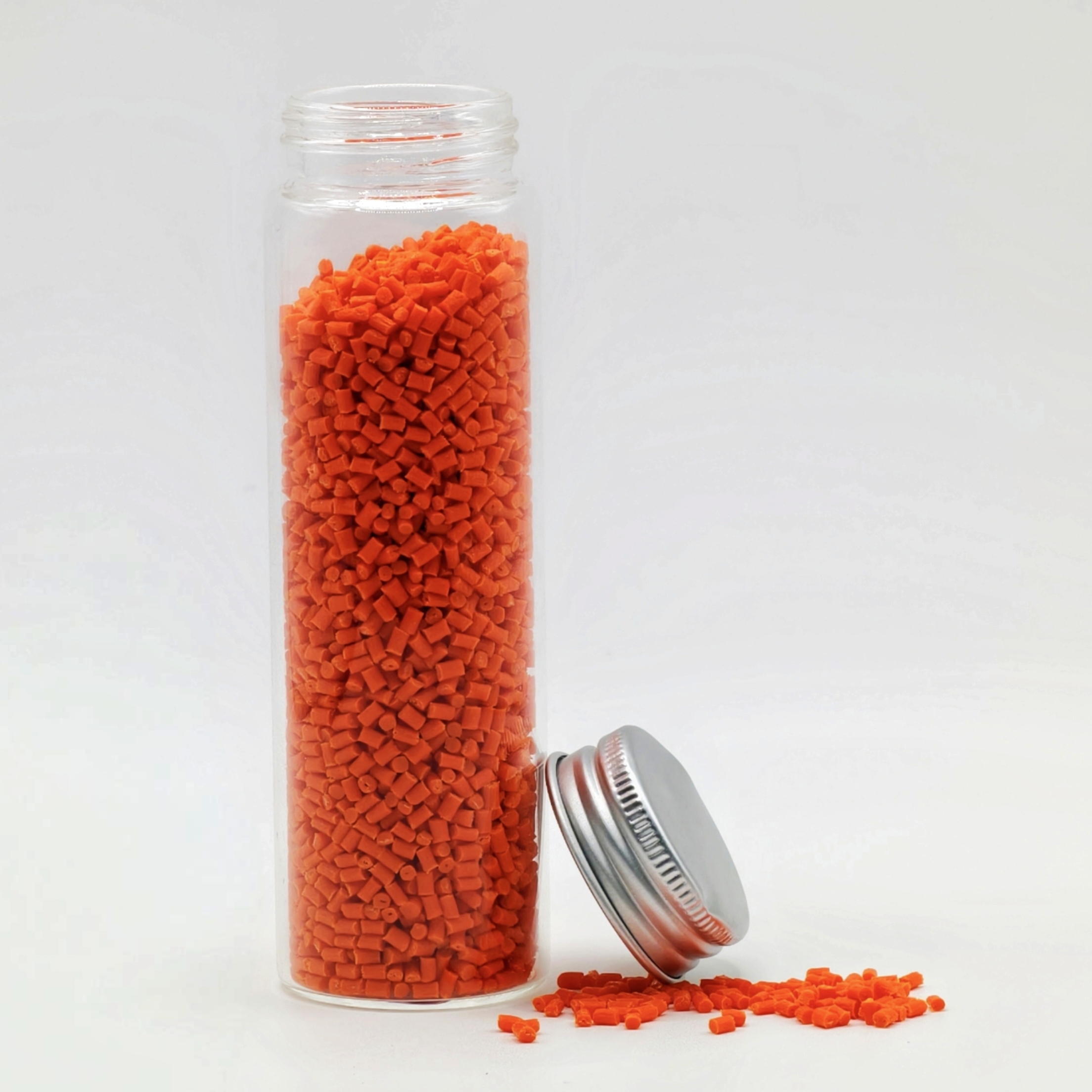
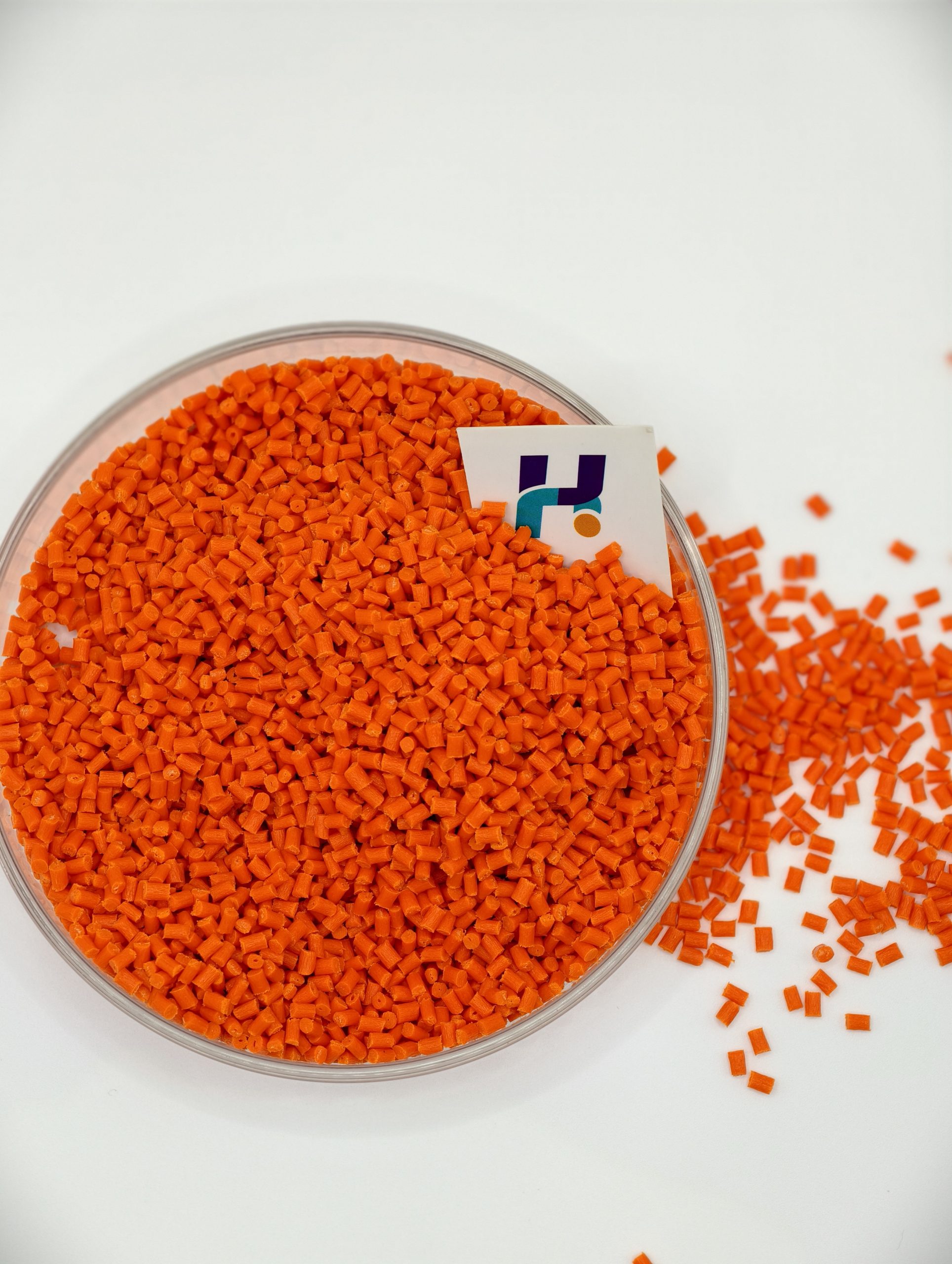
| Color | Natural / Black / Custom colors |
| Typical uses | Structural brackets, carriers, reinforcement frames |
| OEM options | Low-warpage route, heat-aging, impact tuning, color match, process tuning |
What OEM we should provide
-
part type + function (bracket/carrier/reinforcement frame)
-
wall thickness range + flow length direction
-
biggest issue: deflection, creep drift, hot-soak fit shift, warpage direction
-
surface requirement (paint/texture vs exposed cosmetic)
-
gate constraints + runner type (hot/cold)
Even wall thickness + failure mode + part photo is enough to start.