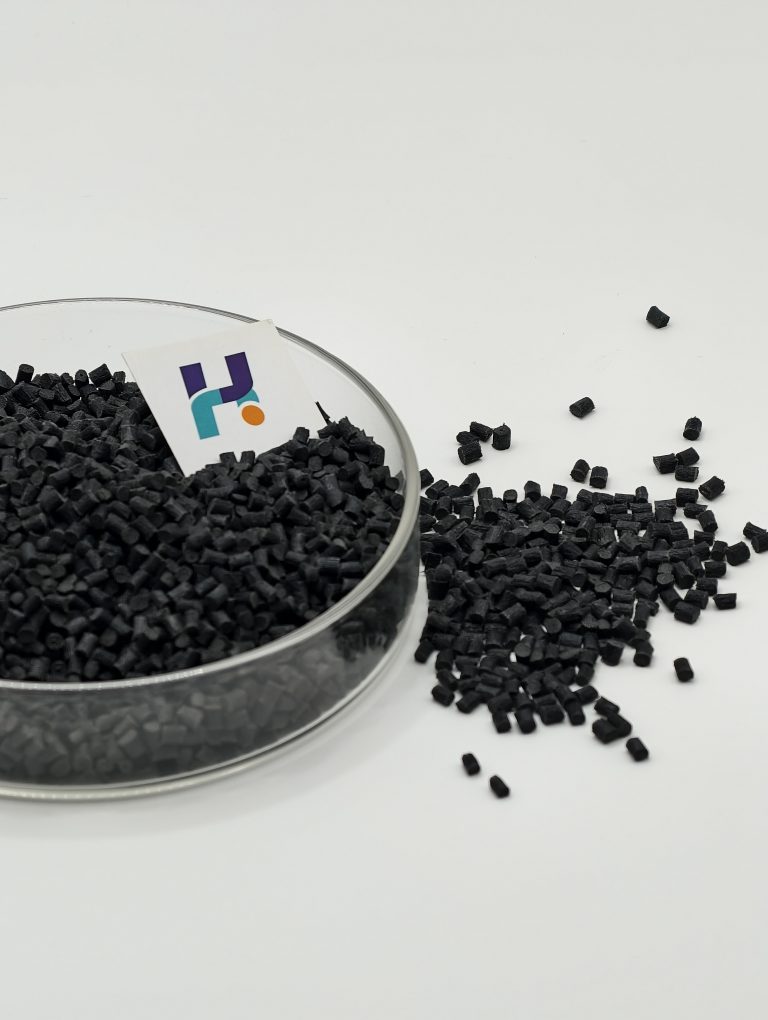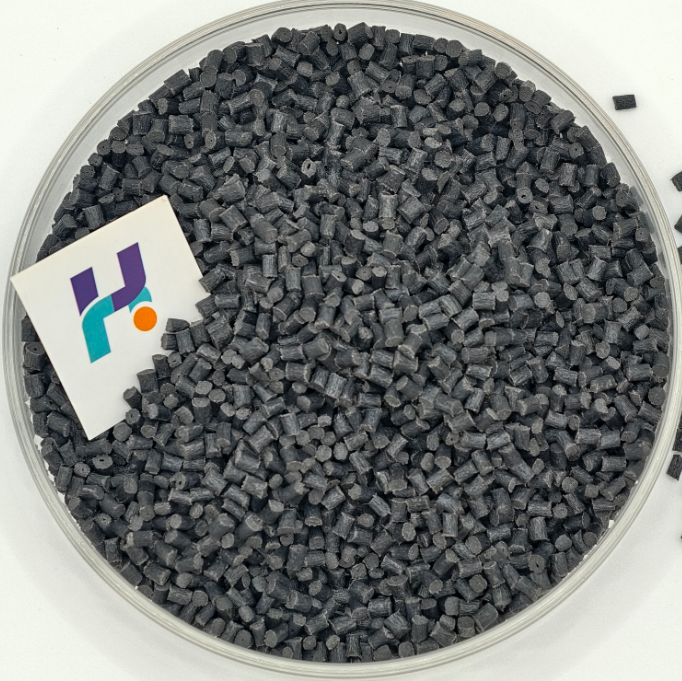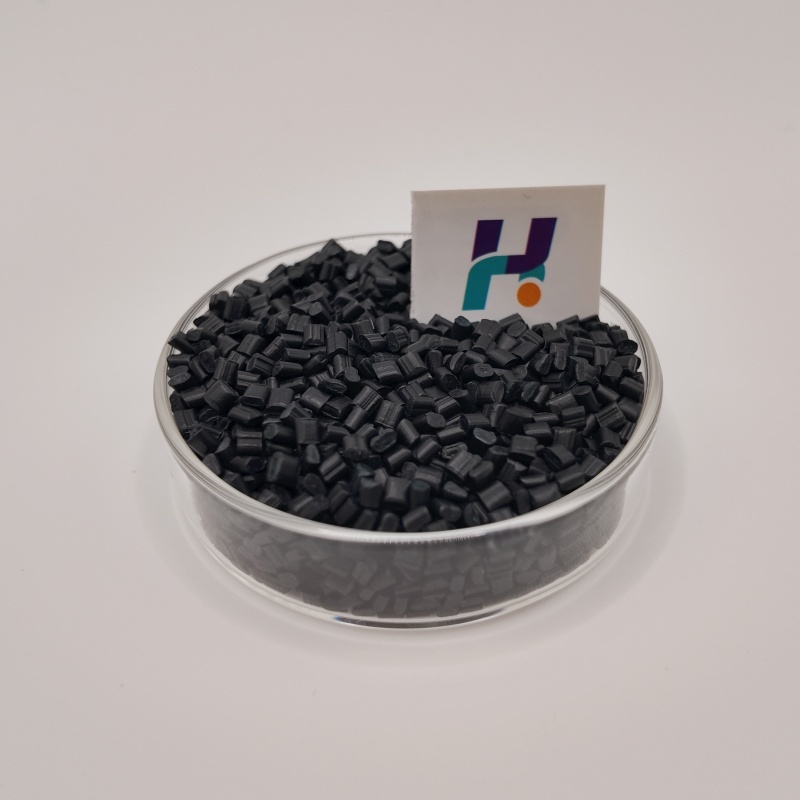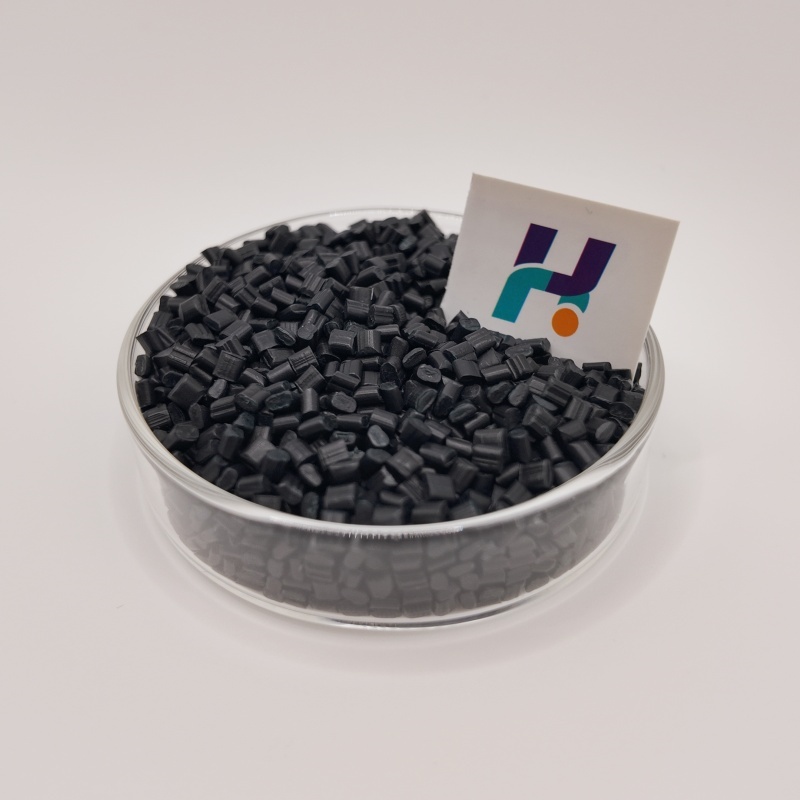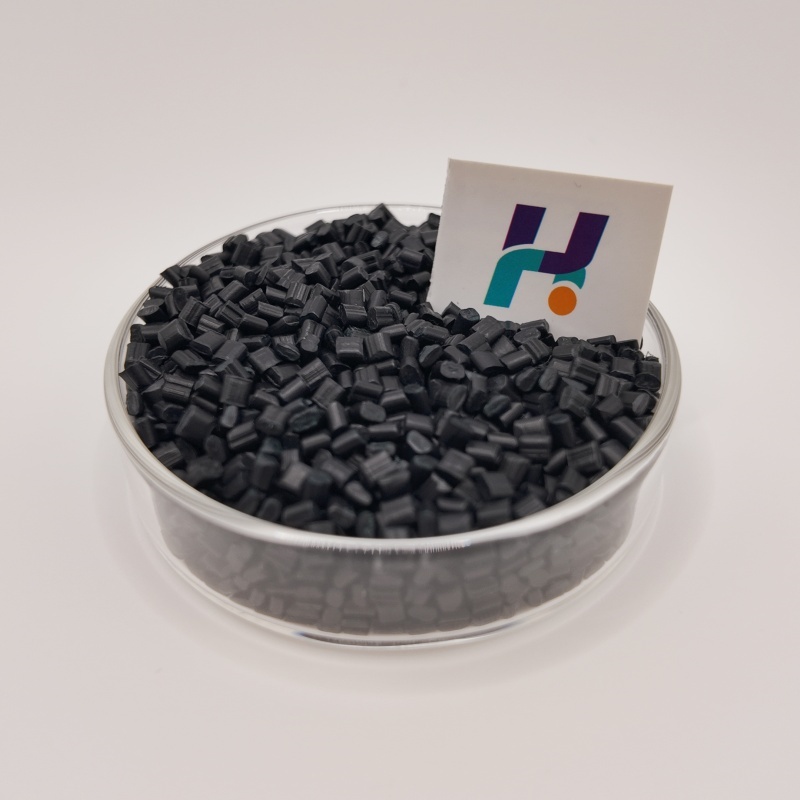
ABS-GFR Product Introduction:
Our ABS-GFR series represents a significant upgrade over standard ABS, specifically formulated to meet the rigorous demands of modern manufacturing. By integrating glass fibers, we have created a material that mimics the stiffness of metal while retaining the processing ease and design flexibility of plastic. This makes it perfect for producing strong, lightweight, and complex components. Its exceptional dimensional stability ensures parts maintain their shape and accuracy, even under load or in varying thermal conditions. Furthermore, the low volatile organic compound (VOC) emission addresses the growing need for healthier interior environments in vehicles and homes. From robust automotive clips to intricate electronic housings, ABS-GFR delivers reliable performance, durability, and value.
Frequently Asked Questions (FAQ):
Q: What is the difference between ABS and Polycarbonate (PC)?
A: ABS offers a good balance of strength, cost-effectiveness, and ease of processing, with moderate impact resistance and rigidity. It has better natural UV resistance than PC but can become brittle at lower temperatures. In contrast, PC boasts superior impact strength, higher heat deflection temperature, and greater transparency. PC is more ductile at low temperatures and offers better chemical resistance, but it is more expensive, can be harder to process, and has poorer inherent UV resistance. Alloys like PC/ABS combine the advantages of both for a better performance balance.
Q: Do you provide technical data sheets?
A: Yes, we provide comprehensive Material Data Sheets (MDS) detailing mechanical, thermal, and electrical properties. Please contact our sales or technical team to request them.
Q: What is the production lead time?
A: Standard lead time for production orders is 7-10 working days, subject to order quantity and customization requirements.
Q: Are free samples available?
A: Yes, we encourage product testing. We typically provide 1-5 kg of free samples to qualified customers for evaluation purposes.