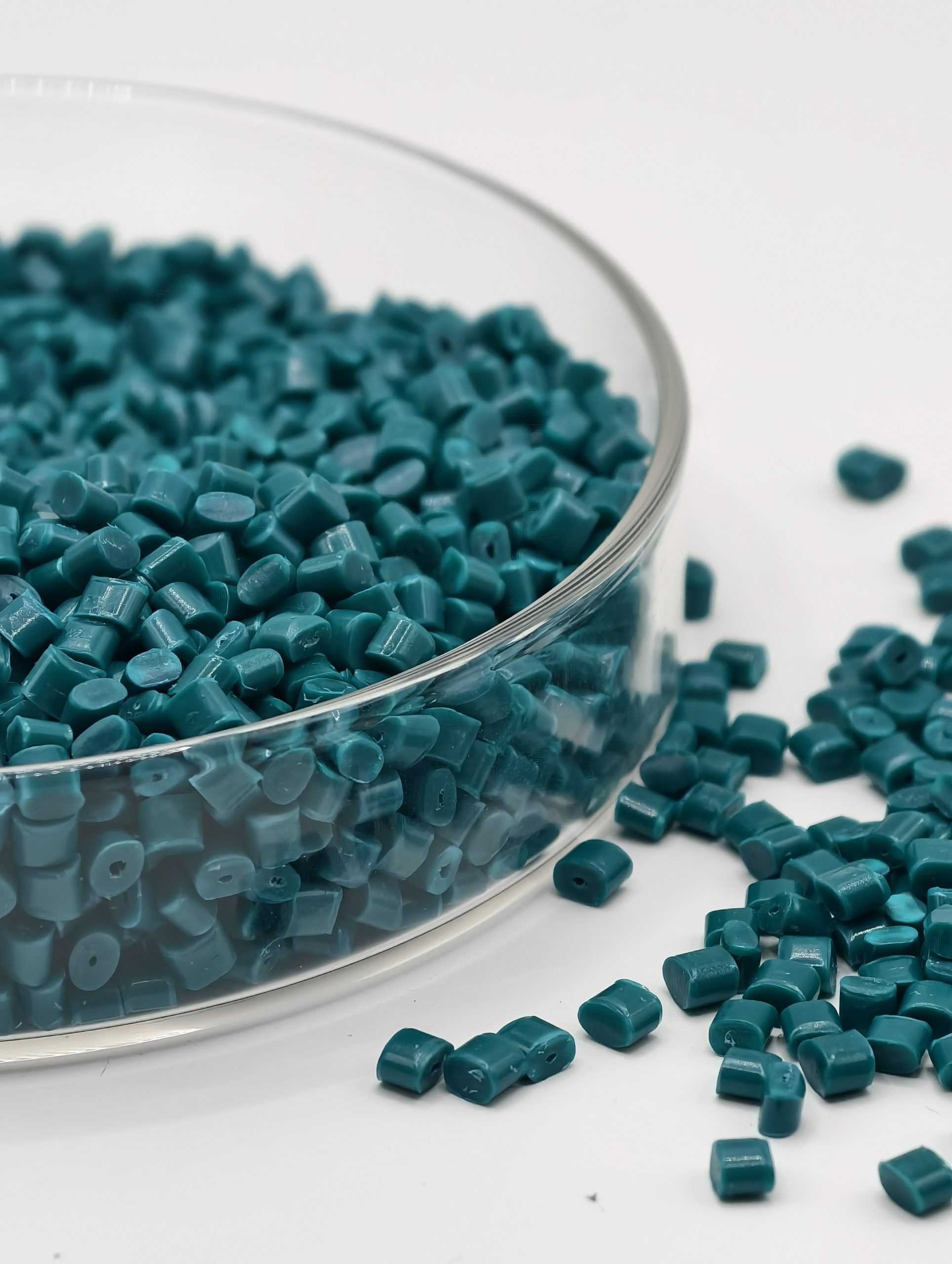
If you’re choosing between ABS and PBT, you’re usually not debating “which is stronger.” You’re trying to avoid one of these expensive outcomes:
-
ABS parts crack at snaps or weld lines after assembly or drop tests
-
PBT parts warp less but become too brittle in thin features (if not tuned)
-
Housings look good in trial, but after thermal cycling the fit drifts
-
Electrical parts pass once, then fail due to moisture, chemicals, or heat aging
-
Your team spends weeks tuning molding parameters because the material’s window is too narrow
1) Material Snapshot
ABS (Acrylonitrile Butadiene Styrene)
ABS is the go-to for tough, good-looking housings with strong impact performance and excellent color/texture control. It’s popular for visible parts because it’s forgiving in molding and offers a clean surface.
ABS is typically chosen for:

-
consumer electronics housings
-
automotive interior trims (appearance + toughness)
-
covers, bezels, structural frames at moderate temperatures
-
parts needing painting, texture, or consistent color
PBT (Polybutylene Terephthalate)
PBT is a thermoplastic polyester known for dimensional stability, chemical resistance, and electrical reliability. It’s widely used in electrical and automotive components where heat and chemicals are part of the environment.
PBT is typically chosen for:

-
electrical connectors, terminal housings
-
sensor housings, coil bobbins
-
under-hood components (with GF reinforcement)
-
parts exposed to oils, fuels, cleaners, or sustained heat
2) The Decision Rule
If you only remember one thing:
-
Choose ABS when your priority is impact + appearance + cost-efficiency at moderate heat.
-
Choose PBT when your priority is heat stability + chemical resistance + electrical performance + dimensional repeatability.
A practical production rule:
-
If your part lives near electrical contacts / heat / chemicals, start with PBT (often PBT GF or FR PBT).
-
If your part is a visible housing or needs high impact with good surface, start with ABS (or PC/ABS if heat is higher).
3) ABS vs PBT Comparison Table
| Category | ABS | PBT |
|---|---|---|
| Impact strength | High (excellent for snaps & drops) | Moderate (can be improved with modifiers) |
| Heat resistance | Medium | Higher (especially GF PBT) |
| Dimensional stability | Medium–Good | Very Good (low moisture effect) |
| Moisture absorption | Low–Medium | Low (but polyester behavior matters in long-term aging) |
| Chemical resistance | Medium | Better (oils, greases, many automotive fluids) |
| Electrical insulation stability | Good | Excellent (common in connectors) |
| Surface/appearance | Excellent (color/texture, cosmetic housings) | Good (but often used function-first) |
| Warpage control | Part-dependent | Often easier (especially reinforced grades) |
| Cost positioning | Often cost-friendly | Often higher (depends on grade/additives) |
| Typical “win” | housings, trims, appearance + toughness | connectors, electrical parts, heat/chemical environments |
A common mistake: picking ABS because it’s tougher, then fighting heat/chemical drift later. Or picking PBT for stability, then cracking snaps because the grade wasn’t impact-tuned.
4) Where ABS Wins
A) Consumer and industrial housings (appearance + toughness)
ABS excels where surface quality and impact matter: device housings, covers, bezels, panels.
B) Automotive interior trim & functional interior parts
ABS supports consistent texture/color and strong handling durability. (If odor is critical, low-odor ABS is a dedicated route.)
C) Snap-fits, clips, and assembly features (moderate temperature)
ABS is often the fastest path to “assembly doesn’t break parts.”
OEM ABS options (common requests):
-
Heat-resistant ABS (hot-soak stability for interior parts)
-
Low-odor ABS (interior approval risk control)
-
FR ABS (UL94 targets for electrical housings)
-
ABS GF grades (GF15/20/25/30+ for rigidity/low creep)
5) Where PBT Wins
A) Electrical connectors & terminal housings
PBT is a connector standard because it holds dimensions, performs electrically, and tolerates heat and chemicals better.
B) Automotive electrical parts and sensor housings
PBT handles automotive fluids and thermal exposure more comfortably, especially in reinforced grades.
C) Precision parts needing stable fit
PBT often reduces “dimensional drift” headaches caused by heat/moisture variations.
OEM PBT options (common requests):
-
PBT GF (10–30%+) for stiffness and heat stability
-
FR PBT (UL94 V-0) for electrical housings
-
Hydrolysis-resistant PBT (hot/wet aging programs)
-
Low warpage PBT for multi-cavity connector tools
-
PTFE/low-friction modified PBT (when wear matters)
6) “Engineering Reality”: What Fails First
If you choose ABS, watch for:
-
Heat-cycle distortion: hot-soak can shift gaps/fit
-
Chemical sensitivity: certain cleaners/fluids can stress-crack
-
Rigidity limits: long spans can flex and cause NVH or misalignment
Fix paths: heat-stabilized ABS, ABS GF, or switch to PBT/PC blend depending on use.
If you choose PBT, watch for:
-
Brittleness in thin snaps (grade-dependent)
-
Weld-line sensitivity (processing + design)
-
Hot/wet aging (hydrolysis) in certain long-term conditions (grade selection matters)
Fix paths: impact-modified PBT, hydrolysis-resistant PBT, or design adjustments at snaps.
7) Processing & Molding Notes
ABS molding notes
-
forgiving process window, great for cosmetic parts
-
control melt history to avoid splay/appearance issues
-
snap-fit performance depends on weld-line management and proper venting
PBT molding notes
-
stable dimensions are a strength, but crystallization behavior makes mold temperature control more important
-
reinforcement improves stability but increases orientation effects
-
for connectors: flow balance, venting, and consistent packing are critical
In production, “material choice” is also “process tolerance.” If your factory needs a wide window, ABS often feels easier. If your part needs thermal/chemical stability, PBT often pays back.
8) How to Spec the Right Grade
To get a fast and accurate recommendation (no sensitive brand info required), share:
-
Part type: housing / connector / clip / frame
-
Service temperature (max, hot-soak, cycling)
-
Exposure: oils, cleaners, humidity, outdoor UV
-
Key risk: crack at snap, warpage, gap drift, electrical reliability
-
Wall thickness + flow length (thin-wall? long-flow?)
-
Flame requirement (UL94? target thickness?) if electrical
-
Appearance requirement: visible surface or function-first
With just (2) temperature + (3) exposure + (4) key risk, you can usually decide ABS vs PBT quickly.
9) OEM Customization
If leans ABS:
-
heat-resistant ABS
-
FR ABS (UL94)
-
low-odor ABS
-
ABS GF rigidity grades
If leans PBT:
-
PBT GF stiffness grades
-
FR PBT (UL94 V-0)
-
hydrolysis-resistant PBT
-
low warpage / multi-cavity stability tuning
FAQ
Q1: Which is better, ABS or PBT?
A: It depends on the environment. ABS is typically better for impact and appearance-focused housings. PBT is typically better for heat, chemical exposure, and electrical parts like connectors.
Q2: Why is PBT widely used for electrical connectors?
A: PBT offers strong dimensional stability, good electrical insulation reliability, and better resistance to heat and many automotive fluids compared with standard ABS.
Q3: When should I choose ABS instead of PBT?
A: Choose ABS when your part is a housing/cover with strong appearance needs and high impact requirements, and the service environment is not dominated by heat/chemical exposure.
Q4: Which material is better for snap-fits and clips?
A: ABS often performs better for snap-fits due to higher impact toughness. PBT can work if the grade is impact-tuned and the design/processing controls weld-line strength.
Q5: What about flame retardancy—should I use FR ABS or FR PBT?
A: For electrical housings, both are possible. FR PBT is common in connector systems; FR ABS is common in housings where appearance and impact are also important. The choice depends on thickness targets, heat exposure, and processing stability.
Q6: What information do I need to provide to select the right grade fast?
A: Share service temperature, chemical exposure, wall thickness, key failure mode (crack/warp/gap drift), appearance requirement, and any UL94 target. That’s usually enough to decide ABS vs PBT and define the grade direction.