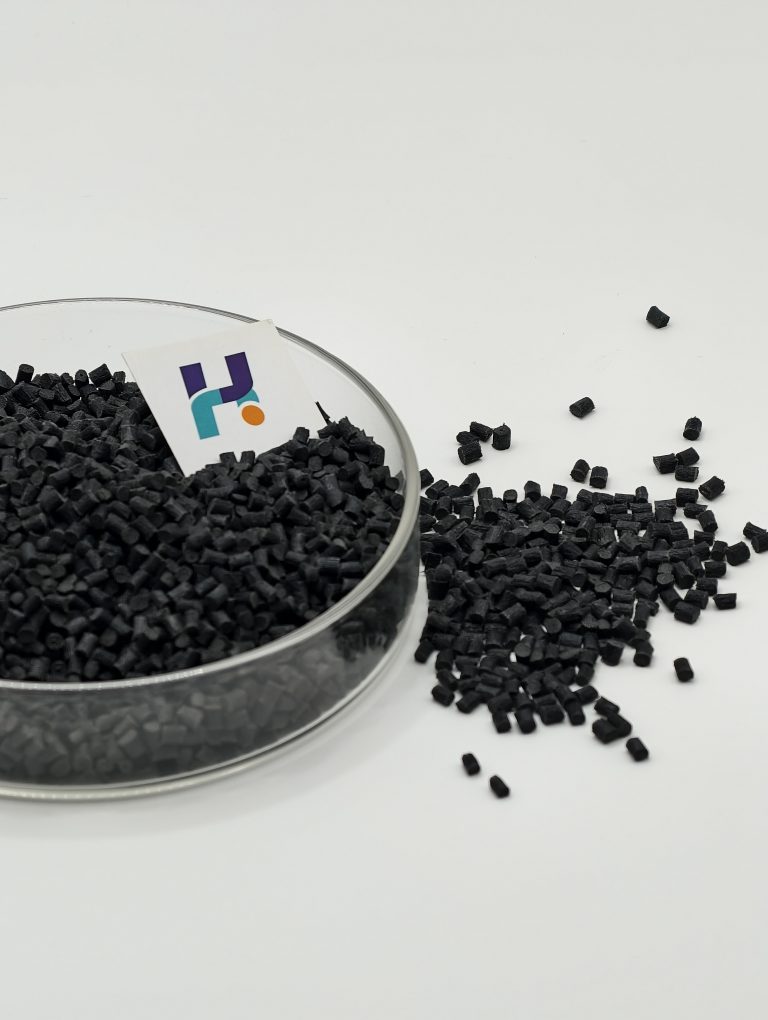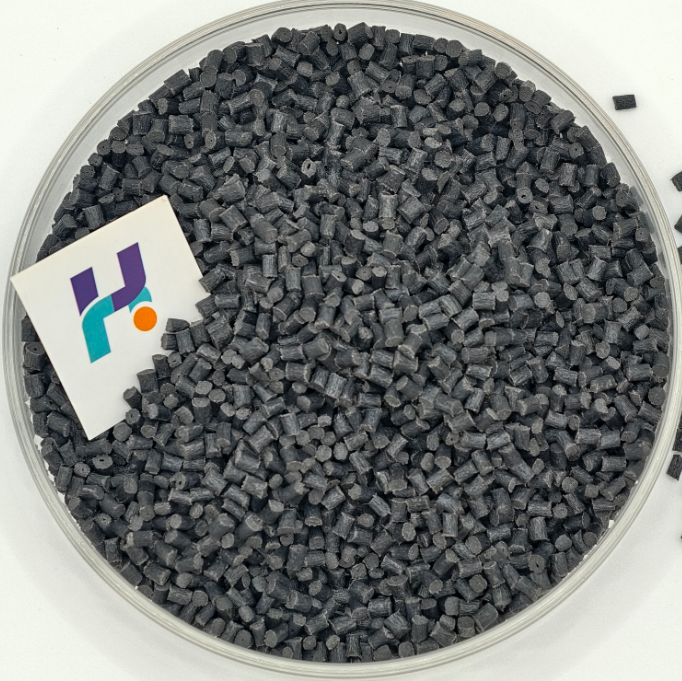
Humidifier Housings Need Antibacterial PP
Humidifiers create a high-risk environment for microbial growth:
-
Continuous exposure to warm water vapor
-
Condensation on internal and external surfaces

Antibacterial PP for Humidifier Housings -
Frequent human contact
-
Enclosed airflow paths
-
Long service life without frequent cleaning
Standard PP offers moisture resistance but does not prevent bacterial growth on surfaces.
Antibacterial PP addresses hygiene risks at the material level, not through coatings that wear off over time.
In humidifiers, failure is rarely mechanical —
it is odor, hygiene concern, biofilm formation, and consumer dissatisfaction.
Functional Requirements of Humidifier Housings
Critical Material Demands
-
Effective antibacterial performance
-
Stability under high humidity
-
No moisture absorption
-
Safe for household environments
-
Stable surface appearance over time
-
Cost-effective mass production
Antibacterial PP is designed for hygiene-driven consumer products, not structural load.
Antibacterial PP Outperforms Standard PP in Humidifiers
Engineering Advantages
Built-In Antibacterial Protection
Inhibits bacterial growth directly on the plastic surface.
Moisture-Stable Polymer Base

PP does not absorb water, preventing swelling or deformation.
Long-Lasting Effect
Antibacterial agents are integrated into the compound, not surface-coated.
Odor Reduction
Limits bacterial by-products that cause unpleasant smells.
Safe for Consumer Use
Formulations comply with household appliance safety standards.
Typical Antibacterial Systems Used in PP Humidifier Housings
Common antibacterial technologies include:
-
Silver-based agents → Broad-spectrum antibacterial performance
-
Zinc-based systems → Cost-effective hygiene control
-
Organic antibacterial additives → Low-migration solutions
Selection depends on target antibacterial rate, regulatory requirements, and cost positioning.
Material Selection Logic for Humidifier Housings
Step 1 — Is the product exposed to moisture continuously?
-
Yes → Antibacterial PP
-
No → Standard PP
Step 2 — Is hygiene a key selling point?
-
Yes → High-efficiency antibacterial PP
-
No → Standard antibacterial PP
Step 3 — Is cost sensitivity high?
-
Yes → Optimized antibacterial PP
-
No → Premium antibacterial system
Processing Considerations for Antibacterial PP Injection Molding
Processing Focus Points
-
Uniform melt temperature to preserve antibacterial agents
-
Balanced flow for consistent surface quality
-
Avoid excessive shear to maintain additive dispersion
-
Stable cooling to prevent surface defects
Typical Processing Range
-
Melt temperature: 200–230 °C
-
Mold temperature: 30–60 °C
-
Drying: Not required
-
Shrinkage: 0.5–1.0%
Antibacterial PP vs Alternative Materials
| Material | Antibacterial Function | Moisture Resistance | Cost | Durability |
|---|---|---|---|---|
| Antibacterial PP | Built-in | Excellent | Low | High |
| Coated Plastics | Surface only | Medium | Medium | Low |
| ABS | Limited | Medium | Medium | Medium |
| PC | None | Medium | High | High |
For humidifier housings, built-in hygiene is more reliable than surface treatment.