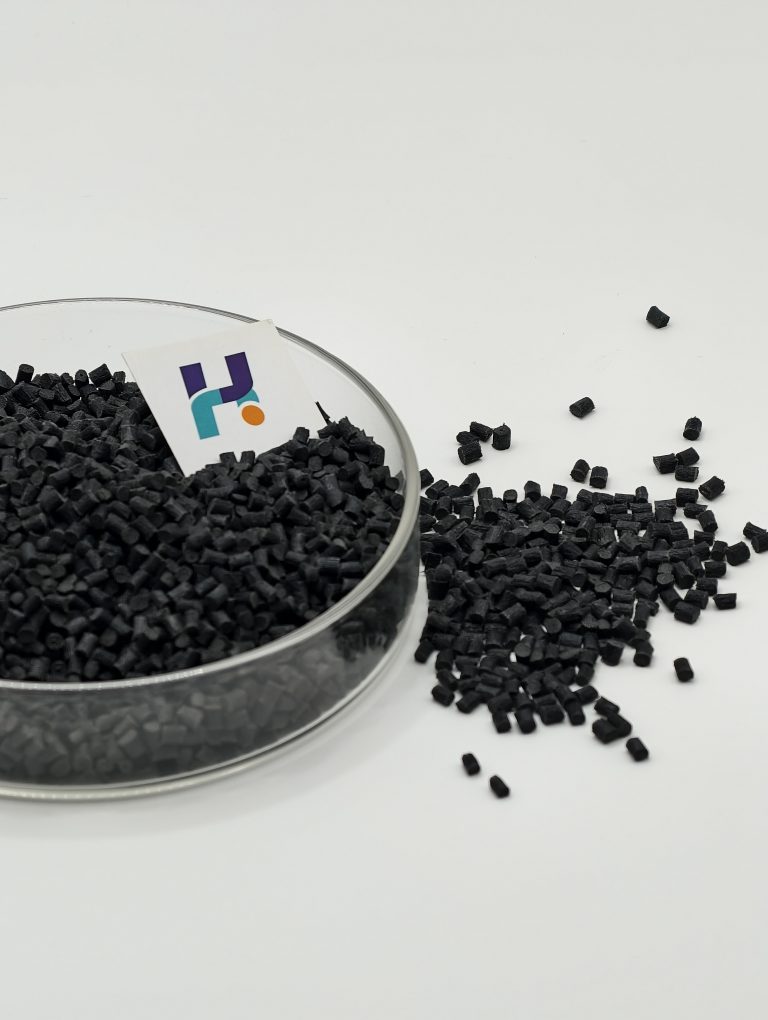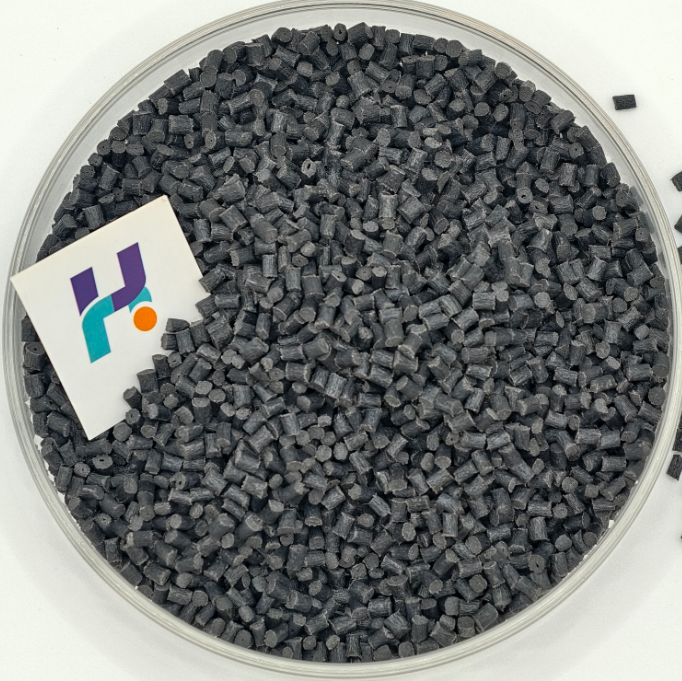
Antibacterial Polypropylene
Hygienic PP for Medical, Appliance & Consumer Applications
Antibacterial PP is designed for applications where surface hygiene, microbial control, and long-term cleanliness are essential. By incorporating antimicrobial agents into the polypropylene matrix, this material actively inhibits bacterial growth on molded parts throughout their service life.
Compared with standard PP, antibacterial PP reduces odor formation, surface contamination, and bacterial proliferation. Compared with reinforced PP grades, it prioritizes functional hygiene performance rather than mechanical reinforcement.
Material Composition & Antibacterial Mechanism
Material Composition Overview
-
Base Polymer: Polypropylene (PP)
-
Antibacterial System: Inorganic (e.g. silver-based) or organic antimicrobial agents
-
Antibacterial Effect: Contact-based inhibition
-
Optional Additives:
-
UV stabilizer
-
Heat stabilizer
-
Impact modifier
-
Anti-aging additives
-
-
Color Options: Natural, white, black, customized
The antibacterial function is built into the material, not applied as a surface coating.
Core Advantages: Hygiene, Durability & Safety
Engineering Advantages
Long-Term Antibacterial Performance
Antimicrobial agents are dispersed throughout the material, ensuring lasting effectiveness.
Odor Reduction
Limits bacterial-related odor development in enclosed environments.
Safe & Non-Leaching
Designed to remain stable within the polymer matrix during normal use.
Chemical Resistance
Retains PP’s resistance to detergents, cleaners, acids, and alkalis.
Lightweight & Moisture-Stable
No moisture absorption, maintaining stable dimensions in humid conditions.
Manufacturing & Commercial Advantages
Compatible with Standard Injection Molding
Processes similarly to conventional PP grades.
No Secondary Coating Required
Antibacterial function is integrated into the material.
Cost-Efficient Hygiene Solution
Lower system cost compared with coated or multi-material solutions.
Stable Performance in Mass Production
Consistent antibacterial effect across production batches.
Typical Application Areas
|
|
|
|


Home Appliances
-
Refrigerator components
-
Washing machine panels
-
Water-related plastic parts
Used where cleanliness and odor control matter.
Medical & Healthcare
-
Non-implant medical components
-
Equipment housings
-
Medical storage containers
Suitable for hygiene-sensitive environments.
Consumer Products
-
Food containers (non-direct contact grades)
-
Daily-use plastic items
-
Storage boxes and accessories
Enhances user confidence and product value.
Processing Performance & Injection Molding Guidelines
Typical Processing Parameters
-
Melt Temperature: 190–230°C
-
Mold Temperature: 30–60°C
-
Drying: Not required
-
Injection Speed: Medium
-
Shrinkage: 0.6–1.0%
Processing conditions should avoid excessive thermal degradation of antimicrobial additives.
OEM / ODM Customization Capabilities
Customization Options
-
Antibacterial system type
-
Antibacterial efficiency level
-
Impact-modified grades
-
UV-stabilized outdoor grades
-
Color customization
OEM Support Services
-
Antibacterial performance verification
-
Application-based material selection
-
Prototype sampling
-
Long-term supply assurance
Technical Specification – Antibacterial PP (Typical)
| Property | Test Standard | Typical Value |
|---|---|---|
| Density | ISO 1183 | 0.90–1.05 g/cm³ |
| Tensile Strength | ISO 527 | 30–40 MPa |
| Flexural Strength | ISO 178 | 55–75 MPa |
| Flexural Modulus | ISO 178 | 1,300–2,200 MPa |
| Notched Izod Impact | ISO 180 | 3–6 kJ/m² |
| Heat Deflection Temp. | ISO 75 | 100–130°C |
| Antibacterial Rate | ISO 22196 | ≥99% |
| Chemical Resistance | — | Excellent |
FAQ
Q1: How does antibacterial PP differ from standard PP?
Antibacterial PP actively inhibits bacterial growth on its surface, while standard PP does not.
Q2: Is the antibacterial effect permanent?
Yes. The antimicrobial agents are integrated into the material, providing long-term performance.
Q3: Does antibacterial PP affect processing?
No. It can be processed using standard PP injection molding conditions.
Q4: Is antibacterial PP safe for daily-use products?
Yes. It is commonly used in appliances and consumer products where hygiene is required.
Q5: Can antibacterial PP be customized?
Yes. Antibacterial level, additives, and appearance can be adjusted for OEM needs.