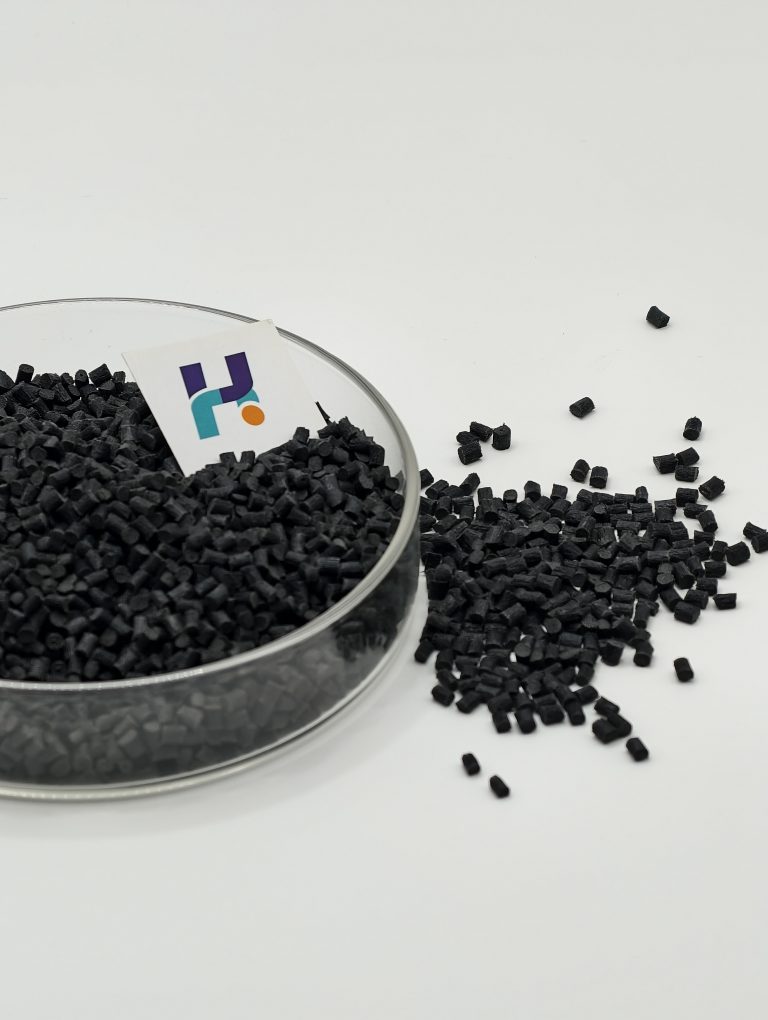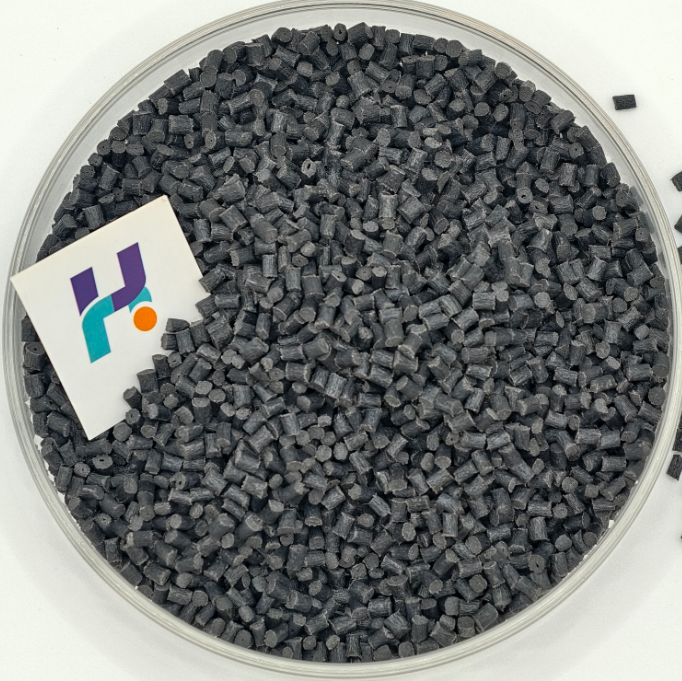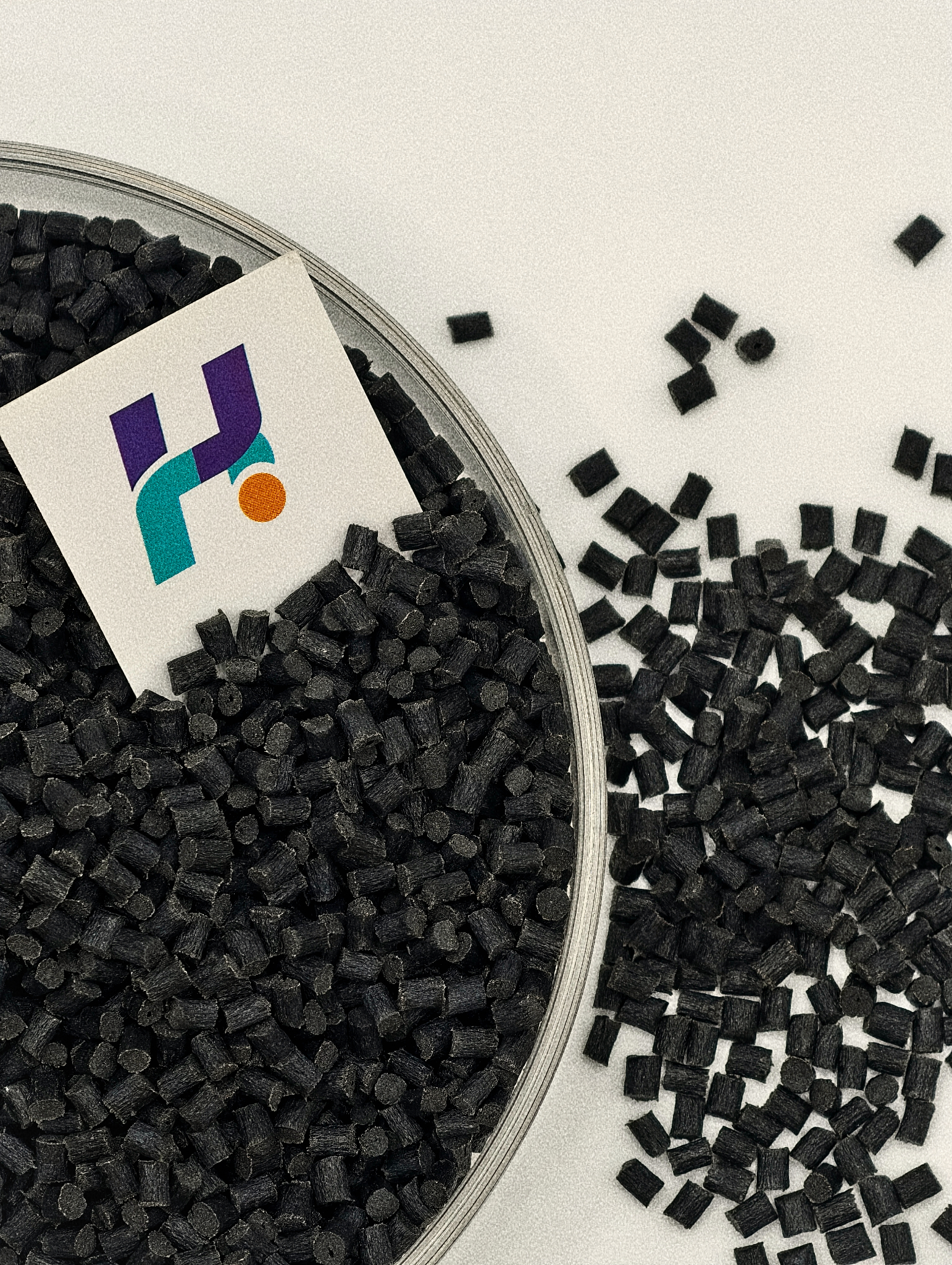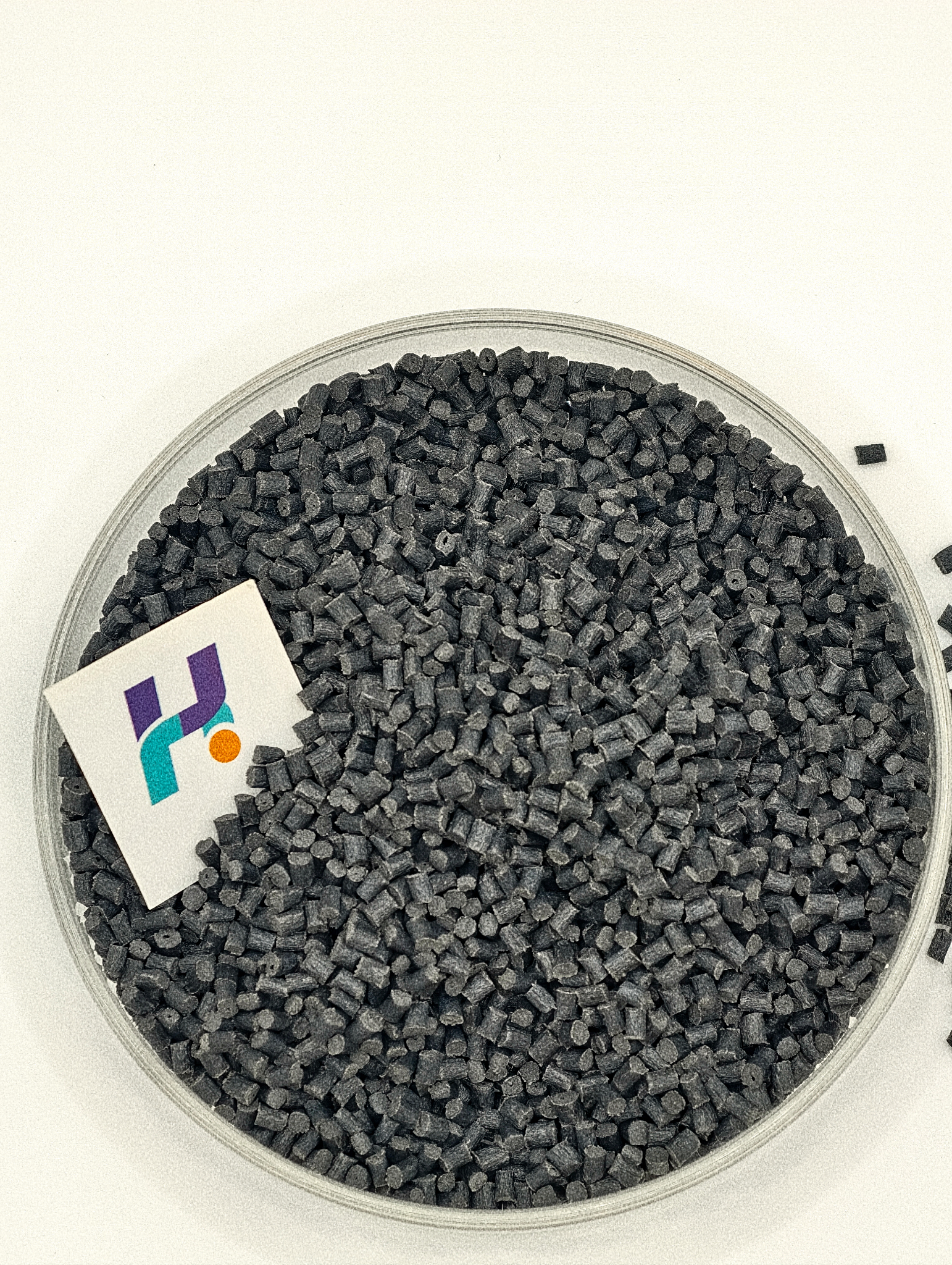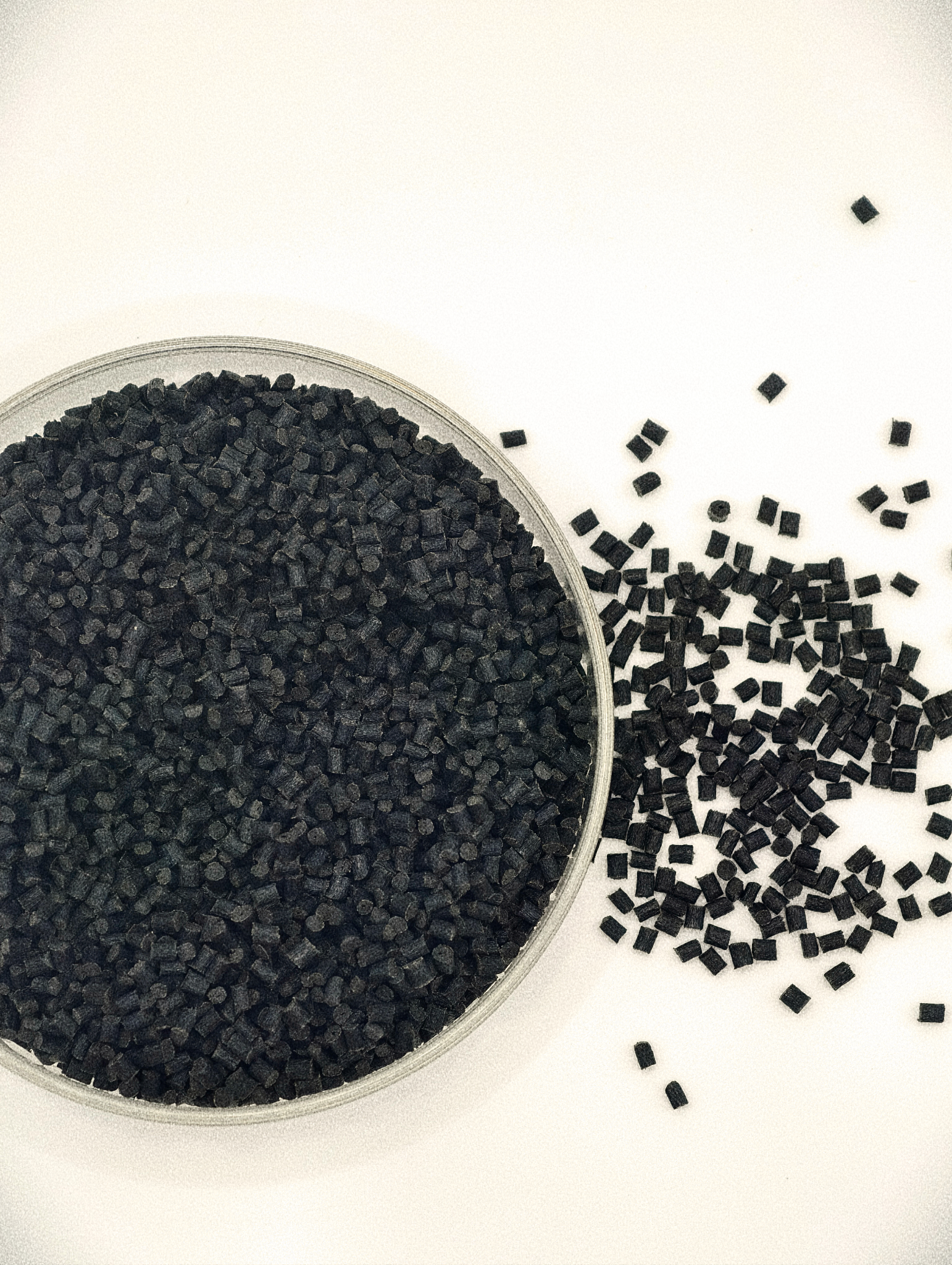
Mineral-filled Nylon 6 pellets engineered for low warpage, stable balance, and durable rotation in wet, hot, detergent environments.
A washing machine pulsator (also called an impeller, turbine, or agitator plate) is one of those parts that looks simple—until it’s running at speed, in hot water, with detergent, for years. The cost drivers are rarely “tensile strength.” They are:
-
warpage that causes wobble, noise, or rubbing
-
dimensional drift that ruins fit at the hub or spline
-
blade angle changes that reduce wash performance
-
fatigue and creep from repeated start/stop torque cycles
-
chemical + hot water aging that weakens the part over time
-
mass-production stability: one tool, many cavities, minimal sorting
Filled-reinforced PA6 is designed to make this part boring in production: consistent geometry, repeatable balance, predictable assembly, and fewer field issues.
What “Filled-Reinforced PA6” Means Here
For pulsators, “filled reinforced PA6” typically refers to mineral-filled PA6 (e.g., talc/mineral fillers), sometimes combined with stabilizers and optional friction modifiers.
Why mineral-filled PA6 fits pulsators:
-
lower shrink / better dimensional stability than unfilled PA6
-
higher stiffness → keeps blade geometry and hub alignment stable
-
low warpage-oriented behavior when compounded for shrink balance
-
cost-effective reinforcement for large, high-volume parts
If you need maximum stiffness, PA6 GF can be an option—but for wide parts like pulsators, mineral-filled PA6 often gives a better “flatness + stability” outcome with less fiber orientation risk and less surface fiber read.
Core Selling Points
A) Low warpage for large, thin, ribbed geometry
Engineering: mineral fillers reduce shrink and can help stabilize warpage behavior.
Buyer value: less wobble/noise, less sorting, easier assembly.
B) High stiffness for blade angle and wash performance stability
Engineering: increased modulus helps blades hold shape under load and temperature.
Buyer value: more consistent washing performance, fewer complaints about “weak agitation.”
C) Dimensional stability at hub / insert interfaces
Engineering: better creep control and shrink stability helps keep spline/insert fit consistent.
Buyer value: fewer looseness issues, fewer warranty returns.
D) Production stability in multi-cavity tooling
Engineering: predictable flow and shrink reduce cavity-to-cavity variation.
Buyer value: higher yield, fewer parameter adjustments, faster ramp to mass production.
Typical Applications
-
Top-load washing machine pulsators / impellers
-
Agitator plates / turbine wheels (plastic impellers for wash action)
-
Hub carriers and internal structural rings in wash assemblies


Performance Target Map
Actual values depend on filler type/ratio, stabilizers, color, and molding conditions.
| Attribute (pulsator needs) | Unfilled PA6 | Mineral-Filled PA6 (This Grade) | Why it matters |
|---|---|---|---|
| Warpage control / flatness | Medium | Better | less wobble & noise |
| Stiffness / blade shape hold | Medium | Higher | stable wash performance |
| Dimensional stability | Medium | Better | hub fit consistency |
| Creep resistance | Medium | Improved | long-term hub stability |
| Hot water / detergent aging | Grade-dependent | Tunable (stabilized options) | long-life reliability |
| Surface / appearance | Good | Good | acceptable for visible parts |
Engineering Notes That Actually Decide Success
1) Warpage is a system outcome (material + gate + cooling)
For large plates, flatness depends on:
-
gate design and flow balance
-
uniform cooling (avoid hot spots and uneven crystallization)
-
packing consistency (repeatability beats “more pressure”)
Mineral-filled PA6 helps, but the mold and process must support it.
2) Moisture conditioning (PA6 reality you should plan for)
PA6 is hygroscopic. Moisture uptake can influence dimensions and stiffness slightly. For pulsators, it’s smart to define:
-
measurement condition (as-molded vs conditioned)
-
tolerance zones at hub interface that account for equilibrium moisture
-
packaging/storage guidance if needed
When this is specified early, PA6-based pulsators can be highly consistent.
3) Long-term aging in hot detergent water
If the washer is expected to run hot cycles frequently, consider OEM options:
-
heat-aging stabilization
-
hydrolysis-resistance tuning (project-dependent)
-
formulation strategy to keep long-term toughness stable
Processing Notes
Filled PA6 generally requires good drying and stable processing discipline.
Practical starting points (typical):
-
Drying: required (protects surface, flow, and mechanical performance)
-
Melt temperature: stay within a stable PA6 processing window; avoid overheating to reduce degradation
-
Mold temperature: keep consistent across the large tool to stabilize shrink and flatness
-
Injection profile: avoid hesitation in wide flow fronts; balance speed/pressure for weld-line strength
-
Venting: important for large plates to avoid burns and trapped gas
QC checks that prevent surprises:
-
flatness/warp gauge fixture check
-
hub fit gauge (spline/insert interface)
-
rotating balance check (simple run-out / wobble assessment)
-
lot tracking of shrink and MFR
OEM Customization Options
For washing machine pulsators, the most useful “conversion-friendly” options are:
-
Low warpage formulation route (shrink-balance focus for large plates)
-
Hot water / detergent aging stability (heat-aging / hydrolysis-resistant direction, if needed)
-
Wear / friction tuning (hub contact areas, low-friction modifiers if required)
-
Impact/toughness tuning (if ribs/weld lines crack under torque cycling)
-
Color matching (white/gray/black; lot stability goals)
Product Details
| Item | Description |
|---|---|
| Product name | Filled-Reinforced PA6 for Washing Machine Pulsators / Impellers |
| Material type | Mineral-filled Nylon 6 (PA6) |
| Form | Pellets for injection molding |
| Core strengths | low warpage, high stiffness, dimensional stability, mass-production consistency |
| Optional focus | aging stability (hot detergent water), wear/friction tuning, toughness tuning, color control |
| Typical parts | pulsator/impeller/turbine plates, agitator plates, hub carriers |
| Supply model | standard grade + OEM custom compounding |
What You Should Provide
No sensitive brand info needed—just engineering facts:
-
pulsator diameter + thickness range (and rib density)
-
hub interface type (spline/insert/fastener) and critical dimensions
-
max operating condition: hot water cycle temp range, detergent exposure, expected life cycles
-
main failure mode: warpage/wobble, hub looseness, cracking at ribs, noise
-
surface requirement: glossy/matte, color, visible vs hidden
-
mold notes (if any): gate type/position, cavity count, cooling constraints
If you only provide diameter + thickness + failure mode + a photo, that’s enough to start.
FAQ
Q1: What is filled-reinforced PA6 for washing machine pulsators?
A1: It is a mineral-filled Nylon 6 (PA6) injection molding compound designed to improve stiffness, dimensional stability, and warpage control for large pulsator/impeller plates operating in wet, detergent, and heat-cycle environments.
Q2: Why choose mineral-filled PA6 instead of unfilled PA6 for a pulsator?
A2: Mineral-filled PA6 typically provides better flatness and dimensional repeatability, higher stiffness to hold blade geometry, and more stable hub fit—reducing wobble, noise, and assembly variation in mass production.
Q3: Will PA6 moisture absorption affect pulsator dimensions?
A3: PA6 is hygroscopic, so moisture uptake can influence dimensions over time. This is managed by defining the measurement condition (as-molded vs conditioned), setting appropriate tolerances at the hub interface, and controlling storage/conditioning methods when required.
Q4: How does this material help reduce wobble and noise?
A4: By improving stiffness and shrink stability, mineral-filled PA6 helps maintain plate flatness and hub alignment. Combined with balanced gating and uniform cooling, it reduces warpage-driven wobble that can create noise during operation.
Q5: Can the grade be customized for hot water and detergent aging?
A5: Yes. OEM compounding options can include heat-aging stabilization and project-specific hydrolysis-resistance direction, helping maintain performance in long-life hot detergent water cycles.
Q6: What information should I provide for a fast recommendation?
A6: Provide pulsator diameter, thickness range, rib design intensity, hub interface type, operating temperature range, key failure mode (warpage/wobble, hub looseness, cracking), and any gate/cooling constraints. A photo plus key dimensions is often enough.