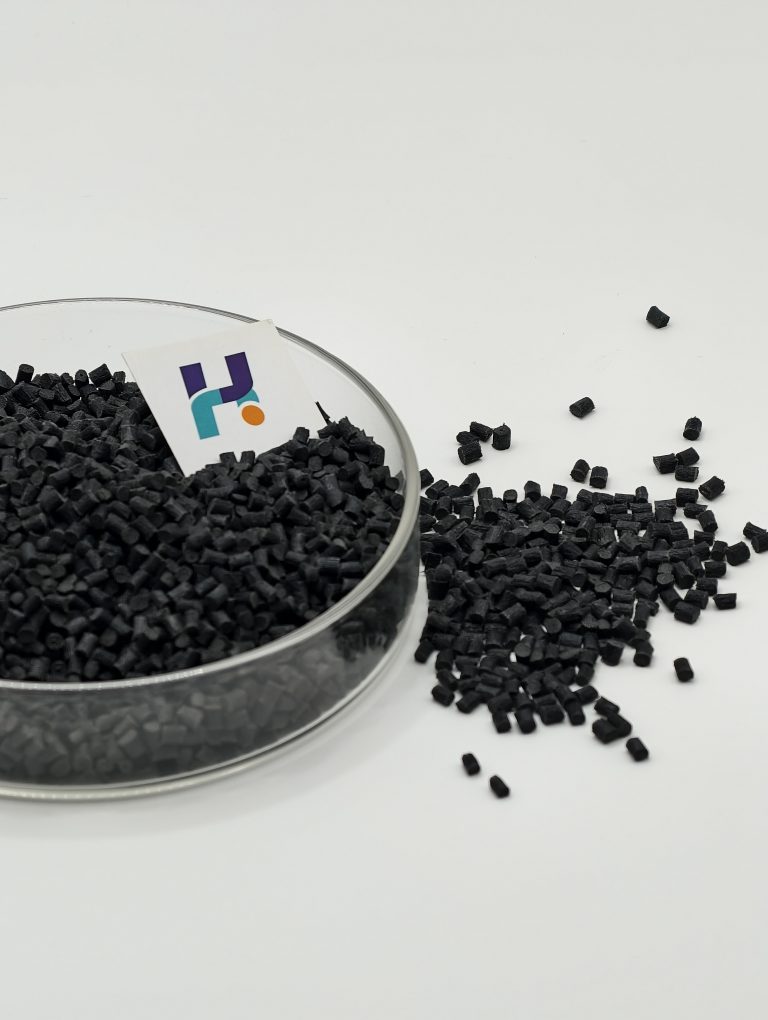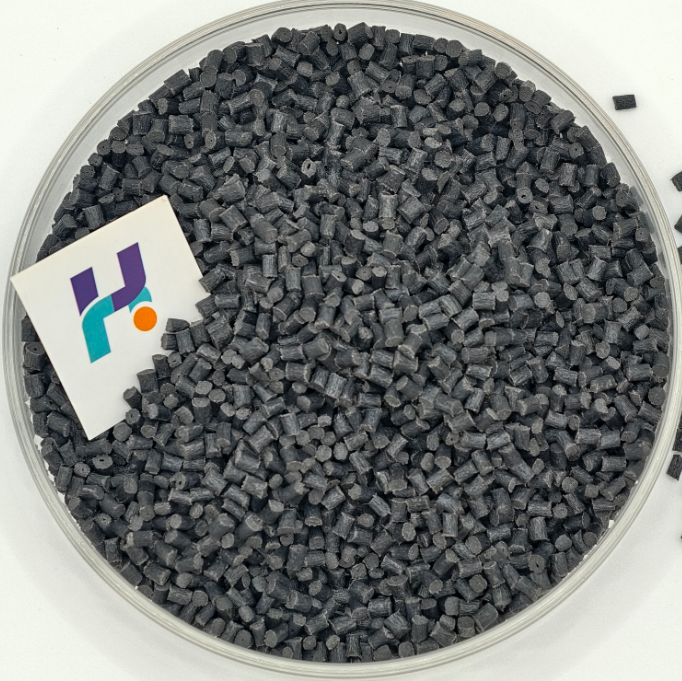
Flame Retardant PC (UL94 V0)
Fire-Safe Polycarbonate for Critical Applications

Flame Retardant PC is engineered to combine fire safety compliance with the inherent advantages of polycarbonate: high impact resistance, good heat resistance, and stable dimensional accuracy. By incorporating advanced flame retardant systems into the polymer matrix, this material achieves UL94 V0 performance — making it ideal for applications where fire risk mitigation is essential.
Flame Retardant System & Material Composition
Flame Retardant PC typically uses a halogen-free flame retardant formulation to meet modern safety and environmental standards.
Material Composition Overview
-
Base Polymer: Polycarbonate (PC)
-
Flame Retardant System: Halogen-free, low smoke
-
Compliance: UL94 V0 / V2 (depends on grade / thickness)
-
Optional Additives:
-
Heat stabilizers
-
UV stabilizers
-
Impact modifiers
-
Colorants
-
-
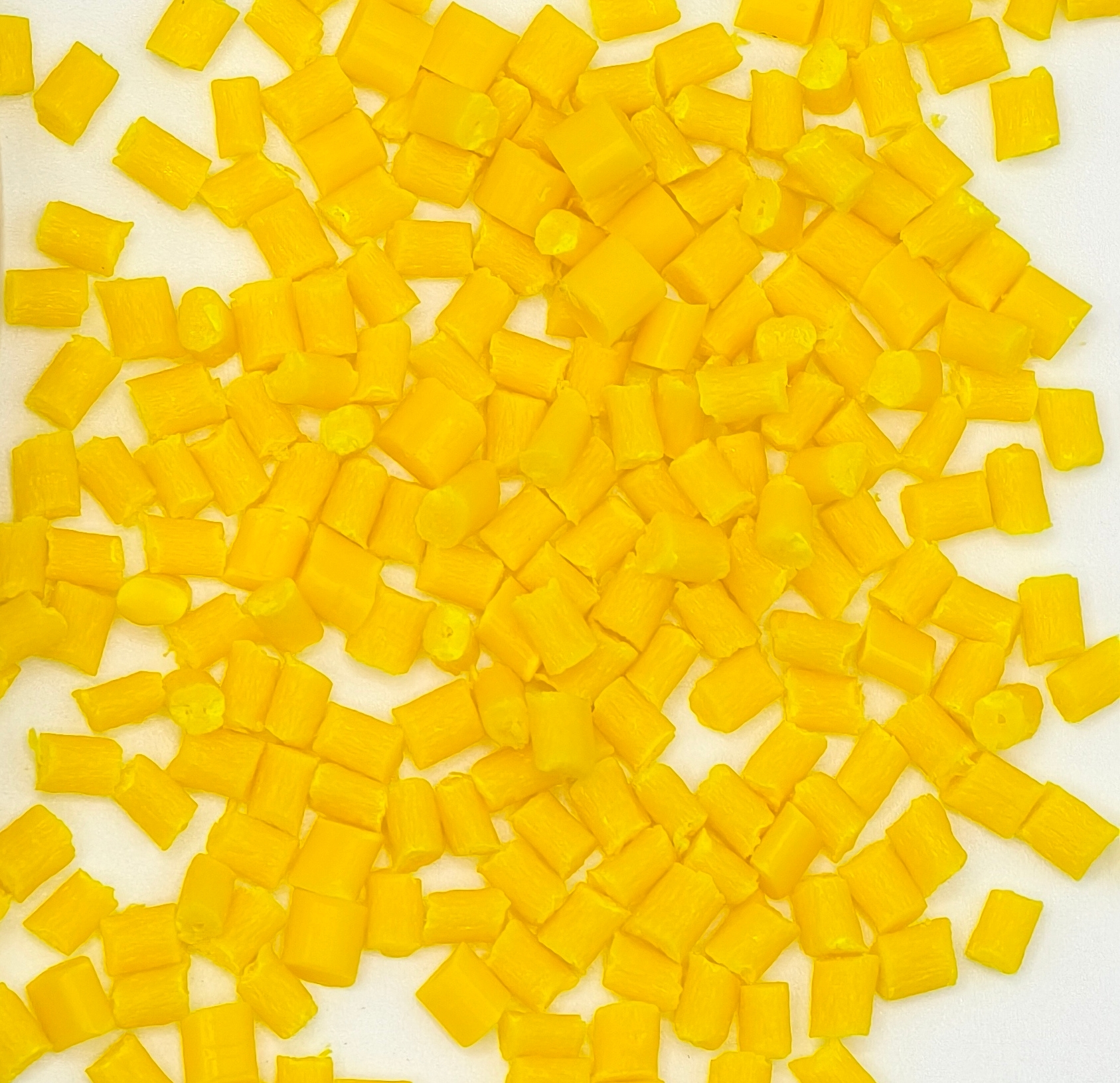
Color Options: Natural, black, customized
Core Advantages: Fire Safety + Engineering Performance
Engineering Advantages
-
Reliable Flame Retardancy (UL94 V0)
Self-extinguishing behavior reduces fire propagation risk. -
Excellent Impact Resistance
Maintains toughness even after flame retardant enhancement. -
Good Heat Resistance
Suitable for elevated-temperature environments. -
Stable Electrical Insulation
Ideal for electrical and electronic structural components.
Manufacturing & Commercial Advantages
-
Compatible with standard injection molding
-
Predictable processing behavior
-
Supports complex geometry and thin-wall designs
-
OEM-ready with customization options
Typical Application Fields of Flame Retardant PC
A Electrical & Electronics
-
Power Distribution Housings
Flame safe enclosures for breakers, switchgear, and power modules. -
Connectors & Socket Covers
Improved safety and dimensionally stable structural parts. -
Control Panels & Switchgear
Self-extinguishing support prevents fire propagation.
Connectors
B. Automotive Components
-
Interior Electrical Housings
Safety-critical connectors, relays, and sensor housings. -
Instrument Panel Structures
Flame retardant support for electrical integrations. -
Under-Seat & Junction Boxes
Fire-safe thermo-mechanical performance.

C. Industrial Equipment
-
Industrial Machine Covers
Structural flame resistant panels for machinery guards. -
Control Box & Display Housing
Safer enclosures in manufacturing environments. -
Automation Equipment Frameworks
Parts exposed to mechanical vibration and elevated temperature.
Control Box
D. Consumer & Commercial Products
-
Appliance Structural Parts
Oven control panels, power tool housings, and safety devices. -
Charging Stations & Power Modules
Flame retardancy required by electrical safety standards. -
Medical Device Housings
UL94 V0 compliance for patient safety components.

Processing Performance & Injection Molding Guidelines
Flame Retardant PC processes similarly to regular PC but requires:
-
Melt Temperature: 260–300 °C
-
Mold Temperature: 90–120 °C
-
Drying: 120 °C for 3–4 hours
-
Injection Speed: Medium–High
-
Shrinkage: 0.4–0.6%
Proper drying and mold temperature control are essential for surface quality and mechanical stability.
Technical Specification – Flame Retardant PC
| Property | Test Standard | Typical Value |
|---|---|---|
| Density | ISO 1183 | 1.20–1.25 g/cm³ |
| Tensile Strength | ISO 527 | 60–70 MPa |
| Impact Resistance | ISO 180 | 6–9 kJ/m² |
| Heat Deflection Temp | ISO 75 | 130–150°C |
| Flame Rating | UL94 | V0 |
OEM / ODM Customization Capabilities
Available Customizations
-
Flame retardant grades: UL94 V0 / V2
-
Halogen-free low smoke formulations
-
UV–stabilized grades for near-window or shaded outdoor use
-
Color & surface finish customization
-
Enhanced impact or heat stabilized grades
Support Services
-
Application performance consultancy
-
Prototype sampling & mechanical validation
-
Long-term supply and quality consistency
FAQ
Q1: What makes Flame Retardant PC different from standard PC?
Flame Retardant PC adds fire safety functionality using a flame-retardant system to achieve UL94 V0 or V2 compliance without compromising mechanical performance.
Q2: Is UL94 V0 required for all electrical housings?
Not always—requirements vary by standard. UL94 V0 is typically required for critical electrical safety components.
Q3: Does flame retardant affect impact performance?
Flame retardant additives can slightly influence impact resistance, but PC retains high toughness compared to many other plastics.
Q4: Can Flame Retardant PC be used outdoors?
Yes—with appropriate UV stabilizers for weather resistance.
Q5: Can Flame Retardant PC be customized for OEM applications?
Yes. Flame rating, color, thermal or UV performance can be tailored to requirements.