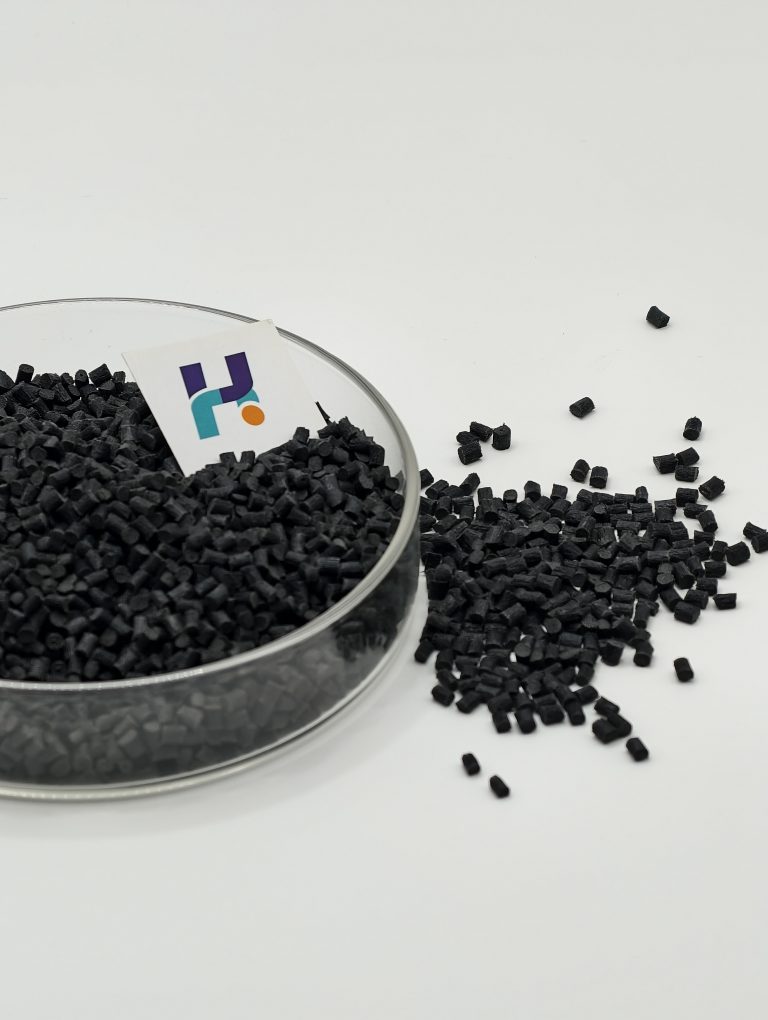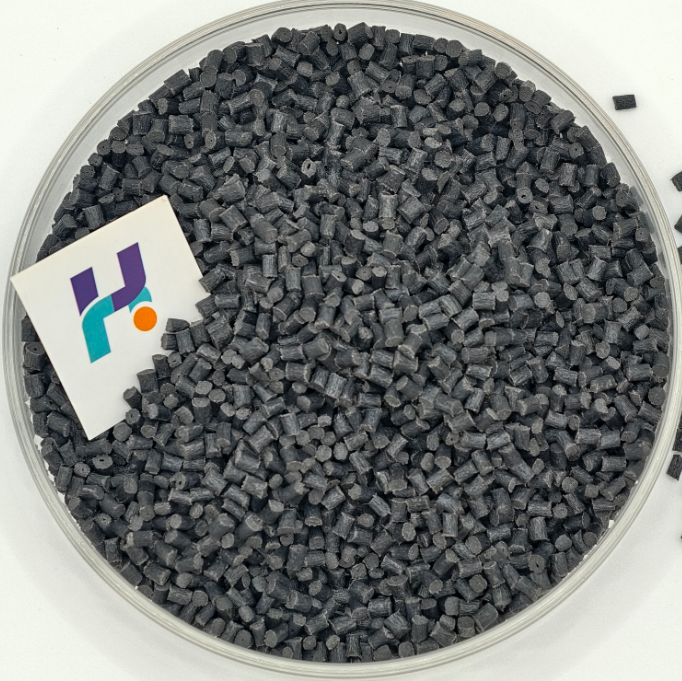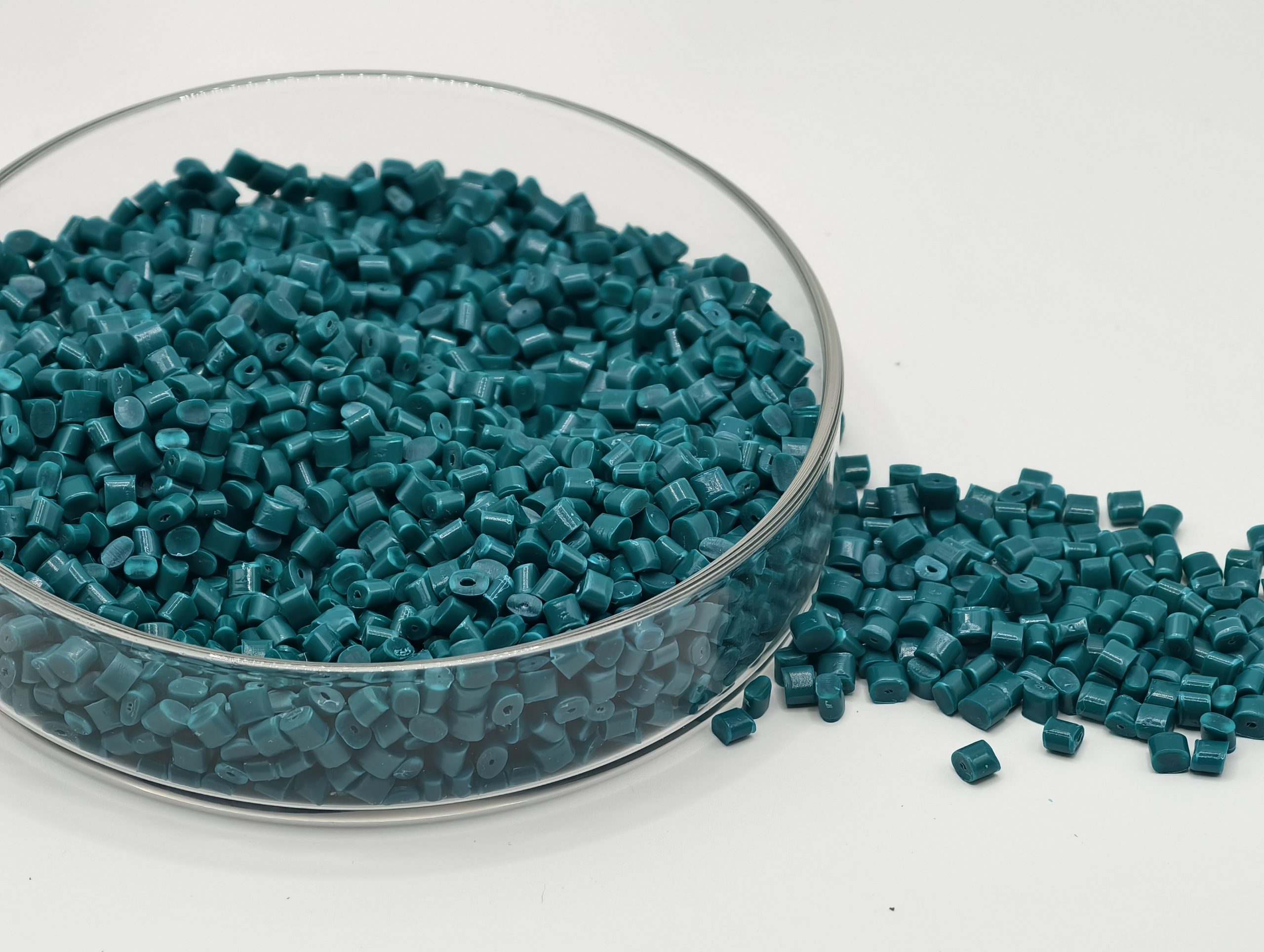
FR reinforced Nylon 6 pellets for breaker shells that need V-0-level safety, rigid structure, and calm mass production.
A circuit breaker housing is a safety part first, a production part second, and a cost part third. The tough reality is: many projects can “pass UL94 once,” but struggle to hold stability in mass production—warpage around terminal areas, brittle failures at snap features, inconsistent filling in thin walls, or dimensional drift that ruins assembly.
A good FR reinforced PA6 grade is not only about flame rating. It’s about making sure you can:
-
keep screw boss geometry stable
-
protect terminal alignment and creepage/clearance geometry
-
survive assembly stress at snaps and ribs
-
keep batch-to-batch consistency so approval matches production
FR reinforced Nylon 6 pellets for breaker shells that need V-0-level safety, rigid structure, and calm mass production.
A circuit breaker housing is a safety part first, a production part second, and a cost part third. The tough reality is: many projects can “pass UL94 once,” but struggle to hold stability in mass production—warpage around terminal areas, brittle failures at snap features, inconsistent filling in thin walls, or dimensional drift that ruins assembly.
A good FR reinforced PA6 grade is not only about flame rating. It’s about making sure you can:
-
keep screw boss geometry stable
-
protect terminal alignment and creepage/clearance geometry
-
survive assembly stress at snaps and ribs
-
keep batch-to-batch consistency so approval matches production
1) Warpage around terminals and long walls
Breaker shells often have asymmetrical thickness, ribs, and large flat areas. Reinforcement helps, but fiber orientation + cooling imbalance can create warp that breaks assembly fit or creepage/clearance geometry.
2) Brittleness at snaps, bosses, and weld lines
Some FR systems (and high reinforcement) can reduce toughness. The result is broken clips, boss cracking, or failures at knit lines—even when flame rating is fine.
3) Thin-wall filling instability
Modern breakers push thin walls for compact design. If flow and venting are not stable, you see short shots, burn, or cosmetic/functional defects.
4) Heat aging and electrical environment stress
Breaker housings see heat from current flow, contact heating, and long-term thermal exposure. Dimensional stability and retention matter, not just initial strength.
What “FR Reinforced PA6” Means for Breaker Housings
This material family is a Nylon 6 (PA6) base with:
-
flame retardant system (designed for UL94 targets and electrical safety scenarios)
-
reinforcement (commonly glass fiber) to increase rigidity and reduce deformation
-
stabilizer packages for processing stability and long-term performance
Core Selling Points
1) High flame performance for electrical housings
Engineering: designed to meet flame-retardant requirements with controlled processing stability.
Buyer value: easier certification path and fewer late-stage test surprises.
2) High rigidity for stable geometry (screws, terminals, fit)
Engineering: reinforcement increases stiffness and improves deformation resistance under load/heat.
Buyer value: stable assembly, less rework, tighter dimensional consistency.
3) Low-warpage-oriented formulation route (project-driven)
Engineering: shrink-balance strategy helps control warp in long walls and ribbed geometry.
Buyer value: calmer production, fewer cavity-to-cavity variations.
4) Production stability (batch consistency that procurement cares about)
Engineering: dispersion control + controlled MFR window reduces instability and defects.
Buyer value: higher yield, less parameter chasing, more predictable supply.
Typical Breaker Housing Applications
-
miniature circuit breaker (MCB) housings
-
molded case circuit breaker (MCCB) shells (grade depends on heat/mechanics)
-
electrical switchgear internal insulation covers
-
terminal blocks and structural insulation frames (depending on design)


Performance Target Map
Exact values depend on FR system, reinforcement level, color, and test standards.
| Requirement (breaker housing) | Unreinforced FR PA6 | FR Reinforced PA6 (This Grade) | Why it matters |
|---|---|---|---|
| Rigidity / dimensional hold | Medium | High | stable screw bosses & fit |
| Warpage control potential | Medium | Better (system-dependent) | assembly stability |
| Heat deformation resistance | Medium | Improved | hot spots near terminals |
| Flame behavior (UL94 targets) | Good | Good–Excellent | safety compliance |
| Weld-line durability | Medium | Tunable | snaps, ribs, thin walls |
| Process stability | Medium | Improved | mass production yield |
OEM Customization Options
To keep it conversion-friendly, list the options buyers actually request:
-
UL94 V-0 thickness-target design (project-based)
-
Low warpage route (shrink-balance, housing flatness focus)
-
Thin-wall flow tuned (for compact breaker shells)
-
Weld-line strength reinforced (snap/boss reliability)
-
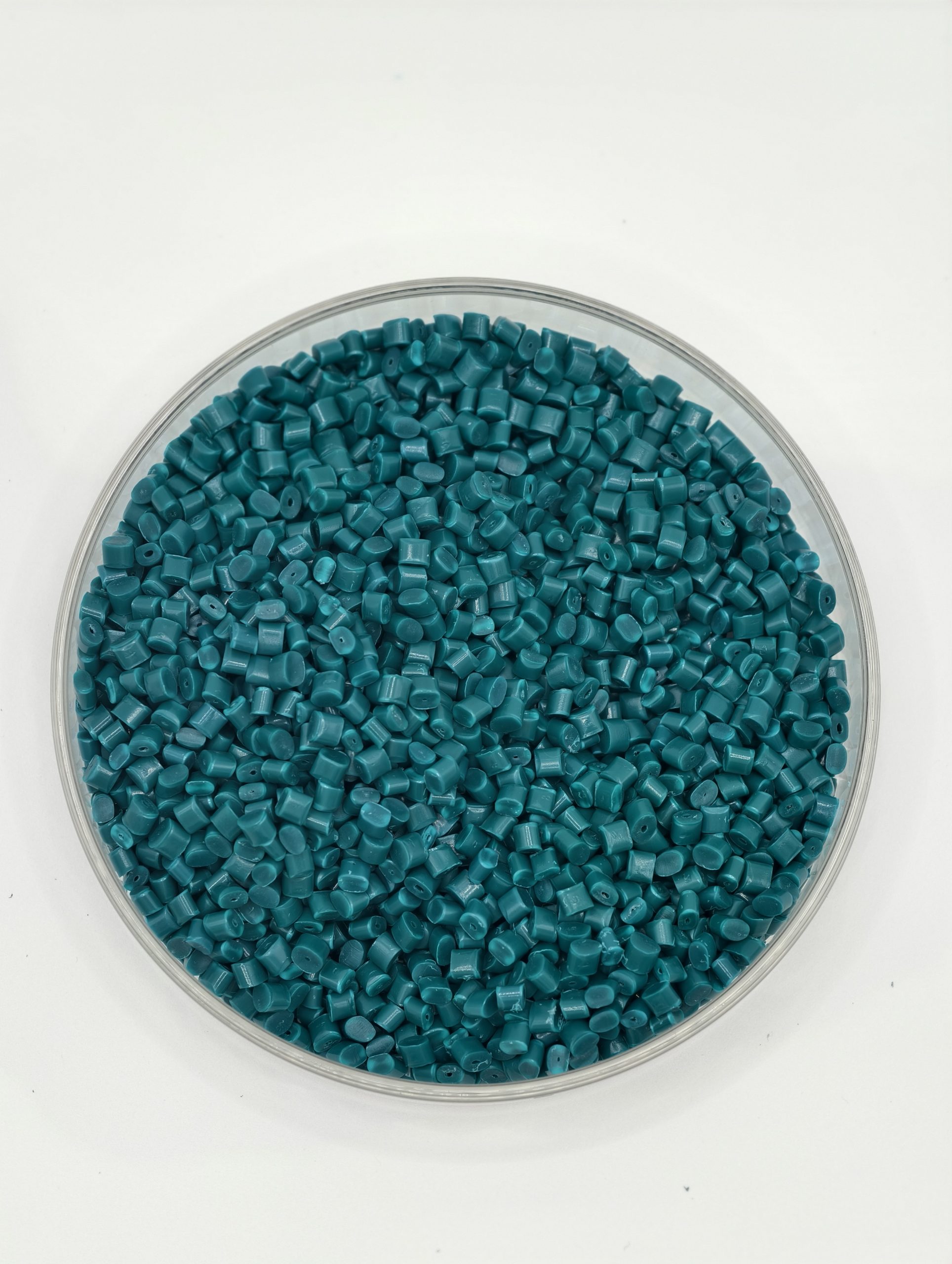
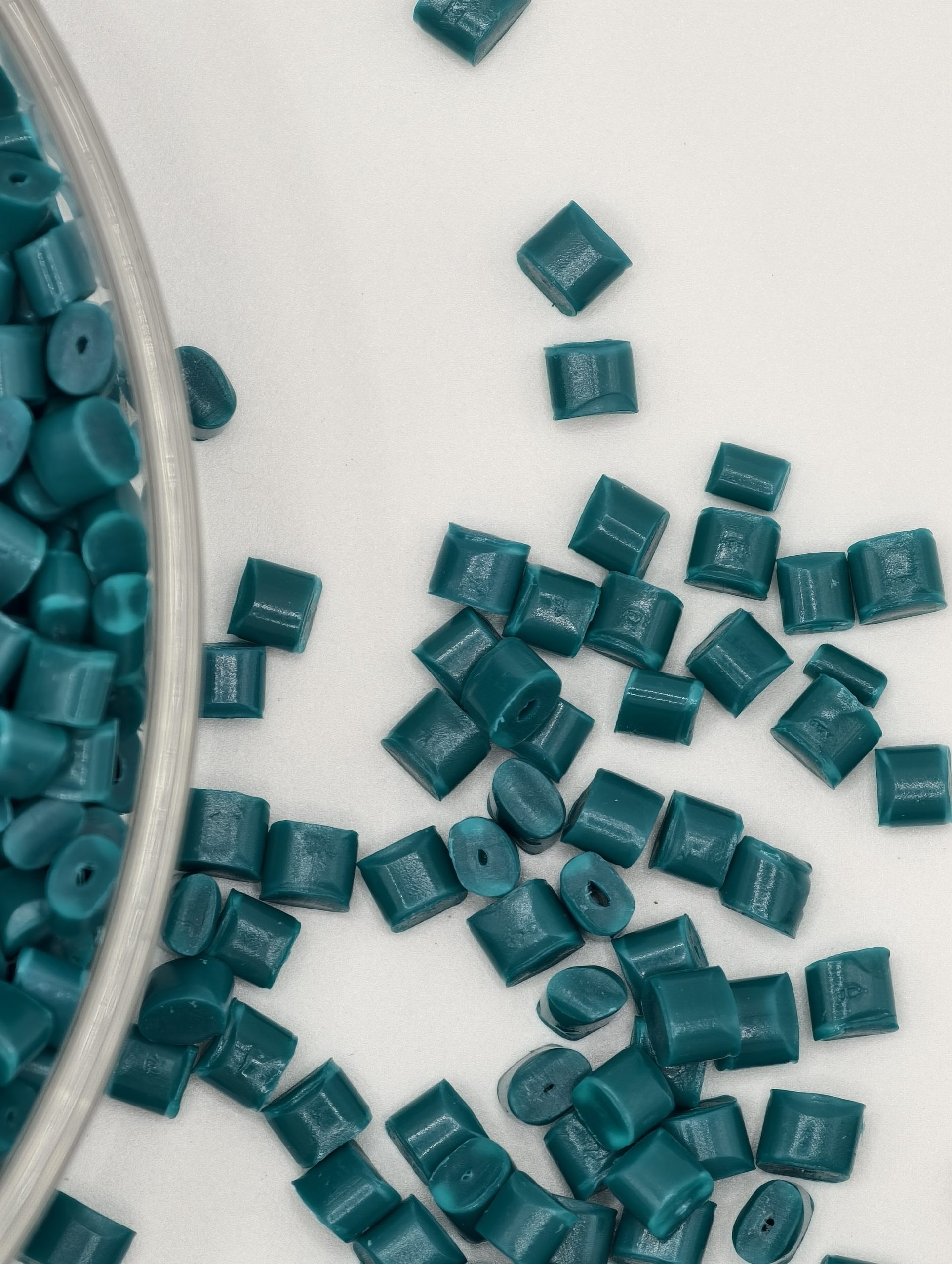
Color options (black/gray; lot stability control)
-
Electrical compliance documentation support (RoHS/REACH, etc., as applicable)
If glow-wire or specific IEC scenarios are part of your customer’s spec, tell us upfront so we tune the formulation direction accordingly.
Processing Notes
FR reinforced PA6 is sensitive to moisture and melt history. Stable molding is how you keep both flame and mechanical performance consistent.
Practical starting points:
-
Drying: required (avoid splay, property loss, and variability)
-
Melt temperature: stay within a stable window (avoid overheating that can degrade FR package)
-
Mold temperature: keep consistent to stabilize shrink and weld-line strength
-
Injection speed: medium-to-high for thin-wall stability, avoid hesitation
-
Venting: critical—burn marks and trapped gas can ruin both appearance and consistency
Quality checks that matter for breaker housings:
-
critical dimensions at terminal and screw-boss zones
-
warpage/flatness fixtures for long walls
-
weld-line strength checks near snaps
-
lot-to-lot tracking: MFR, shrink, and key mechanical indicators
Product Details
| Item | Description |
|---|---|
| Product name | Flame-Retardant Reinforced PA6 for Circuit Breaker Housings |
| Material type | FR Nylon 6 + reinforcement (typically GF) |
| Form | Pellets for injection molding |
| Key strengths | flame performance + high rigidity + dimensional stability |
| Optional focus | low warpage, thin-wall flow, weld-line durability, color control |
| Typical uses | MCB/MCCB housings, electrical shells, insulation frames |
| Supply model | standard grade + OEM custom compounding |
What you should provide (so we recommend the best grade fast)
No sensitive info needed—just these engineering inputs:
-
UL94 target + thickness (V-0 at what thickness?)
-
Part wall thickness range and gate constraints
-
Assembly features: snaps, screws, inserts, terminal layout
-
Key failure mode: warpage, short shot, boss cracking, snap breakage, burn marks
-
Service environment: heat exposure, expected current/thermal load notes (if any)
-
Color requirement and appearance (internal vs visible)
If you only provide UL94 target thickness + part thickness + failure mode + photo, we can start.