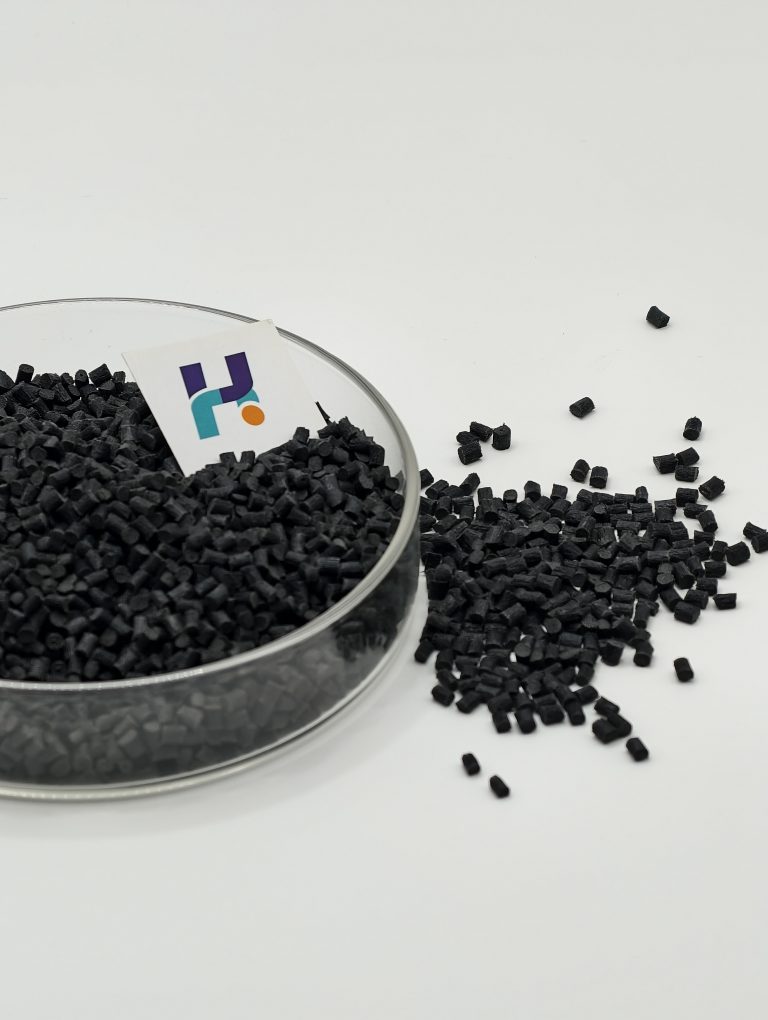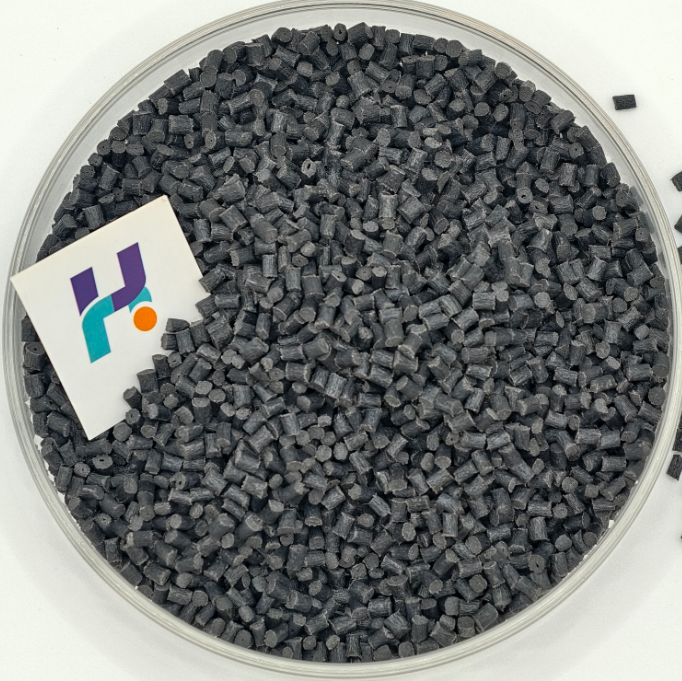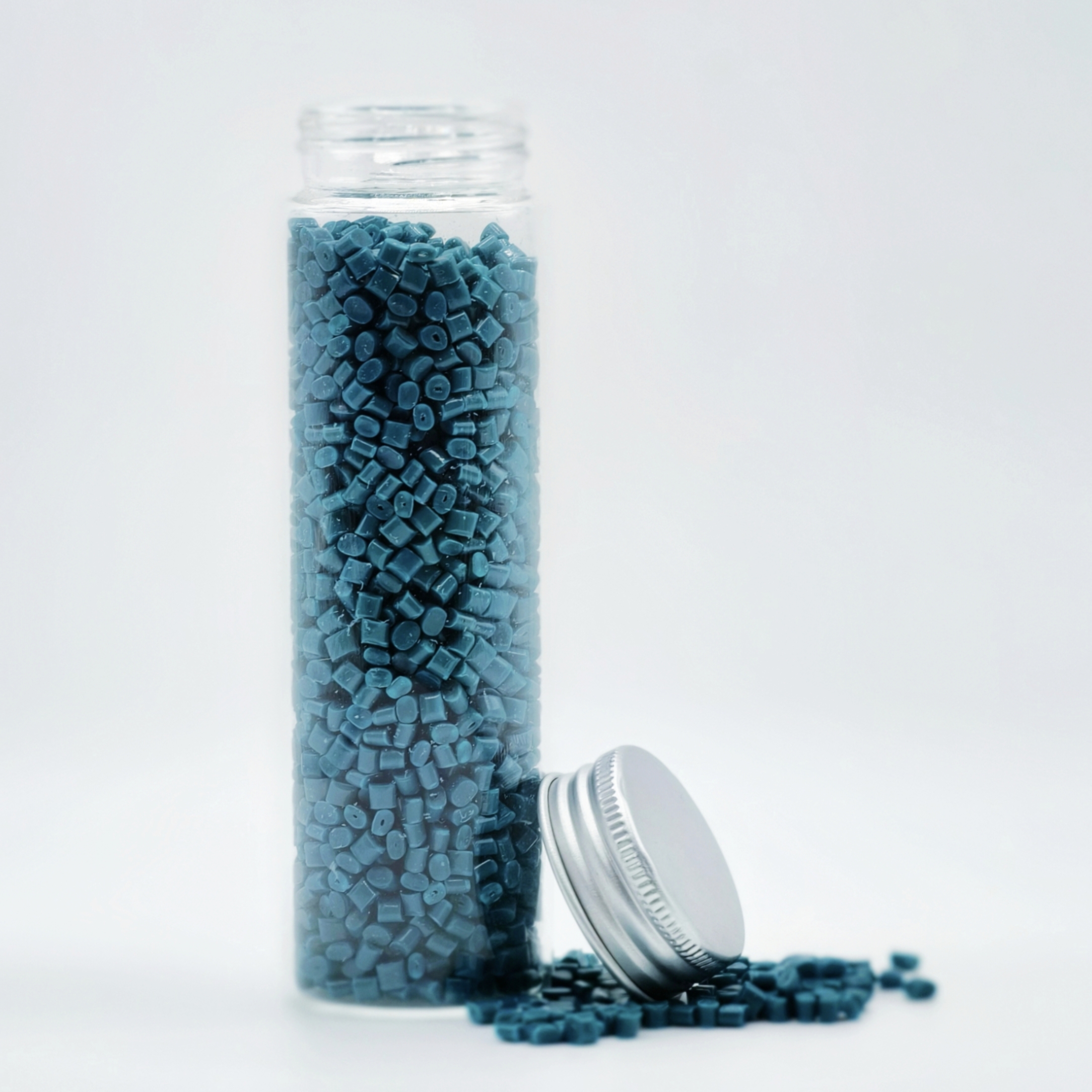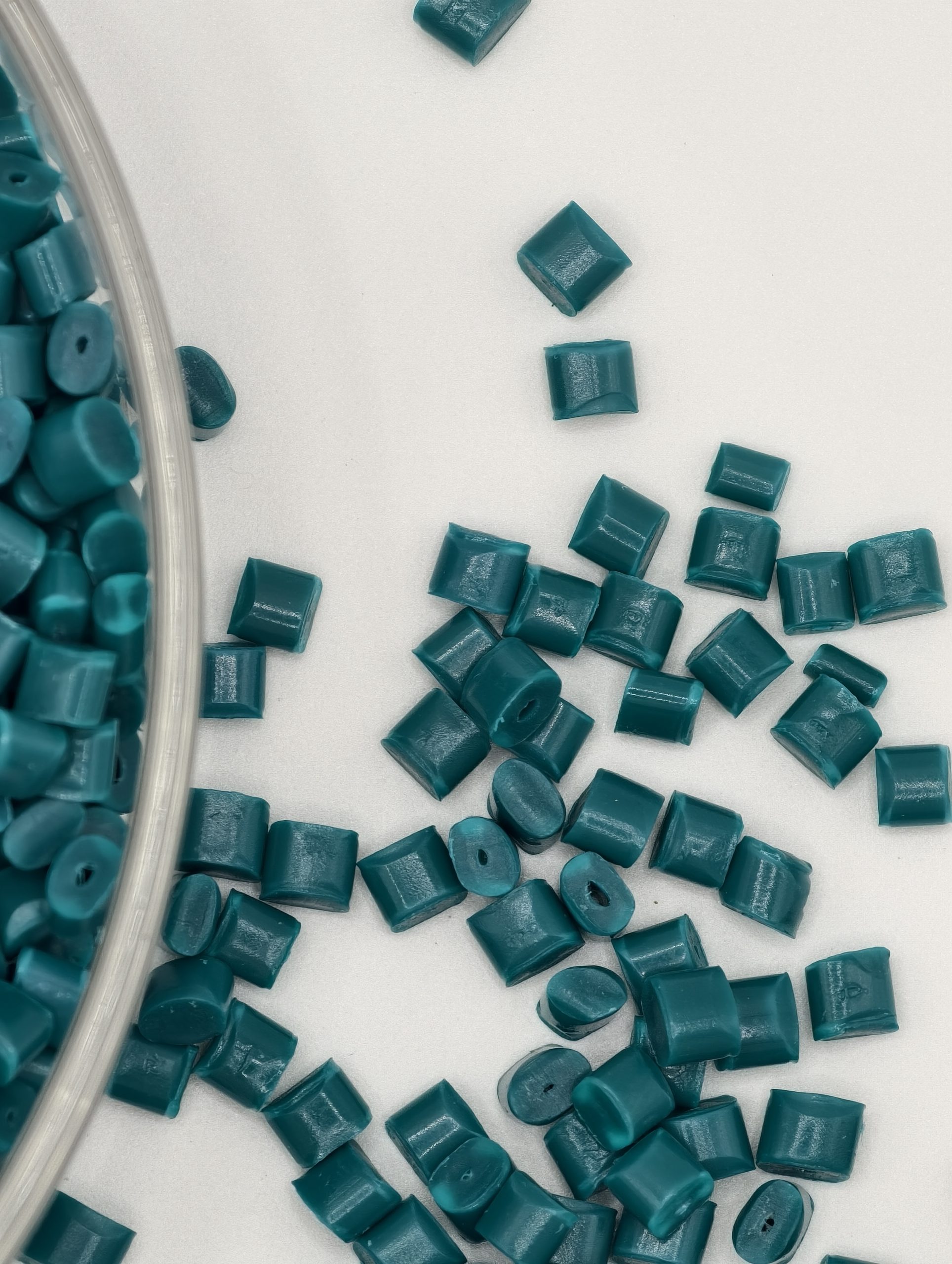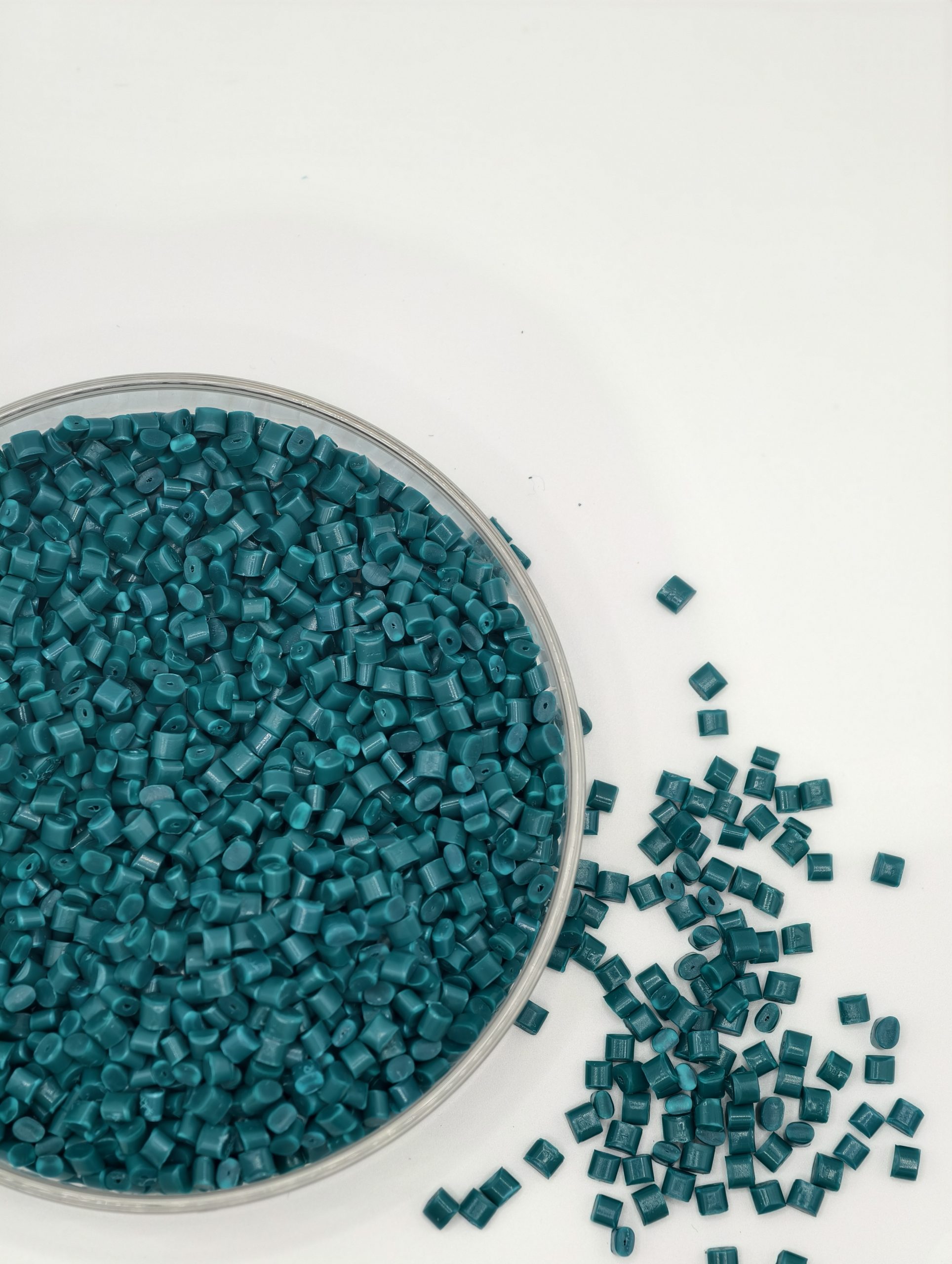
Flame-retardant glass-reinforced PBT pellets engineered for switch housings and bases—stable terminals, stable assembly, stable compliance.
Electrical switches are “small parts with big consequences.” The plastic isn’t just a cover—it defines insulation distances, terminal alignment, assembly consistency, and long-term safety. In real projects, most headaches come from production reality:
-
“We passed UL94 once, but production drifts.”
-
terminal carriers warp → assembly misalignment
-
snaps or bosses crack at knit lines
-
thin-wall zones short-shot or burn
-
heat aging changes fit, affecting the switching feel
That’s why a switch-grade FR reinforced PBT should be positioned as a production-stable compliance material, not just “a V-0 resin.”
The Real Cause of Plastic Switch Failure
1) Terminal geometry drift (the hidden cost)
If terminal spacing or carrier datums shift, you lose assembly yield and risk creepage/clearance margins.
2) Warpage in ribbed housings and long walls
Switch shells often have asymmetric ribs, windows, and bosses. Reinforcement helps stiffness but increases orientation effects—warpage becomes a gate/cooling problem.
3) Weld-line cracking at snaps and bosses
Complex flow paths create knit lines. If toughness is not balanced, clips snap during assembly, or bosses crack after torque.
4) Thin-wall instability (short shots & burn marks)
Modern switches are compact. Thin walls demand stable flow, good venting, and a grade that is tuned for thin-wall filling.
5) Heat aging and electrical environment stress
Switches can see localized heating at contacts and terminals. A stable resin must resist long-term drift and maintain insulation performance.
FR-enhanced PBT holds significant importance in switches.
For switch housings and bases, FR reinforced PBT usually includes:
-
PBT base polymer (dimensional stability + electrical insulation reliability)
-
flame-retardant package (UL94 targets are thickness-dependent)
-
glass fiber reinforcement (often 10–30% depending on stiffness needs)
-
stabilizers for processing and long-term performance
Why PBT is a classic choice for switches
-
low moisture-driven dimensional change → stable fits and terminal datums
-
good electrical insulation performance
-
good heat resistance (grade dependent)
-
chemical resistance for household/industrial environments
-
strong compatibility with high-cavity injection molding
Core Selling Points
1) UL94 flame performance with thickness-target clarity
Engineering: FR system designed for electrical housing scenarios.
Buyer value: fewer certification surprises when thickness is defined correctly.
2) High rigidity for stable structure and terminal alignment
Engineering: reinforcement improves modulus and creep resistance.
Buyer value: stable assembly, less rework, consistent switching feel.
3) Dimensional stability with low moisture influence
Engineering: PBT typically drifts less with humidity than hygroscopic nylons.
Buyer value: fewer “warehouse-to-line” fit issues and better long-term stability.
4) Production stability in mass manufacturing
Engineering: controlled flow and compounding consistency reduce lot drift.
Buyer value: stable yield and fewer parameter adjustments.
Typical Switch Applications
|
|
|
|


-
switch housings / shells
-
switch bases and terminal carriers
-
insulation partitions and internal frames
-
covers and structural supports (design-dependent)
Quick Comparison Table
| Requirement (switch parts) | Non-reinforced FR PBT | FR Reinforced PBT (This Grade) | Benefit in production |
|---|---|---|---|
| Flame performance | Designed for UL94 targets | Designed for UL94 targets | compliance stability |
| Rigidity / creep | Medium | High | stable terminals & bosses |
| Warpage control potential | Medium | Better (system-driven) | better assembly fit |
| Moisture-related drift | Low | Low | stable dimensions |
| Thin-wall molding stability | Medium | Tunable | fewer short shots |
| Weld-line durability | Medium | Tunable | fewer snap cracks |
Engineering Notes That Decide Switch Yield
A) UL94 is thickness-dependent—don’t spec “V-0” without thickness
If your walls are 0.8 mm vs 1.6 mm, the grade direction can be different. A production-ready supplier asks for thickness first.
B) Gate and cooling strategy control warpage
At GF levels, fiber orientation drives shrink direction. The best results come from:
-
balanced gating to reduce one-direction shrink dominance
-
uniform cooling (hot spots = warpage)
-
stable packing (consistency beats “higher pressure”)
C) Weld-line toughness is the real snap-fitness KPI
If your switch has multiple windows and ribs, knit lines are inevitable. Choose a grade tuned for weld-line durability and keep venting clean.
Processing Notes
Practical checklist:
-
Drying: required for stable flow and surface quality
-
Mold temperature: keep stable (PBT benefits from controlled mold temp)
-
Injection speed: medium-to-high to avoid hesitation and weak knit zones
-
Venting: critical for thin-wall switch housings
-
Packing: repeatable to control shrink without locking in stress
QC points that matter:
-
terminal datums and flatness fixtures
-
snap and boss screening after assembly torque
-
burn/short-shot monitoring at thin walls
-
lot-to-lot tracking: flow index + shrink indicators
OEM Customization Options
Keep the product page options focused:
-
UL94 thickness-target route (V-0 at your real wall thickness)
-
Thin-wall flow tuning (compact switch designs, high-cavity tools)
-
Low warpage route (flatness + terminal alignment focus)
-
Weld-line durability focus (snaps, bosses, corners)
-
Heat-aging stability (contact heating / long-term reliability)
-
Color control (black/gray/white; lot stability targets)
What you should provide
No sensitive info required—send any 3–6 items:
-
UL94 target + thickness (critical)
-
wall thickness range and part size
-
key datums: terminal alignment / flatness zones
-
snaps/bosses/inserts and stress zones
-
current pain: warpage, snap cracks, boss cracking, short shots, burn marks
-
heat exposure scenario (if known)
-
color requirement
If you only provide UL94 thickness target + wall thickness + failure mode + a photo, that’s enough to start.