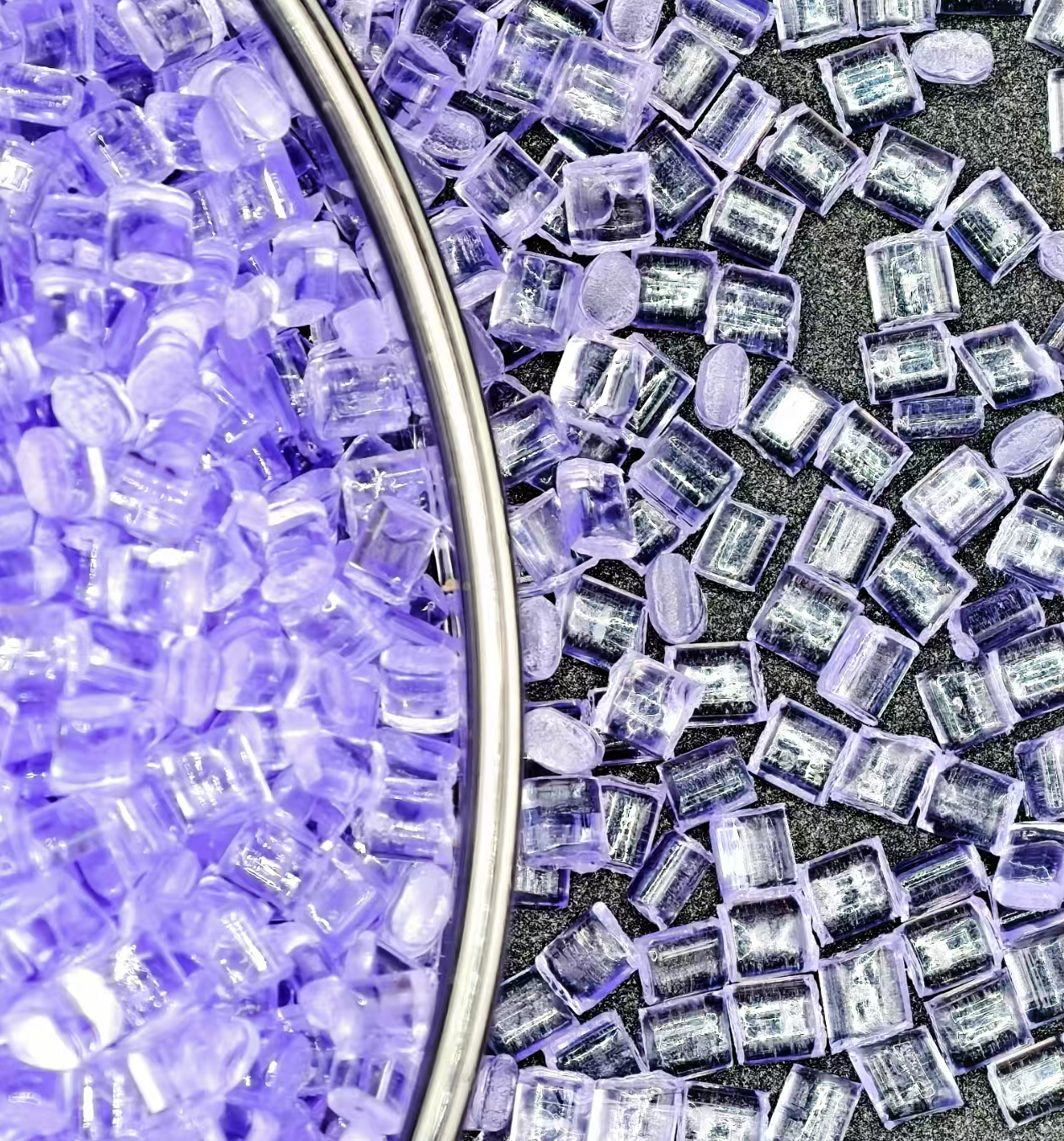
Light Diffusion Polycarbonate (PC)
Optical-Grade PC for Uniform Light Output and Glare Control

Light Diffusion PC is specifically designed for applications where light quality matters as much as mechanical reliability. Through a controlled optical diffusion system, this material transforms point or line light sources into soft, uniform illumination, minimizing hot spots and glare.
Compared with clear PC, light diffusion grades focus on optical performance optimization, not transparency.
Optical Design & Light Diffusion Mechanism
Light Diffusion PC achieves its performance through precise control of diffuser particle size, refractive index matching, and dispersion uniformity.
Material Composition Overview
-
Base Polymer: Polycarbonate (PC)
-
Diffusion System: Optical diffuser particles
-
Light Transmittance: Tunable (typically 60–90%)
-
Haze Level: Controlled for uniform output
-
Optional Additives:
-
UV stabilizer
-
Heat stabilizer
-
Anti-yellowing system
-
-
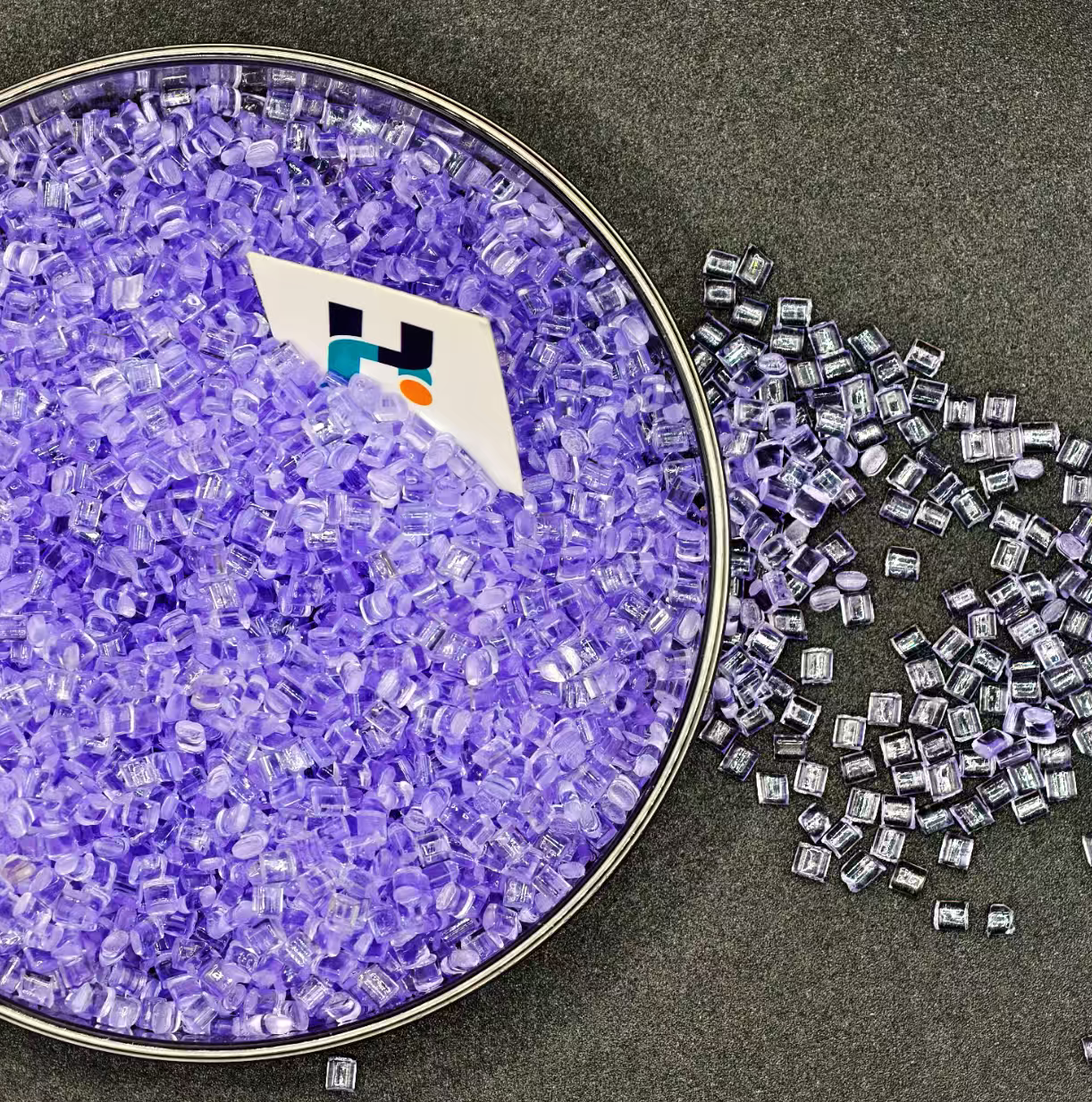
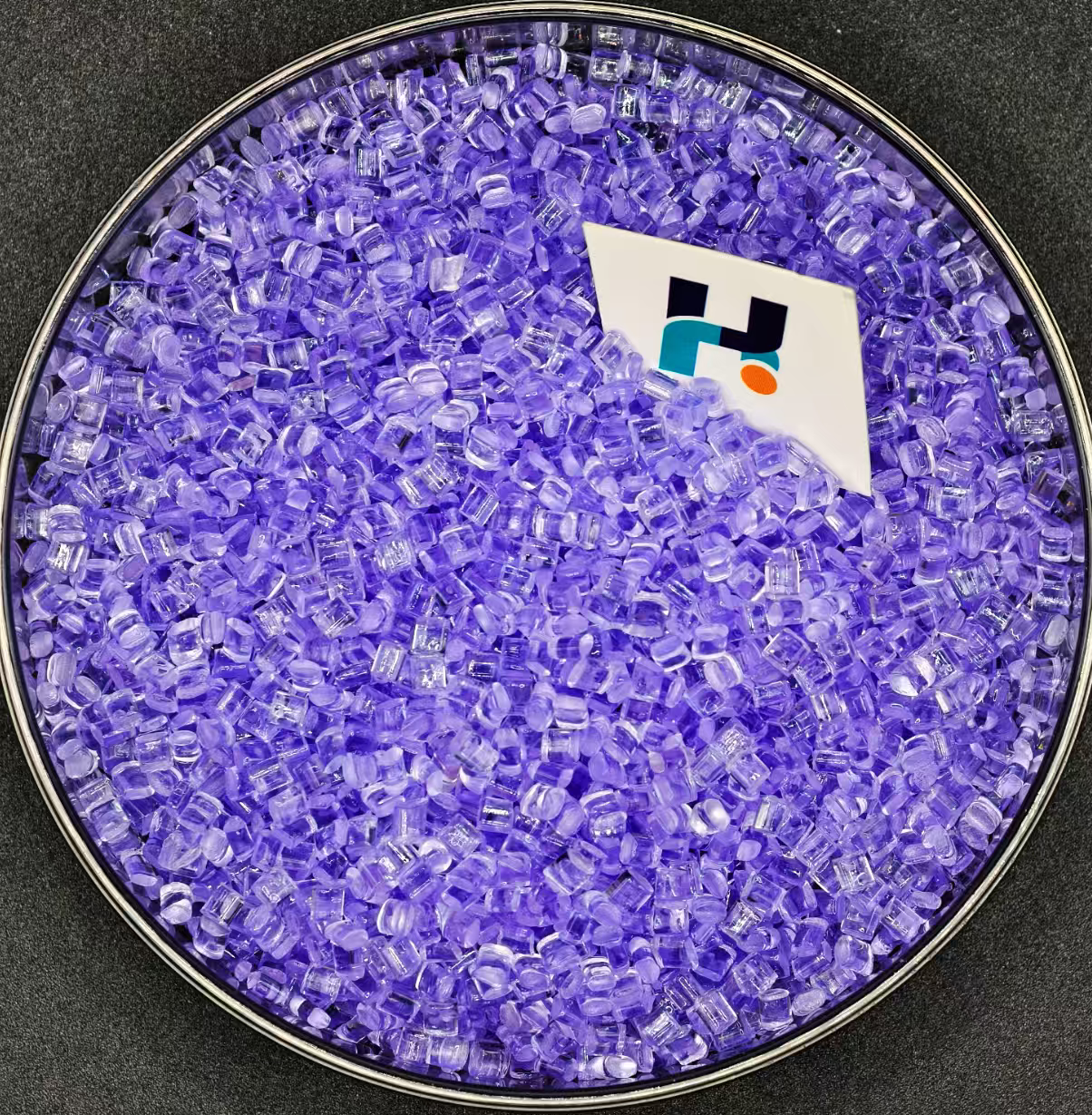
Color Options: Milky white, opal, customized tones
This formulation prioritizes optical consistency and stability, not surface gloss.
Core Advantages: Optical Performance with Engineering Reliability
Optical Advantages
-
Uniform Light Distribution
Effectively eliminates LED hot spots. -
Controlled Transmittance & Haze
Balance brightness and diffusion. -
Low Glare Output
Improved visual comfort for indoor lighting. -
Excellent Color Consistency
Stable appearance across batches and thicknesses.
Engineering & Commercial Advantages
-
Retains PC’s impact resistance
-
Good heat resistance for LED environments
-
Stable long-term optical performance
-
Suitable for thin-wall and complex diffuser designs
Typical Application Areas
LED Lighting
-
Panel lights
-
Linear lights
-
Downlight diffusers
Electronic Displays & Indicators
-
Light guides
-
Backlight diffusers
-
Indicator covers
Architectural & Decorative Lighting
-
Luminous panels
-
Decorative light covers
|
|
|
|


Processing Performance & Injection Molding Guidelines
Light Diffusion PC requires controlled processing to maintain optical uniformity.
-
Melt Temperature: 260–300 °C
-
Mold Temperature: 90–120 °C
-
Drying: 120 °C for 3–4 hours
-
Injection Speed: Medium
-
Mold Finish: Fine polished or textured (depending on diffusion design)
Gate design and thickness consistency are critical for uniform light output.
Technical Specification – Light Diffusion PC
| Property | Test Standard | Typical Value |
|---|---|---|
| Density | ISO 1183 | 1.18–1.22 g/cm³ |
| Light Transmittance | ASTM D1003 | 60–90% |
| Haze | ASTM D1003 | 70–95% |
| Notched Izod Impact | ISO 180 | 6–9 kJ/m² |
| Heat Deflection Temp. | ISO 75 | 125–140 °C |
OEM / ODM Customization Capabilities
-
Light transmittance tuning
-
Haze level adjustment
-
Anti-yellowing formulations
-
UV-resistant outdoor grades
-
Thickness-optimized diffuser solutions
FAQ
Q1: What is the difference between Light Diffusion PC and clear PC?
Light Diffusion PC is engineered to scatter light uniformly, while clear PC prioritizes transparency.
Q2: Can diffusion and brightness be balanced?
Yes, transmittance and haze can be tuned to achieve the desired balance.
Q3: Is Light Diffusion PC suitable for LED lighting?
Yes, it is widely used in LED panel lights and diffusers.
Q4: Does thickness affect light uniformity?
Yes, thickness and part design significantly influence diffusion performance.
Q5: Can Light Diffusion PC be customized?
Yes, optical and mechanical properties can be tailored for OEM applications.