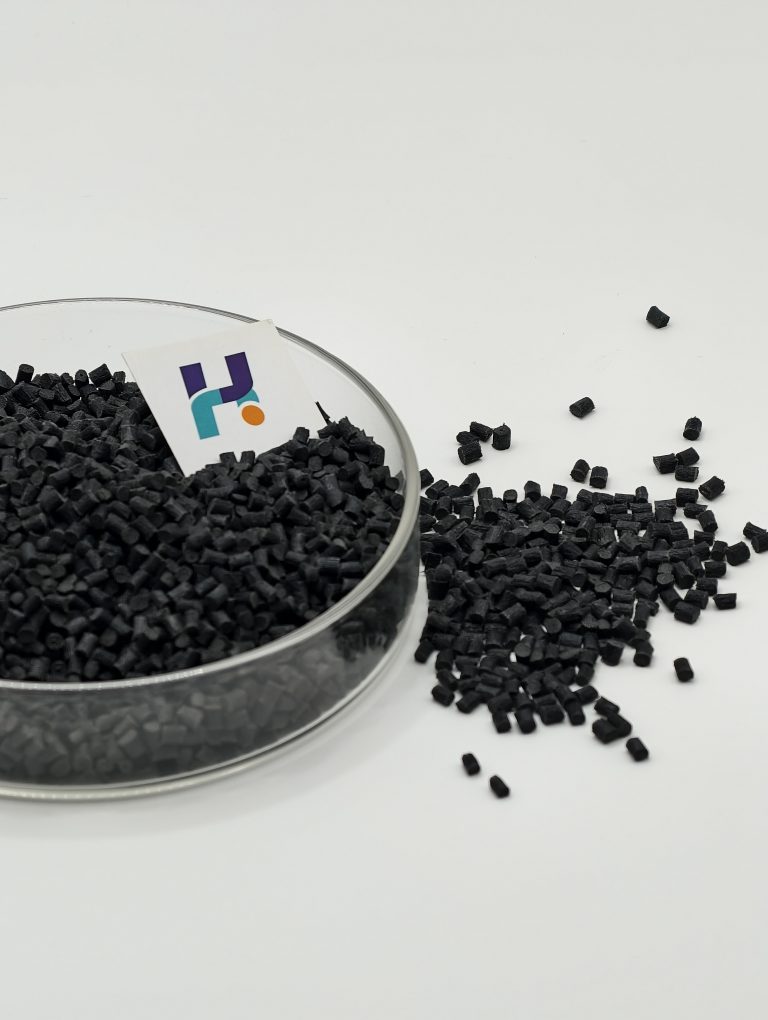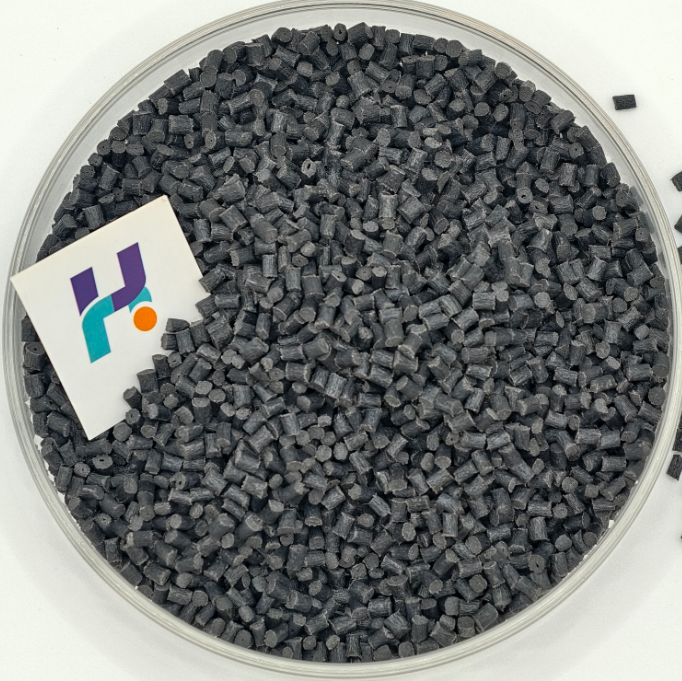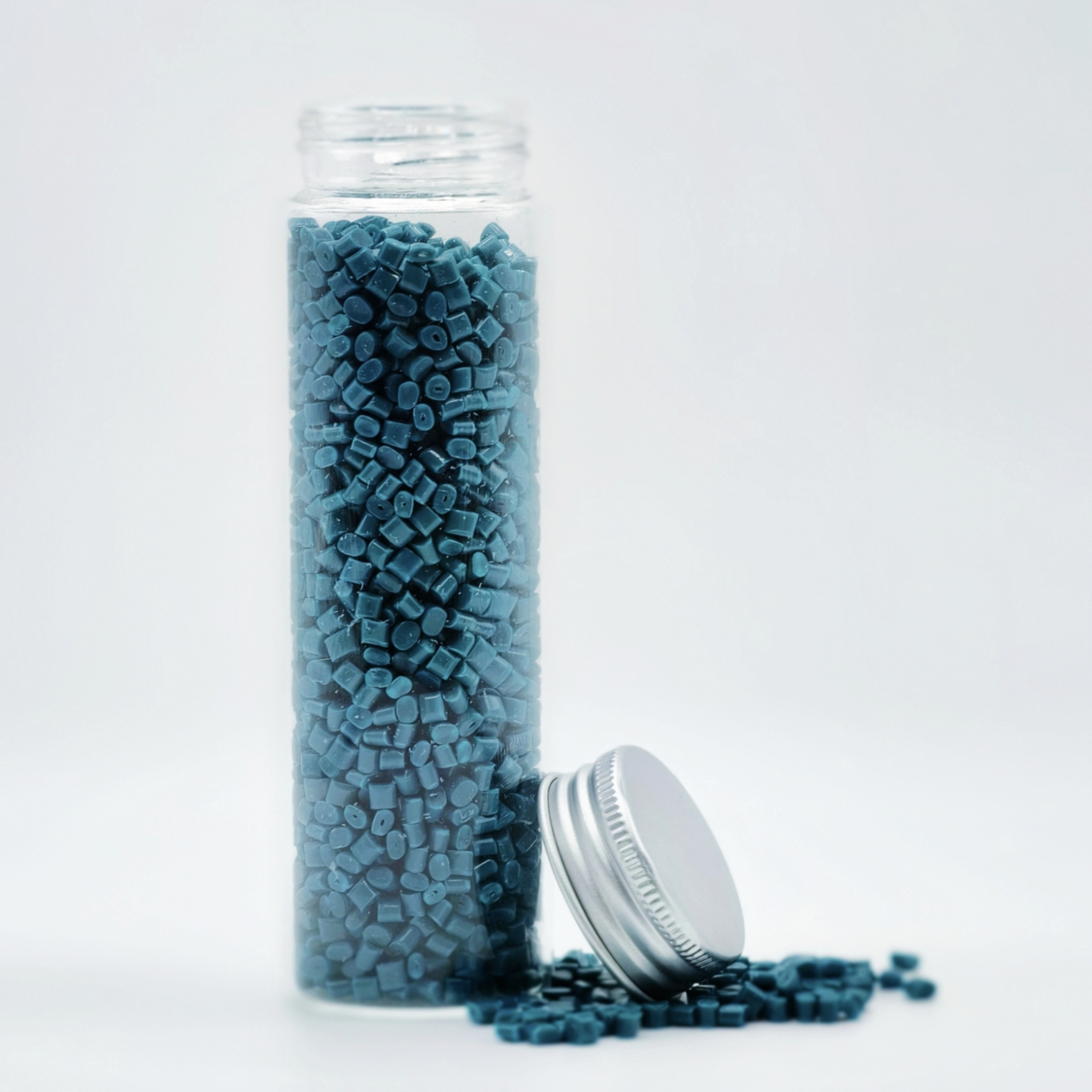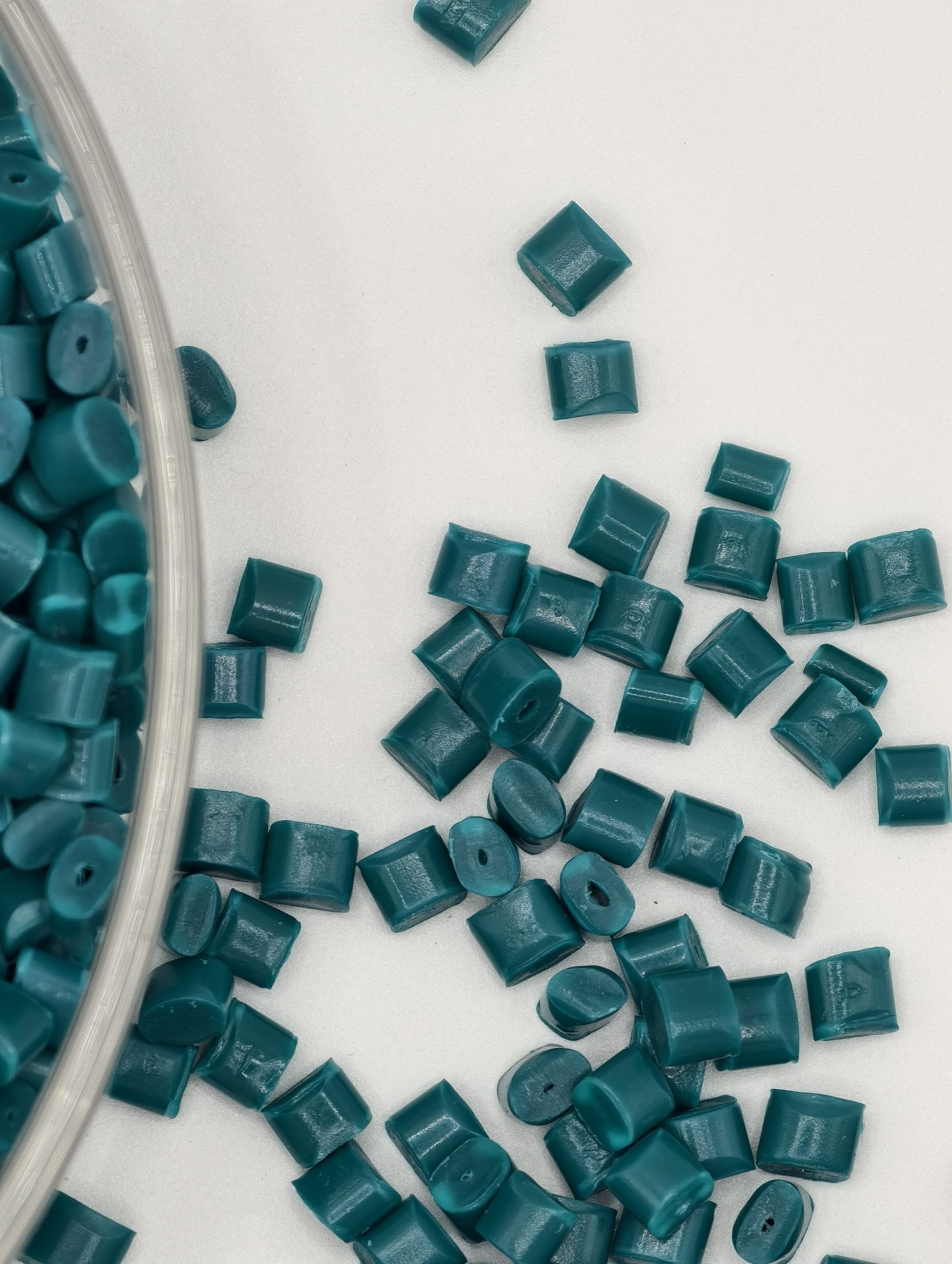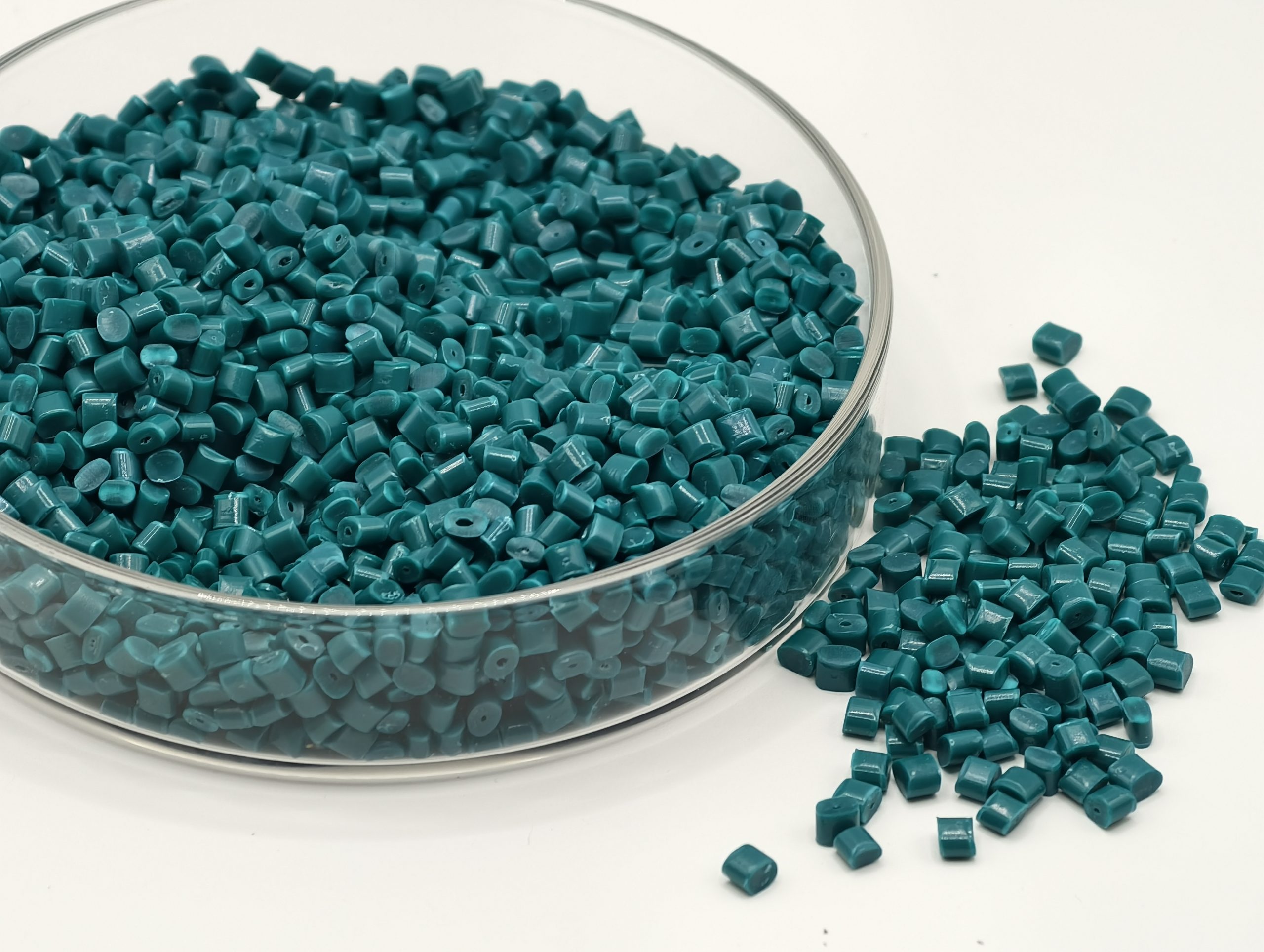
Designed for “interior approval” parts: low odor, tough snap-fits, and stable mass production.
Interior ABS parts don’t fail only by cracking—they fail by getting rejected before they even go into the car. Odor complaints, VOC screening, and “new car smell” control have become real gatekeepers in many programs. At the same time, these parts are often full of clips, thin walls, and moving features where brittle failure is a constant risk.
Low Odor ABS is built to solve both:
-
Keep odor down so interior approval is easier
-
Keep toughness up so clips, louvers, and small mechanical features survive assembly and long-term use
Yongjinhong provide Low Odor ABS
Low Odor ABS is an ABS compound engineered with:
-
odor-reduction strategy (raw-material selection + purification/volatile control + stabilizer system)
-
high-impact design (to protect snaps, bosses, and thin edges)
-
processing stability package (to reduce degradation, splay, and variability that can increase odor)
Why “low odor” is not a single number
Odor is influenced by:
-
resin base + additive system
-
molding temperature history (overheating increases odor)
-
part design (thin walls / shear)
-
post-process handling (storage, packaging)
That’s why a good low-odor ABS grade is paired with a recommended processing window and a repeatable QC plan.
Yongjin Hong Low Odor ABS Core Selling Points
1) Low odor (interior-friendly)
Engineering angle: reduced volatile contributors and controlled stabilizer compatibility help lower the chance of odor spikes between lots.
Buyer value: fewer interior screening rejections, smoother customer approvals, less risk of revalidation.
2) High impact (for clips, louvers, and small mechanical parts)
Engineering angle: impact-toughness design helps maintain ductility at weld lines and stress concentrators.
Buyer value: fewer broken clips during assembly, fewer returns from brittle fracture, better handling robustness.
3) Stable production (odor consistency is a production discipline)
Engineering angle: stable MFR window + thermal stability reduces degradation-related odor and improves surface consistency.
Buyer value: less parameter chasing, fewer cosmetic defects, predictable output in multi-cavity molds.
Target Applications
|
|
|
|


Instrument Panel Clips / Dashboard Retainers
-
Must be tough at snap features and weld lines
-
Odor/VOC often screened during interior validation
Low-Odor ABS helps reduce “approval risk” while keeping clips from turning brittle.
HVAC Vent Louvers / Air-Outlet Blades
-
Thin-wall, long-flow, visible interior
-
Requires stable surface and dimensional repeatability (smooth movement, consistent gaps)
Low-Odor ABS supports stable appearance and reduced odor risk in confined cabin spaces.
Seat Adjuster Gears / Small Mechanical Elements
-
Repeated actuation + local stress at tooth roots
-
Needs impact toughness and dimensional stability
Low-Odor ABS can be tuned for mechanical reliability; for higher wear needs, we can discuss low-friction or alternative materials, but ABS may work when loads are moderate and design is optimized.
Child Safety Seat Accessories
-
Odor sensitivity is higher (close contact, enclosed cabin)
-
Needs impact resistance for handling and safety perception
Low-Odor ABS supports a cleaner interior perception with durable parts.
Interior Rearview Mirror Pivot / Shaft Brackets
-
Small functional supports with torque and clip engagement
-
Hot-soak + vibration + assembly stresses
Low-Odor ABS maintains toughness while aiming for stable interior acceptance.
Performance Target Map
Actual values depend on formulation, color system, and test method/standard.
| Attribute | Standard ABS | Low-Odor High-Impact ABS (This Grade) | Why it matters |
|---|---|---|---|
| Odor level stability | Variable | Improved / controlled | Interior approval risk control |
| Impact strength | High | High | Clip and thin-edge durability |
| Flow / moldability | Good | Good–Very Good (grade-dependent) | Thin louvers, multi-cavity |
| Surface quality | Good | Stable / consistent | Visible interior parts |
| Dimensional stability | Medium | Medium–Good | Fit, movement feel, gaps |
If you have a target odor method or internal requirement (or a benchmark resin), that is the fastest way to lock the right grade.
OEM / Custom Compounding Options
You can publish this product as a series to match different interior programs:
Suggested Low-Odor ABS variants:
-
Low Odor ABS – High Impact (general interior functional parts)
-
Low Odor ABS – Thin-Wall Flow (HVAC louvers / long-flow parts)
-
Low Odor ABS – Color-Control (tight color tolerance for visible trim)
-
Low Odor ABS – Dimensional-Stability (clips, brackets with tight fit)
-
Low Odor ABS – Low Warpage (long parts, multi-cavity consistency)
Customization knobs (OEM):
-
odor / VOC control level (project-based target)
-
impact level (standard vs reinforced for snap features)
-
flow tuning (thin-wall, long-flow, multi-cavity)
-
color matching (black/gray/custom; interior color stability)
-
surface goal (matte/low gloss, minimized streaking)
-
packaging/storage suggestions to protect odor results
Injection Molding Guidance
Low odor resins are often “lost” by overheating or unstable processing. The resin helps, but the process keeps it.
Practical molding discipline:
-
Avoid over-temperature & long residence time (common odor amplifier)
-
Drying: recommended to reduce splay and improve surface; stable moisture helps consistency
-
Stable venting: reduces burn marks and degradation
-
Consistent packing/holding: improves dimensions and reduces rejects (regrind usage can affect odor—control it)
Common interior defects and controls
What you should provide
You don’t need to disclose brands or end-customer names. These technical facts are enough:
-
Part type & function: clip / louver blade / gear / pivot bracket
-
Odor requirement: do you have a target method/limit, or a benchmark material that already passed?
-
Wall thickness & flow length (especially for louvers)
-
Main pain point: odor rejection, clip breakage, louver deformation, gear cracking, surface defects
-
Assembly method: snap-fit, screw, ultrasonic welding, insert, rotation/pivot mechanism
-
Color & appearance requirement: matte/gloss, visible A-surface or hidden
-
Regrind policy (if any): allowed % and whether odor consistency is sensitive
If you only provide (2) odor target + (4) pain point + a part photo, we can usually start a meaningful proposal.
Why buyers choose Low-Odor ABS
A low odor grade is not “nice to have.” In interior projects it’s a schedule and risk tool:
-
reduces the chance of late-stage cabin screening rejection
-
improves approval confidence across lots
-
keeps functional parts tough so assembly stays smooth
-
protects yield by stabilizing process and surface
If your program is cost-sensitive but cannot afford odor-related delays, low-odor high-impact ABS is often the most efficient upgrade.