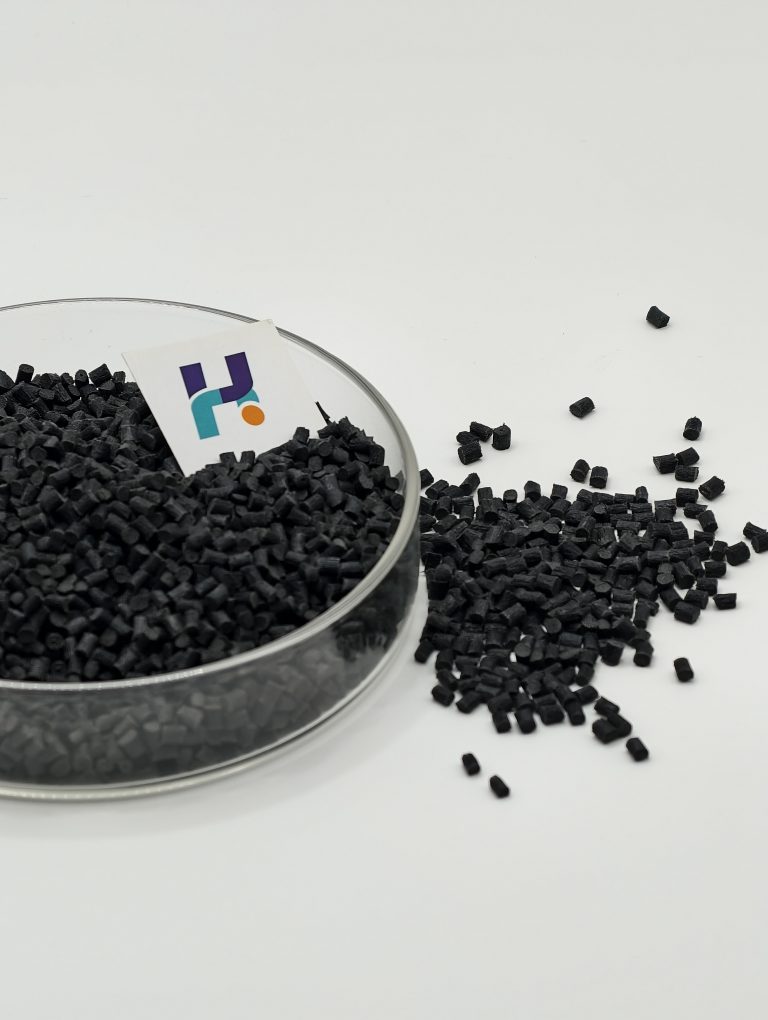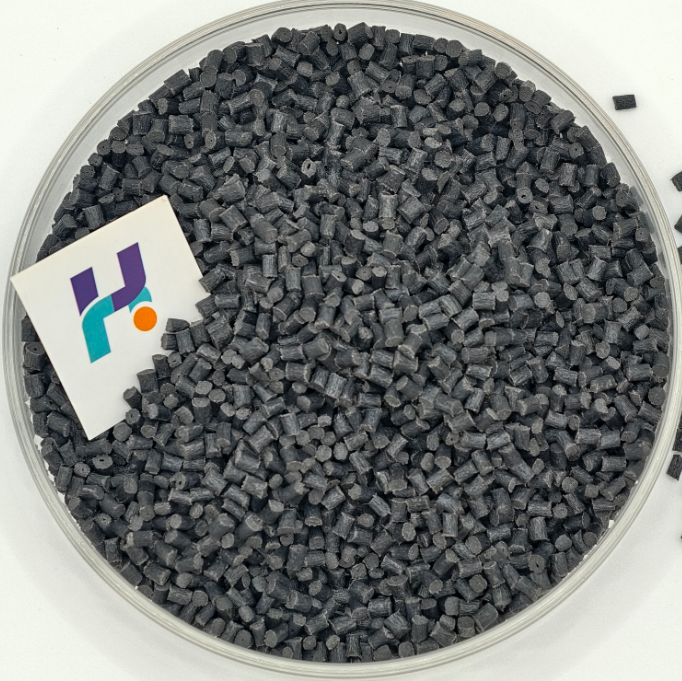
Low Odor Polyoxymethylene (POM)
VOC-Controlled Acetal for Interior & Human-Facing Components
Low Odor POM is developed for applications where standard POM’s residual odor or volatile release is unacceptable, particularly in vehicle interiors, sealed housings, and human-contact products. Through raw-material purification, optimized polymerization, and post-processing control, this grade significantly reduces odor perception and VOC emission.
Compared with standard POM, this material provides a noticeably cleaner sensory profile. Compared with low-odor PA, it offers lower moisture absorption, better dimensional predictability, and more stable friction behavior, making it ideal for precision interior components.
Material Composition & Odor-Control Strategy
Material Composition Overview
-
Base Polymer: Polyoxymethylene (POM / Acetal)
-
Odor Control Method: Low-residue polymerization & stabilizer system
-
VOC Performance: Reduced emission vs standard POM
-
Optional Additives:
-
Lubrication modifiers
-
Wear-resistant additives
-
Heat stabilizers
-
UV stabilizers
-
-
Color Options: Natural, black, customized
This approach focuses on sensory quality, not surface coatings.
Core Advantages: Sensory Comfort & Precision Performance
Engineering Advantages
Low Odor Emission
Significantly reduced smell during molding, assembly, and end-use.
Low VOC Release
Suitable for enclosed spaces and interior environments.
Excellent Dimensional Stability
Minimal moisture absorption ensures tight tolerances.
Low Friction & Wear Resistance
Maintains smooth motion and long service life.
Chemical Resistance
Resistant to fuels, oils, cleaners, and interior chemicals.
Manufacturing & Commercial Advantages
Improved Assembly Environment
Reduced odor during production and final assembly.
Interior Compliance Friendly
Easier to meet automotive and appliance interior requirements.
Stable Processing Behavior
Processes similarly to standard POM grades.
No Secondary Treatment Required
Odor control is intrinsic to the material.
Typical Application Areas
Automotive Interior Components
-
Seat mechanisms
-
Air-vent actuators
-
Dashboard internal parts
Electrical & Consumer Products
-
Enclosed mechanical assemblies
-
Control mechanisms
-
Interior housings
Industrial & Medical Equipment
-
Precision internal components
-
Sealed equipment mechanisms
|
|
|
|


Processing Performance & Injection Molding Guidelines
Typical Processing Parameters
-
Melt Temperature: 190–215°C
-
Mold Temperature: 80–110°C
-
Drying: 80°C for 2–4 hours
-
Injection Speed: Medium
-
Shrinkage: 1.8–2.1%
Avoid overheating to prevent secondary odor generation.
OEM / ODM Customization Capabilities
Customization Options
-
Enhanced low-odor formulations
-
Lubricated or wear-optimized grades
-
Heat-resistant low-odor versions
-
Color customization
OEM Support Services
-
Odor & VOC performance validation
-
Interior material selection support
-
Prototype sampling
-
Long-term supply assurance
Technical Specification – Low Odor POM (Typical)
| Property | Test Standard | Typical Value |
|---|---|---|
| Density | ISO 1183 | 1.40–1.45 g/cm³ |
| Tensile Strength | ISO 527 | 60–70 MPa |
| Flexural Strength | ISO 178 | 90–105 MPa |
| Flexural Modulus | ISO 178 | 2,500–3,000 MPa |
| Notched Izod Impact | ISO 180 | 5–8 kJ/m² |
| Heat Deflection Temp. | ISO 75 | 150–165°C |
| Odor Level | VDA 270 | Low |
| VOC Emission | — | Reduced |
FAQ
Q1: How does low odor POM differ from standard POM?
It significantly reduces odor and VOC emission while maintaining mechanical performance.
Q2: Is low odor POM suitable for vehicle interiors?
Yes. It is commonly used in cabin and enclosed interior applications.
Q3: Does low odor POM affect wear or friction?
No. It retains POM’s low friction and wear resistance.
Q4: Can low odor POM meet automotive interior standards?
Yes, depending on grade and validation requirements.
Q5: Can low odor POM be customized?
Yes. Odor level, lubrication, and heat resistance can be tailored.