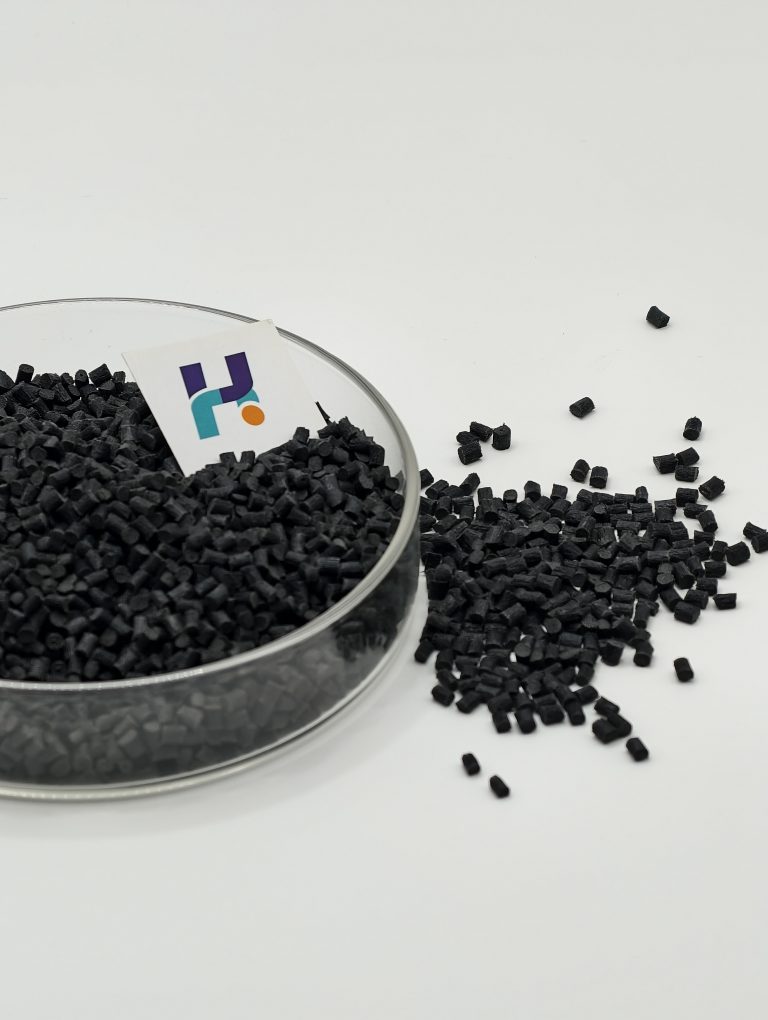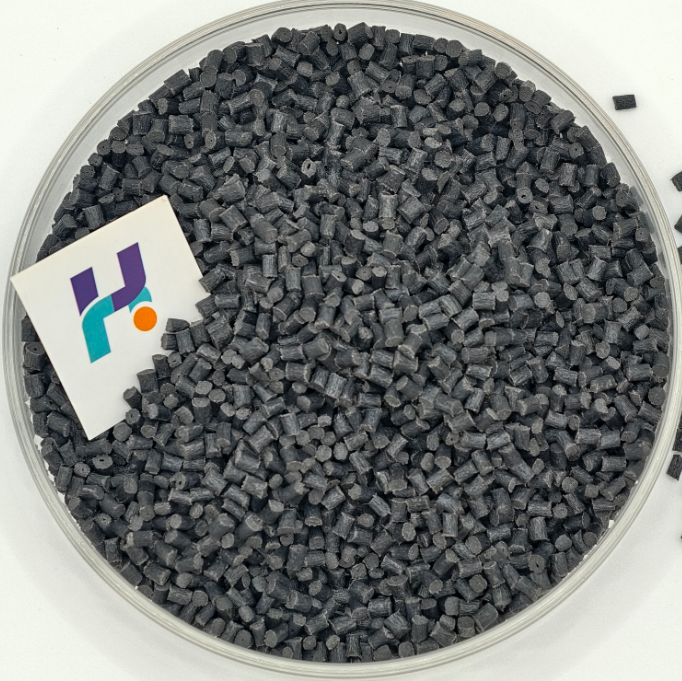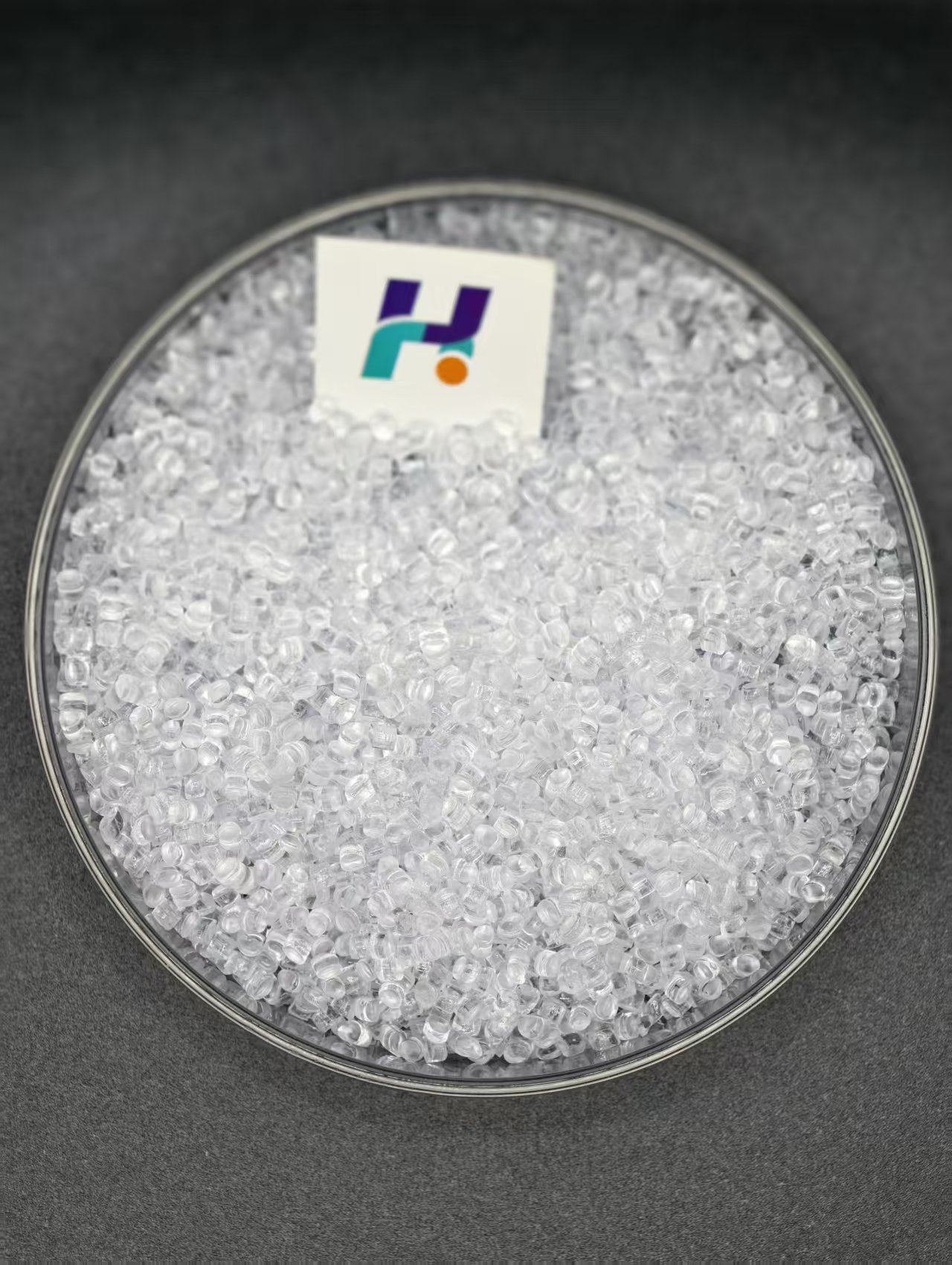
Glass Fiber Reinforced PA6 – PA6 GF15
Balanced Mechanical Performance for Structural & Functional Components

PA6 GF15 is a medium glass fiber reinforced Nylon 6 compound designed to significantly improve the mechanical properties of standard PA6 without excessively sacrificing surface quality, flowability and processability. It bridges the performance gap between unfilled PA6 and heavier glass fiber grades like PA6 GF30, providing an optimal balance of toughness, stiffness, and manufacturability.
Material Composition & Glass Fiber Structure
Glass fiber reinforcement in PA6 GF15 creates an internal skeleton within the polymer matrix, improving rigidity and load support.
Material Composition Overview
-
Base Polymer: Polyamide 6 (PA6 / Nylon 6)
-
Glass Fiber Content: 15%
-
Fiber Type: E-glass chopped fibers
-
Optional Additives:
-
Heat stabilizers
-
Impact modifiers
-
Flame retardant systems (upon request)
-
UV stabilizers
-
-
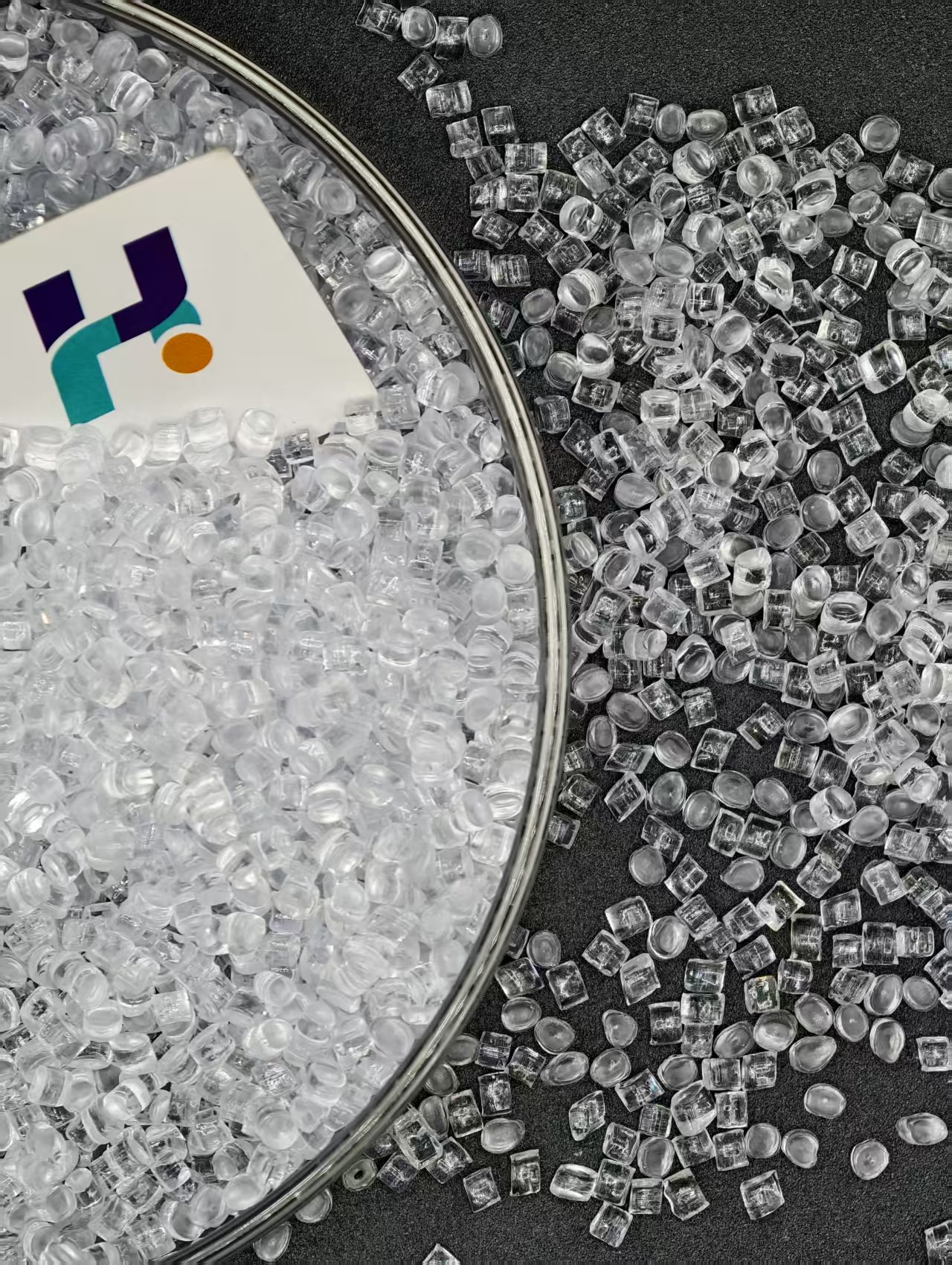
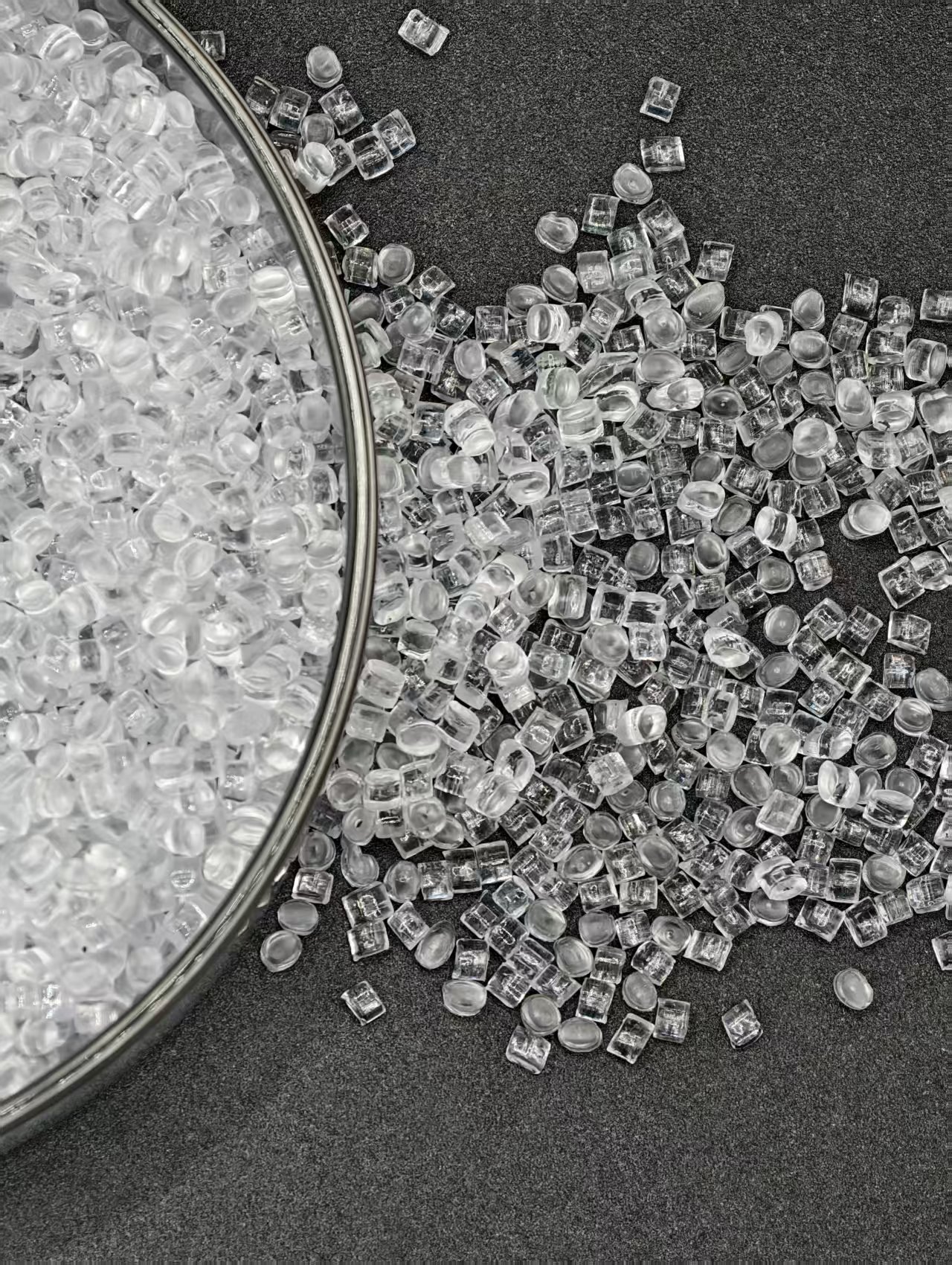
Color Options: Natural, black, customized
Core Advantages: Stiffness, Toughness & Stability
Engineering Advantages
-
Improved Rigidity & Strength
Flexural modulus and tensile strength are significantly higher than unfilled PA6. -
Enhanced Dimensional Stability
Reduced shrinkage and warp under load. -
Balanced Impact Performance
Maintains good toughness compared to higher glass fiber content grades. -
Heat & Wear Performance
Better heat resistance than unfilled PA6 and superior abrasion resistance.
Manufacturing & Commercial Advantages
-
Better surface finish than higher glass fiber grades
-
Less tool wear compared with heavy fiber reinforced materials
-
Stable molding performance
-
Cost-effective structural upgrade
Typical Application Areas
Automotive
-
Interior structural supports
-
Brackets, clips, mounting frames
Electrical & Electronics
-
Connector housings
-
Terminal blocks
-
Structural electrical supports
Industrial Mechanical
-
Load-bearing covers
-
Structural frames
-
Functional industrial components


Processing Performance & Injection Molding Guidelines
PA6 GF15 offers stable injection molding behavior with a moderate processing window.
Typical Processing Parameters
-
Drying: 80–90 °C for 4–6 hours (critical for PA6)
-
Melt Temperature: 250–280 °C
-
Mold Temperature: 70–90 °C
-
Injection Speed: Medium to high
-
Screw Back Pressure: Moderate
-
Recommended Gate Design: Fan gate or edge gate for balanced flow
Technical Specification – PA6 GF15
| Property | Test Standard | Typical Value |
|---|---|---|
| Density | ISO 1183 | 1.15–1.20 g/cm³ |
| Tensile Strength | ISO 527 | 90–110 MPa |
| Flexural Modulus | ISO 178 | 3,500–4,500 MPa |
| Notched Izod Impact | ISO 180 | 8–12 kJ/m² |
| Heat Deflection Temp. | ISO 75 | 190–205 °C |
OEM / ODM Customization Capabilities
Customization Options
-
Flame retardant grades (UL94 V2, V0)
-
UV stabilized formulations
-
Color matching
-
Enhanced heat or moisture resistance
Support Services
-
Material selection guidance
-
Prototype sampling & performance benchmarking
-
Injection parameter optimization
-
Supply chain consistency
FAQ
Q1: How does PA6 GF15 compare with unfilled PA6?
PA6 GF15 offers significantly higher stiffness, dimensional stability, and heat resistance, while maintaining better processing behavior than high fiber content grades.
Q2: What are typical applications for PA6 GF15?
Ideal for structural supports, automotive interior components, industrial mechanical parts, and electrical housings.
Q3: Does glass fiber affect surface finish?
Glass fiber improves rigidity but may slightly affect surface texture. Polished molds and controlled processing help maintain quality.
Q4: Can PA6 GF15 be flame-retardant?
Yes. PA6 GF15 can be formulated with flame-retardant additives to meet UL94 V2 or V0 requirements.
Q5: Is drying necessary before molding?
Yes. PA6 is hygroscopic; proper drying is essential for achieving optimum mechanical and surface properties.