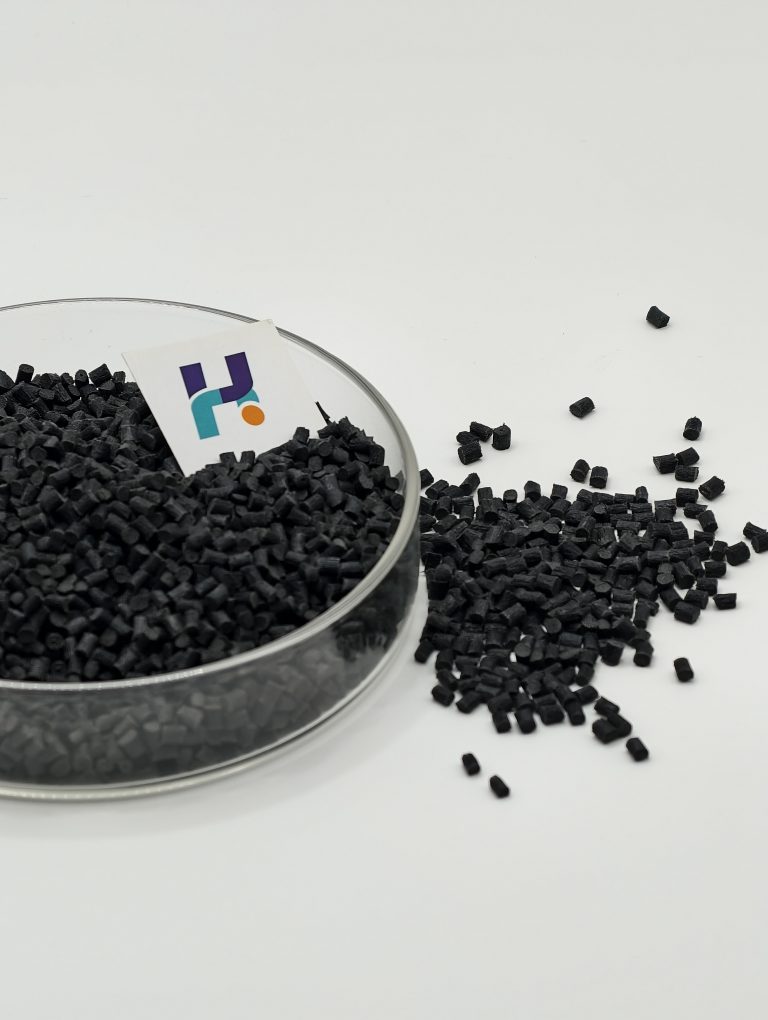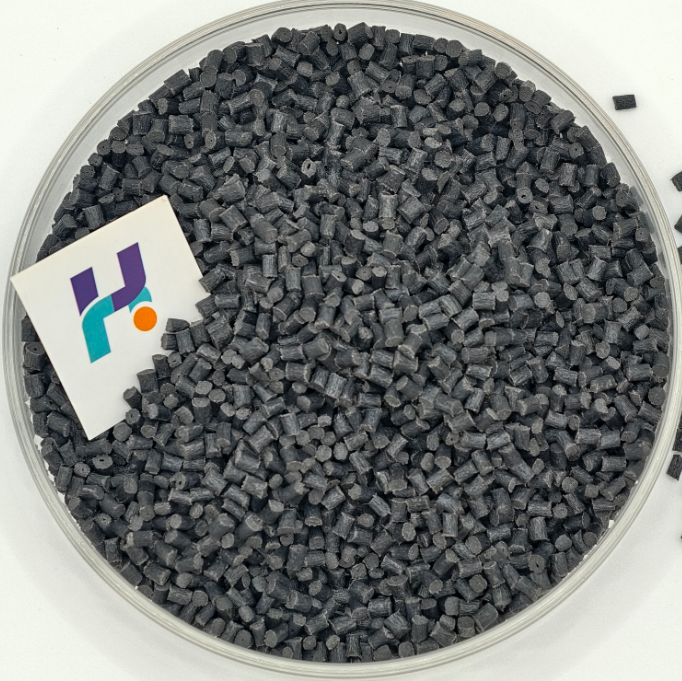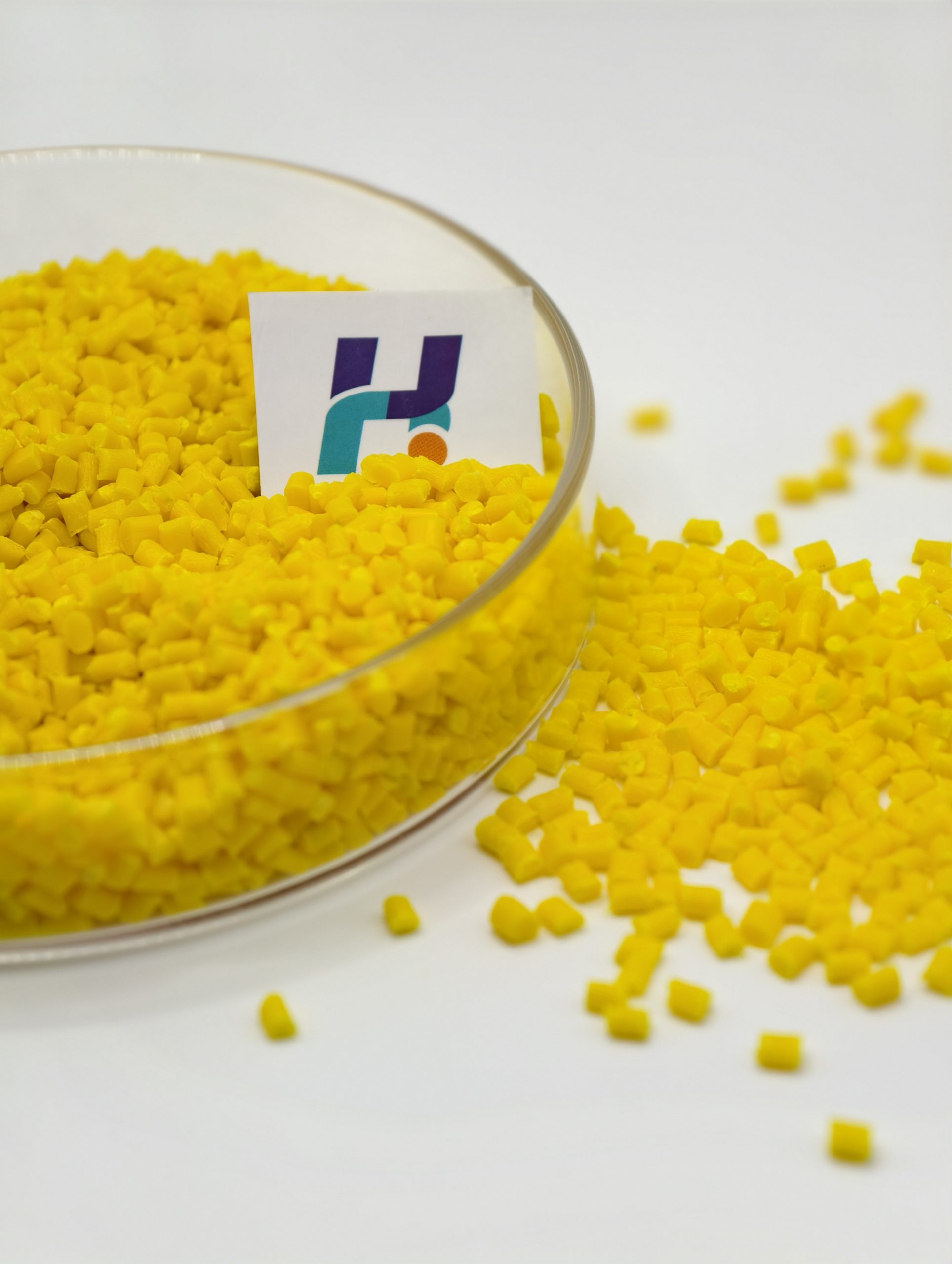
High-rigidity Nylon 6 GF30 pellets for straight, stable, smooth-feel vent blades—built for mass production.
A vent blade is a “small part with big consequences.” If it bows, sticks, squeaks, or loosens after hot-soak, the customer doesn’t blame the blade—they blame the whole vehicle or appliance. The material choice determines whether your louver mechanism feels precise or cheap, and whether the line runs stable or spends weeks chasing warpage.
This page is written in two layers:
-
A) Engineering-focused: what actually controls straightness, pivot stability, and long-term feel
-
B) Conversion-focused: what to choose, what to ask for (OEM), and what information to send for a fast recommendation
PA6 GF30 is a “louver material”
HVAC blades are thin, long, and movement-sensitive. They need:
-
High rigidity → blade stays straight, gaps look clean
-
Toughness at features → pivots, clips, and stops don’t crack at assembly
-
Creep & fatigue control → blade doesn’t “relax” and lose feel over time
-
Heat-cycle stability → hot-soak doesn’t shift fit or friction
-
Low squeak potential → stable surfaces and controlled friction interfaces
PA6 GF30 is often the best cost-to-performance choice when you need a structural feel but also want toughness, not brittleness.
What PA6 GF30 is
PA6 GF30 = Nylon 6 compounded with ~30% glass fiber for injection molding.
PA6 (Nylon 6) is valuable for louvers
Compared with many “stiff-only” plastics, PA6 brings a practical balance:
-
good base toughness and damage tolerance
-
strong reinforcement response (GF30 stiffness jump is meaningful)
-
stable processing for thin-to-medium wall parts
-
cost-effective structural performance
What GF30 changes for you
-
much higher modulus → straighter blades, less flex
-
better heat deformation resistance → improved hot-soak shape hold
-
stronger creep resistance → pivot and fit stability under load
-
more anisotropy risk → warpage becomes more sensitive to gate/cooling
Application Focus: HVAC Air Vent Blades / Louvers
1) Straightness & appearance of gaps
Straight blades make the vent look premium. PA6 GF30 improves straightness by resisting bending—especially on longer blades or thinner cross-sections.
2) Pivot stability & consistent movement feel
Louvers are “feel parts.” They need repeatable torque. PA6 GF30 helps by holding geometry, but the final result also depends on moisture conditioning and dimensional control strategy.
3) Durability in repeated adjustment
Blades may be adjusted thousands of times. GF reinforcement improves structural stability, while PA6 toughness helps protect thin stops and clip features.
4) Heat-cycle reliability
Vent areas see repeated thermal cycling. PA6 GF30’s reinforced structure reduces deformation risk, supporting consistent fit after hot-soak exposure.
 |
 |
 |
Key Selling Points
A) High rigidity
Engineering: higher modulus reduces deflection and flutter.
Value: cleaner gaps, stronger touch feel, reduced “loose blade” perception.
B) Improved heat resistance
Engineering: reinforcement reduces heat-related deformation compared with unfilled PA6.
Value: fewer summer-fit surprises, less rework after aging tests.
C) Lower long-term drift
Engineering: GF30 improves creep resistance and dimensional hold under load.
Value: stable pivot fit, stable torque feel, fewer field complaints.
D) Production stability
Engineering: dispersion control + stable processing window reduces variability.
Value: less parameter chasing, higher yield across cavities and batches.
Performance Target Map
Actual values depend on formulation, fiber type, additives, color, and standards.
| Attribute (louver needs) | Unfilled PA6 | PA6 GF30 | Practical impact |
|---|---|---|---|
| Rigidity / straightness | Medium | High | less bow, better gap control |
| Heat deformation resistance | Medium | Improved | better hot-soak retention |
| Creep resistance | Medium | Improved–High | less long-term drift |
| Fatigue durability | Good | Good–Better | holds feel across cycles |
| Warpage sensitivity | Medium | Medium–High | needs gate/cooling discipline |
| Surface fiber signature | Low | Higher | texture strategy helps |
Engineering Notes that actually decide success
1) Warpage control = orientation + cooling + packing stability
At GF30, fiber orientation strongly influences warp direction. Best practices:
-
choose gate locations that reduce one-direction fiber dominance
-
prioritize uniform cooling to prevent differential shrink
-
use stable packing/holding to avoid cavity-to-cavity variation
2) Moisture management
PA6 absorbs moisture over time, which can shift dimensions and friction feel. For louvers, define early:
-
whether you approve dimensions as-molded or conditioned
-
target humidity/conditioning method for measurement
-
tolerance zones for pivot fit that account for equilibrium moisture
When this is defined early, PA6 GF30 is consistent and predictable.
3) Low squeak strategy
Squeak is usually stick-slip at the pivot or linkage. Options:
-
lubricated PA6 GF30 (low-friction package)
-
surface texture tuning (micro-texture often reduces squeak)
-
controlled pivot tolerance + smooth gate/venting to improve surface consistency
Processing Notes
PA6 GF30 performance depends on proper drying and stable melt history.
Practical starting points :
-
Drying: required (PA6 moisture affects flow, surface, and properties)
-
Melt temperature: typically in the PA6 GF processing window (avoid overheating to protect stability)
-
Mold temperature: keep stable for repeatable crystallization and shrink
-
Injection speed: medium-to-high to prevent hesitation and strengthen knit lines
-
Venting: critical for thin louvers to prevent burn and short shots
Quality controls that matter for louvers:
-
blade straightness gauge / fixture check
-
pivot diameter and roundness control
-
torque feel sampling (simple functional check catches drift early)
-
lot-to-lot MFR and shrink tracking
OEM Customization Options
For HVAC blades, the most useful OEM options are:
-
Low warpage PA6 GF30 (shrink-balance focus for long blades)
-
Low squeak / lubricated PA6 GF30 (pivot/linkage friction control)
-
Heat-aging stabilized PA6 GF30 (thermal cycling stability)
-
Color & appearance control (interior black/gray, stable gloss/texture)
-
Flow-tuned grade (thin-wall, long-flow designs)
Product Details
| Item | Description |
|---|---|
| Product name | PA6 GF30 for HVAC Air Vent Blades (Louvers) |
| Material type | Glass fiber reinforced Nylon 6 |
| Reinforcement | ~30% glass fiber (customizable) |
| Core strengths | high rigidity, good toughness, improved heat-cycle stability, creep control |
| Optional focus | low warpage, low squeak (lubricated), heat-aging, flow tuning, color control |
| Typical uses | air vent blades, louvers, internal linkage carriers, pivot frames |
| Supply model | standard grade + OEM custom compounding |
What you should provide
No sensitive info needed—just the engineering facts:
-
blade length + wall thickness range
-
pivot design (diameter / clip type) and target movement torque (if you have it)
-
main failure mode: bowing, squeak, sticky movement, weld-line cracking, hot-soak drift
-
appearance requirement: visible matte/texture vs hidden
-
gate constraints (fixed or flexible) + number of cavities
If you only provide blade length + thickness + failure mode + a photo, that’s enough to start.