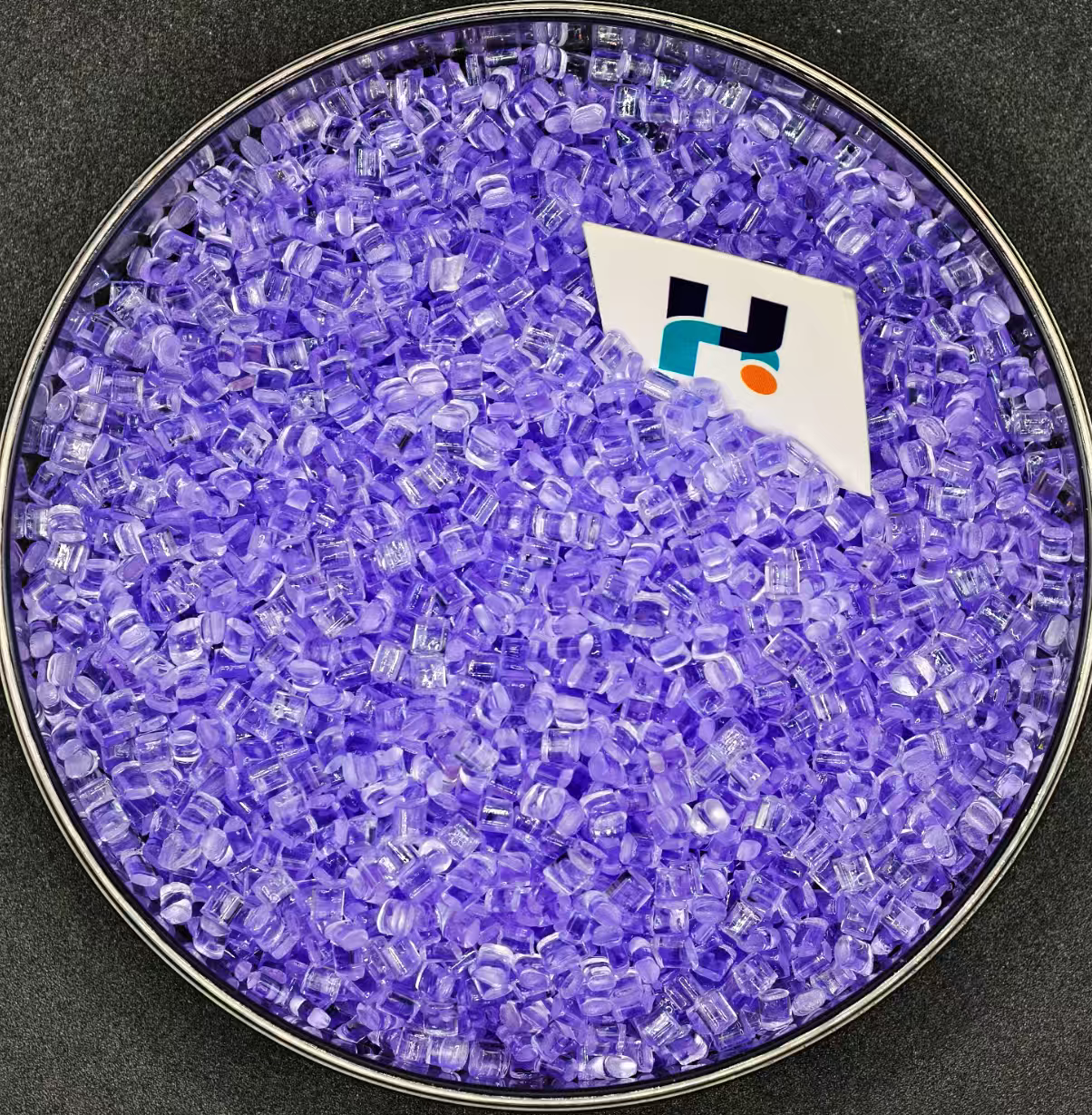
Glass Fiber Reinforced Polycarbonate – PC GF30
Balanced Structural Engineering Plastic for Injection Molding

PC GF30 incorporates 30% chopped glass fiber into a polycarbonate matrix to deliver a material that offers significantly improved rigidity and load-bearing performance compared with unfilled PC. The fiber reinforcement also enhances dimensional control and heat deflection temperature, making it an excellent choice for demanding structural parts where traditional PC may underperform.
Material Composition & Glass Fiber Reinforcement Structure
PC GF30 uses short glass fibers uniformly dispersed in the PC matrix, creating a reinforcing network that improves mechanical properties.
Material Composition Overview
-
Base Polymer: Polycarbonate (PC)
-
Glass Fiber Content: 30% by weight
-
Fiber Type: E-glass
-
Optional Additives:
-
Heat stabilizers
-
Flame retardant (HB / UL94 V0)
-
UV stabilizers
-
Anti-static additives
-
-
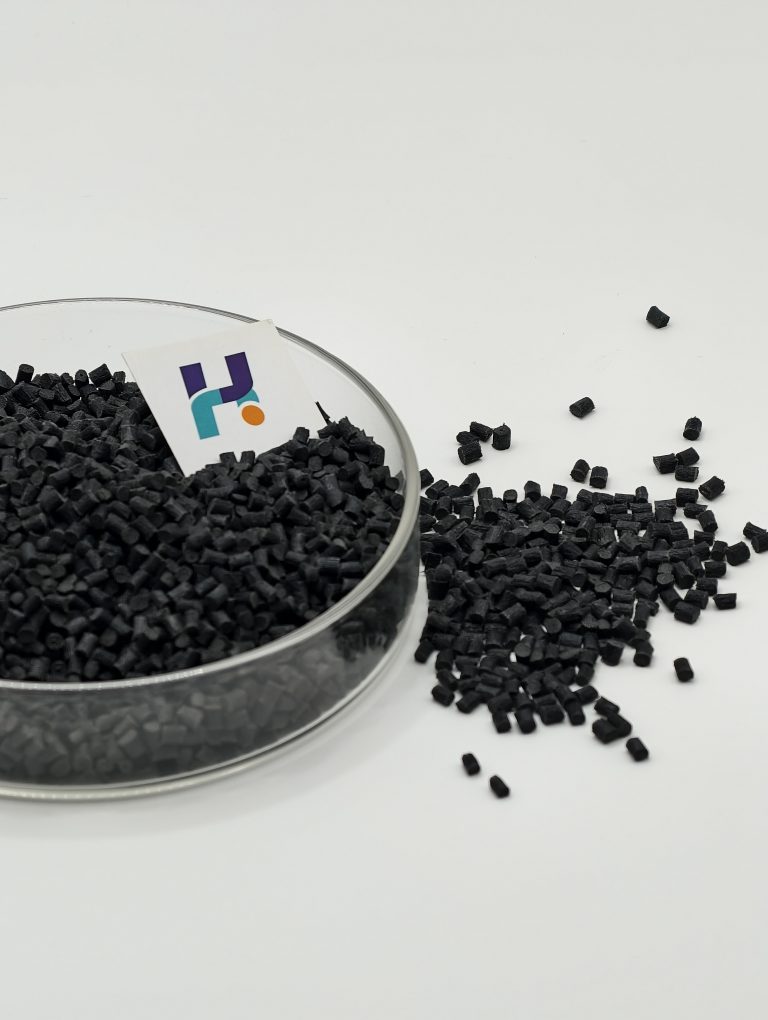
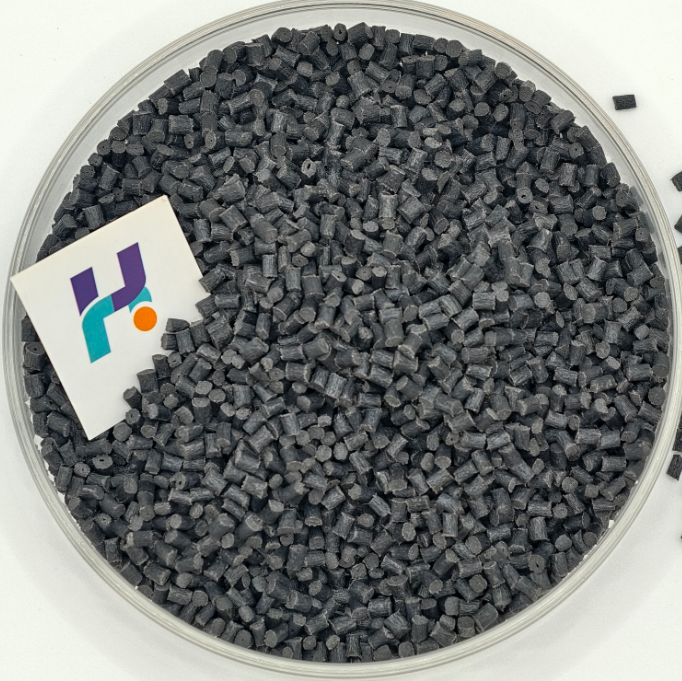
Color Options: Natural, black, customized
Core Advantages: Balanced Rigidity & Stability
Engineering Advantages
-
Improved Mechanical Strength
Tensile and flexural strength significantly higher than standard PC. -
Enhanced Rigidity & Modulus
Increased stiffness enables load-bearing and structural applications. -
Good Dimensional Stability
Reduced shrinkage & warpage for precision parts. -
Thermal Performance
Higher heat deflection temperature compared to unfilled PC. -
Balanced Impact Resistance
Maintains a good combination of rigidity and toughness.
Manufacturing & Commercial Advantages
-
Better flowability than high fiber content grades
-
Improved surface finish compared with GF45
-
Cost-effective upgrade from standard PC
-
Compatible with standard injection molding equipment
Typical Application Areas
Automotive Interior & Functional Components
-
Structural supports
-
Interior frames
-
Bracket and holder parts
Electrical & Electronics
-
Power module housings
-
Connectors and enclosures
-
Structural electronic supports
Industrial & Mechanical
-
Equipment housings
-
Load-bearing covers and frames
-
Precision mechanical parts

Structural supports 
Electronic Component Casing 
Strength support frames
Processing Performance & Injection Molding Guidelines
PC GF30 has good injection molding performance but requires appropriate temperature and mold design control:
Typical Processing Parameters
-
Melt Temperature: 270–300 °C
-
Mold Temperature: 90–120 °C
-
Drying: 120 °C for 3–4 hours
-
Injection Speed: Medium
-
Shrinkage: 0.2–0.5% (directional)
Technical Specification – PC GF30
| Property | Test Standard | Typical Value |
|---|---|---|
| Density | ISO 1183 | 1.50–1.60 g/cm³ |
| Tensile Strength | ISO 527 | 120–140 MPa |
| Flexural Strength | ISO 178 | 180–220 MPa |
| Flexural Modulus | ISO 178 | 9,000–11,000 MPa |
| Heat Deflection Temp. | ISO 75 | 180–200°C |
OEM / ODM Customization Capabilities
PC GF30 can be adapted to application-specific requirements:
Customization Options
-
Flame Retardant: HB / UL94 V0
-
UV Resistance: For near-window or shade outdoor parts
-
Color & Surface: Custom aesthetic grades
-
Heat & Hydrolysis Stabilized Grades
OEM Support Services
-
Application selection consulting
-
Prototype sampling & performance testing
-
Structural simulation & validation
-
Stable long-term supply
FAQ
Q1: How does PC GF30 compare to PC GF25?
PC GF30 offers higher rigidity and thermal performance with moderate impact and good dimensional control.
Q2: Is UL94 V0 available for PC GF30?
Yes, UL94 V0 flame-retardant versions are available on request.
Q3: Can PC GF30 replace PC GF15?
Yes. PC GF30 is chosen when higher stiffness and load-bearing performance are required.
Q4: Will glass fiber affect surface finish?
Glass fiber can slightly alter surface appearance; good mold polishing and flow design minimize texture effects.
Q5: Is PC GF30 suitable for structural housings?
Yes, its balanced strength, stiffness, and processability make it ideal for structural housings.