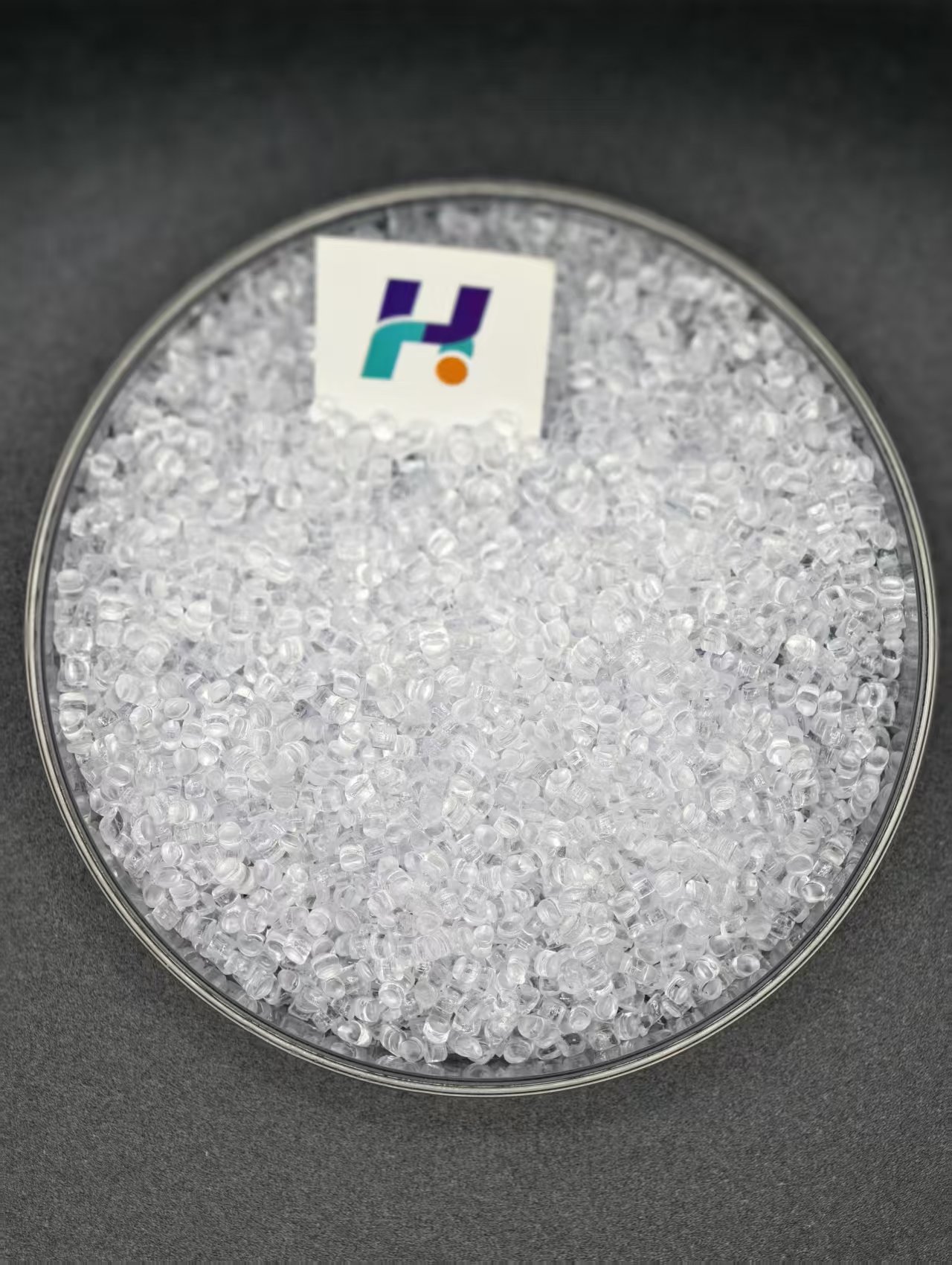
Glass Fiber Reinforced Polycarbonate – PC GF45
Ultra-High Rigidity Engineering Plastic for Structural Components

PC GF45 is formulated by incorporating 45% glass fiber into a polycarbonate (PC) matrix, resulting in a material with superior stiffness, strength, and thermal endurance compared with lower fiber content grades. While maintaining the impact resistance and processing characteristics of PC, this grade provides excellent load-bearing capability and dimensional integrity for heavy-duty engineering parts.
Material Composition & Reinforcement Structure
PC GF45 combines short chopped glass fibers with the PC matrix through precision compounding. This creates an internal load-bearing network that significantly amplifies mechanical performance.
Material Composition Overview
-
Base Polymer: Polycarbonate (PC)
-
Glass Fiber Content: 45%
-
Fiber Type: E-glass
-
Optional Additives:
-
Heat stabilizers
-
Flame retardant (HB / UL94 V0)
-
UV stabilizers
-
Conductive / Antistatic additives
-
-
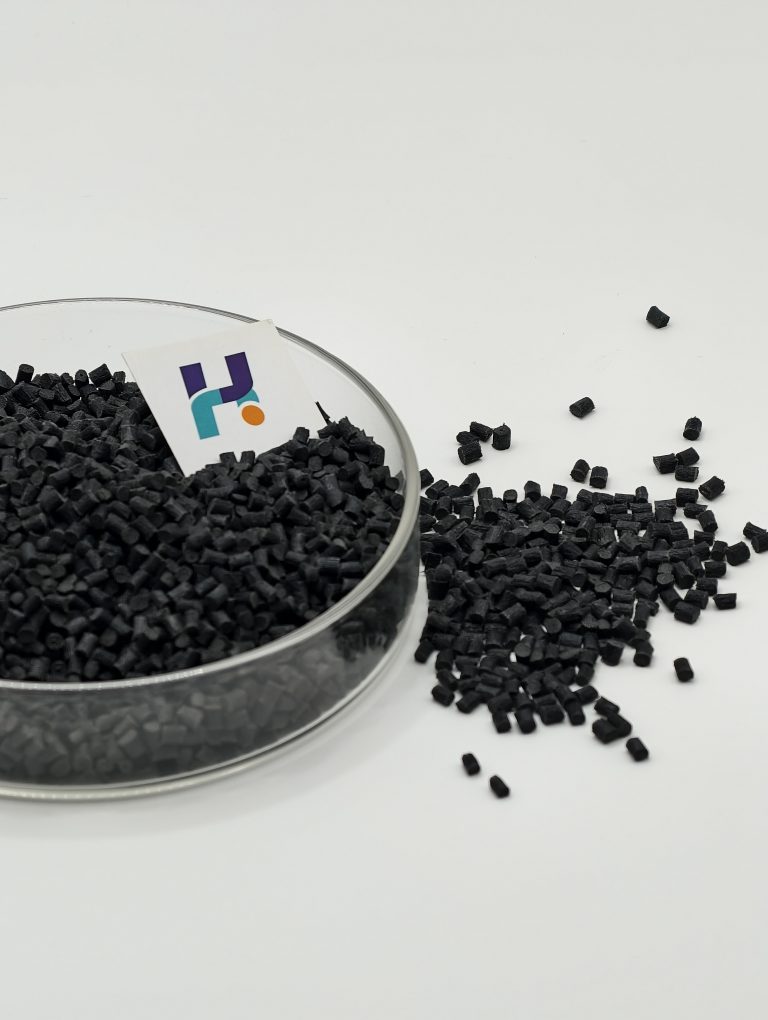
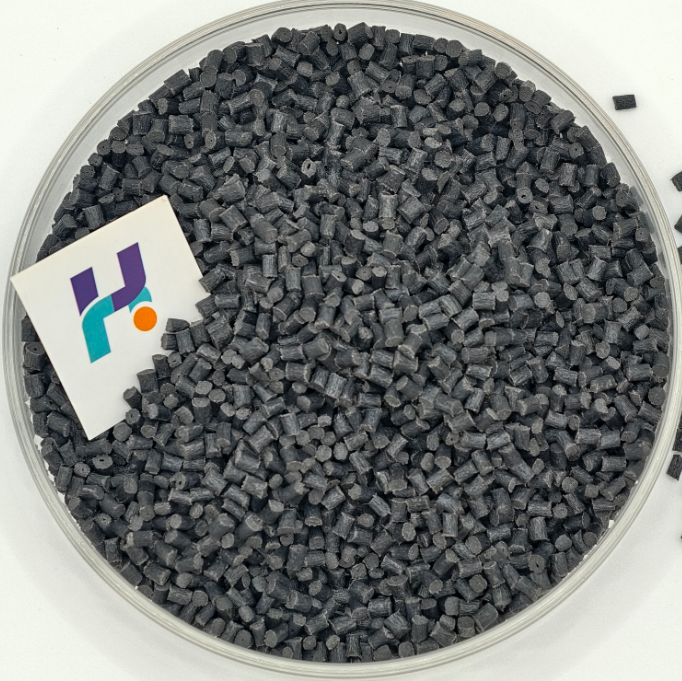
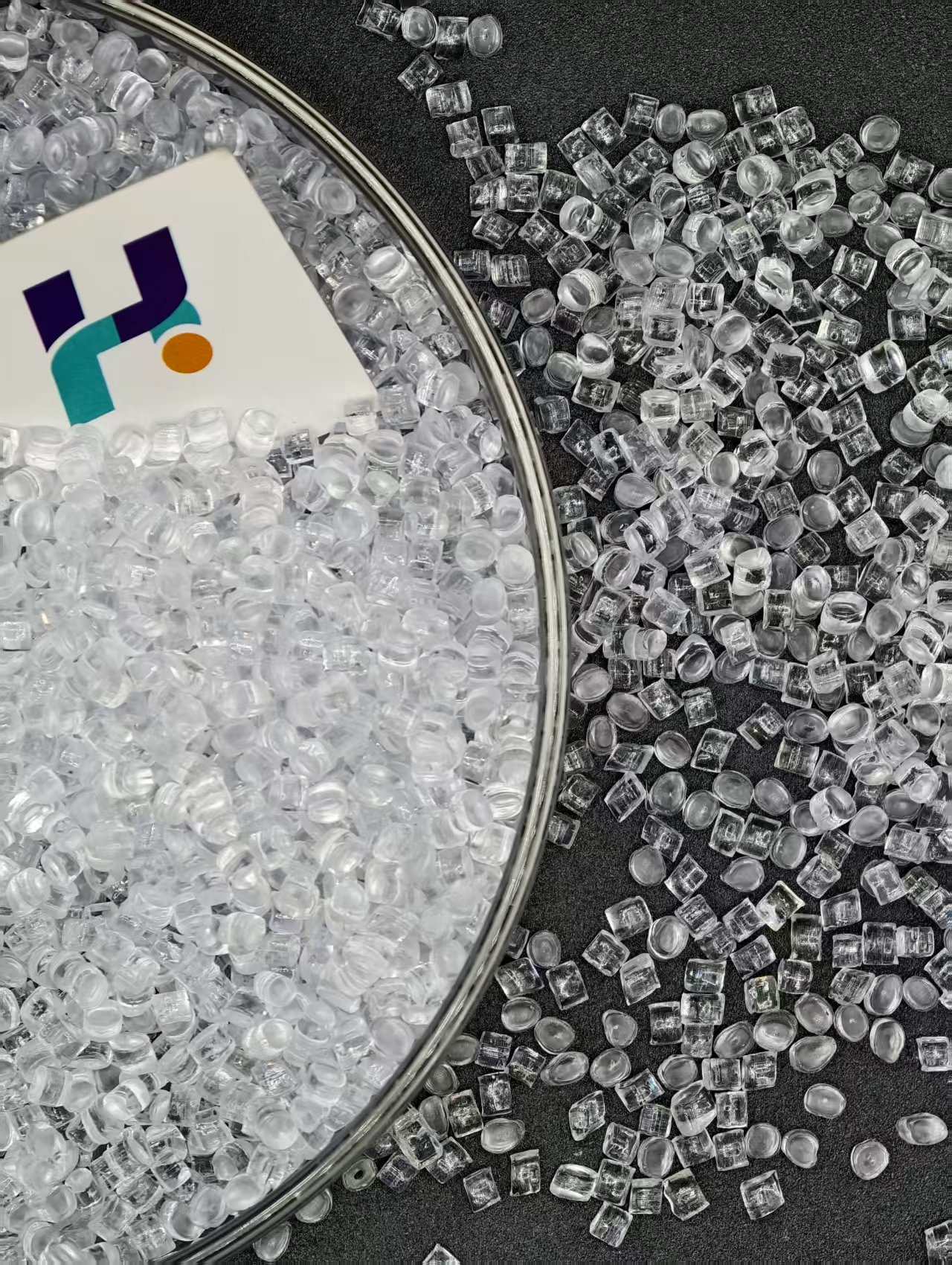
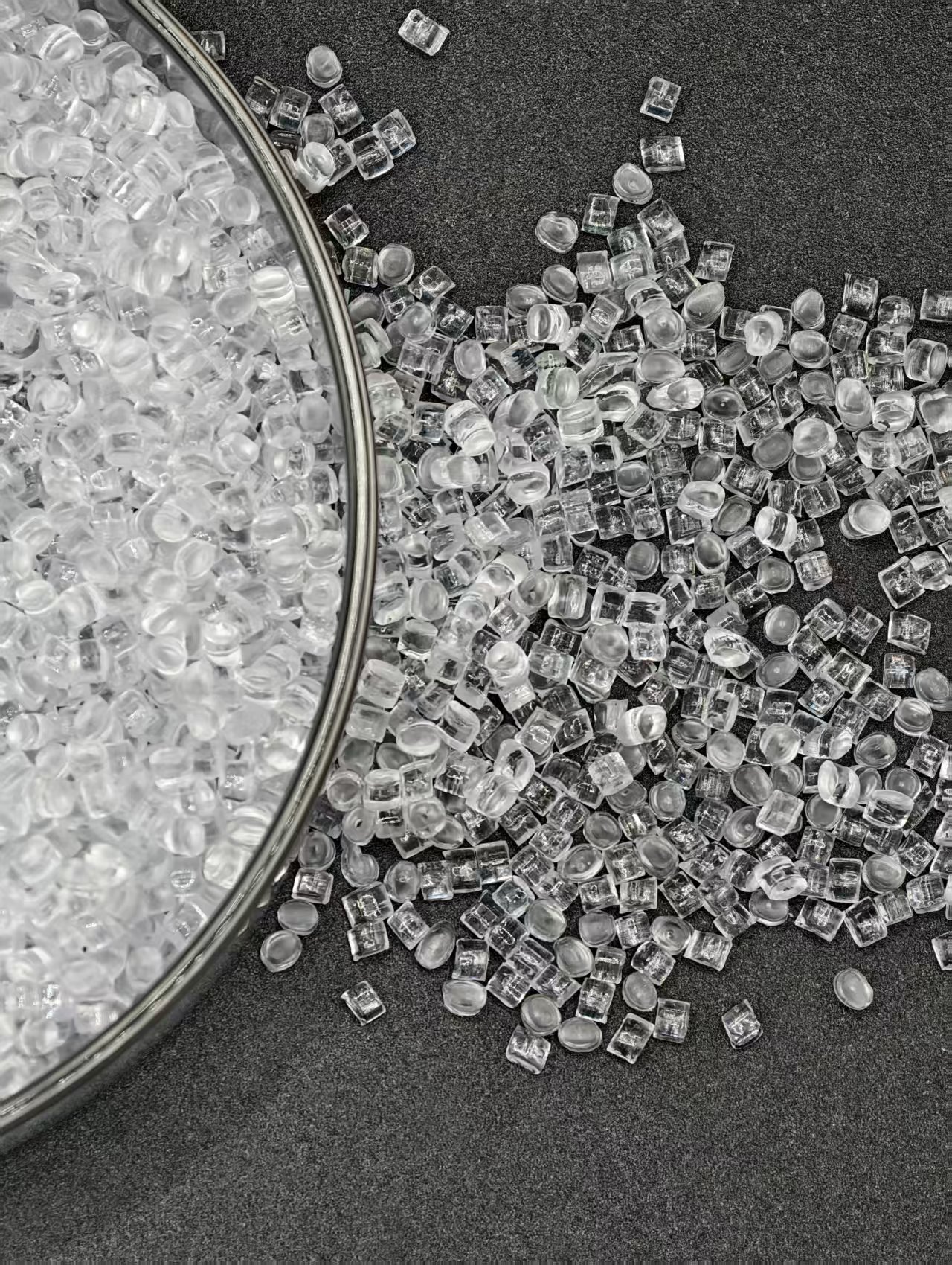
Color Options: Natural, black, customized
Compared with PC GF25 and PC GF30, PC GF45 delivers much higher modulus and strength, making it suitable for high-stress structural applications.
Core Advantages: Rigidity, Load-Bearing & Thermal Resistance
Engineering Advantages
-
Ultra-High Rigidity & Modulus
Exceptional stiffness for heavy load support. -
Superior Dimensional Stability
Excellent warp and shrinkage control. -
High Thermal Endurance
Elevated heat deflection temperature, suitable for high-temperature environments. -
Creep Resistance
Maintains mechanical integrity under prolonged stress. -
Good Impact Resistance
Retains balanced toughness despite high fiber loading.
Commercial & Manufacturing Benefits
-
Structural performance close to some metal replacements
-
Suitable for precision functional components
-
Stable injection molding with correct gate design
-
Recommended for engineering applications with high structural demand
Typical Application Areas
Automotive Structural Parts
-
Heavy-load interior & under-hood bracing
-
Strength support frames
-
Load-bearing housings
Industrial & Mechanical Structures
-
Machine frames
-
Mechanical guides and mounts
-
Structural industrial housings
Electrical & Electronic Structural Components
-
Heat-active structural housings
-
Rigid electronic support frames
|
|
|
|


Processing Performance & Injection Molding Guidelines
PC GF45 requires precise thermal and flow management during molding to optimize fiber orientation and performance.
Typical Processing Parameters
-
Melt Temperature: 280–300 °C
-
Mold Temperature: 100–130 °C
-
Drying: 120 °C for 3–4 hours
-
Injection Speed: Medium
-
Shrinkage: 0.1–0.3% (directional)
Proper gate location, venting, and cooling control are essential for consistent dimensional performance.
Technical Specification – PC GF45
| Property | Test Standard | Typical Value |
|---|---|---|
| Density | ISO 1183 | 1.70–1.80 g/cm³ |
| Tensile Strength | ISO 527 | 170–200 MPa |
| Flexural Strength | ISO 178 | 240–280 MPa |
| Flexural Modulus | ISO 178 | 14,000–18,000 MPa |
| Heat Deflection Temp. | ISO 75 | 250–270°C |
OEM / ODM Customization Capabilities
PC GF45 can be engineered for specific performance requirements.
Customization Options
-
Flame retardant: HB / UL94 V0
-
UV & weather-stabilized versions
-
Hydrolysis and heat-stabilized formulations
-
Color matching & aesthetic optimization
Support Services
-
Application-based grade recommendation
-
Prototype sampling & validation
-
Structural performance analysis
-
Long-term supply consistency
FAQ
Q1: What is the main advantage of PC GF45?
PC GF45 provides ultra-high rigidity, dimensional stability, and thermal performance for heavy structural applications.
Q2: How does PC GF45 compare to PC GF30?
PC GF45 offers significantly higher stiffness and load-bearing capability, while PC GF30 provides a balance of stiffness and surface finish.
Q3: Is UL94 V0 flame-retardant PC GF45 available?
Yes. UL94 V0 flame-retardant variants can be supplied upon request.
Q4: Can PC GF45 be used for metal replacement?
Yes, its high modulus and strength make it suitable for many metal-replacing structural components.
Q5: Does high glass fiber content affect surface quality?
Glass fiber increases stiffness but may produce a slightly rougher surface; mold design and finishes can optimize aesthetics.