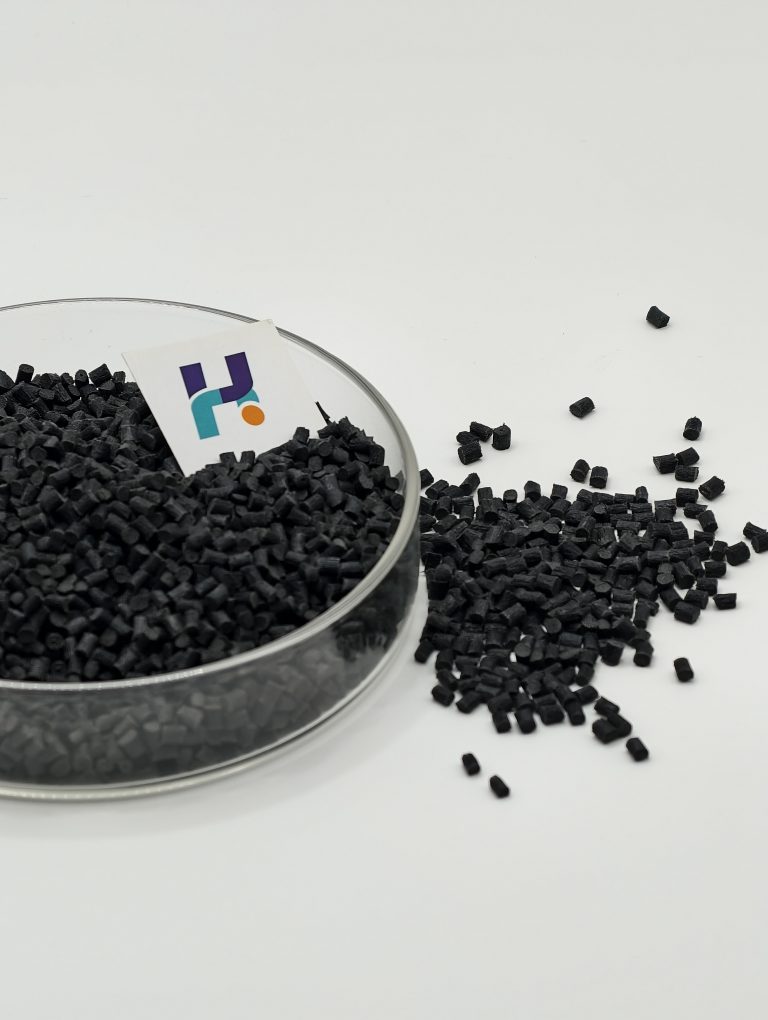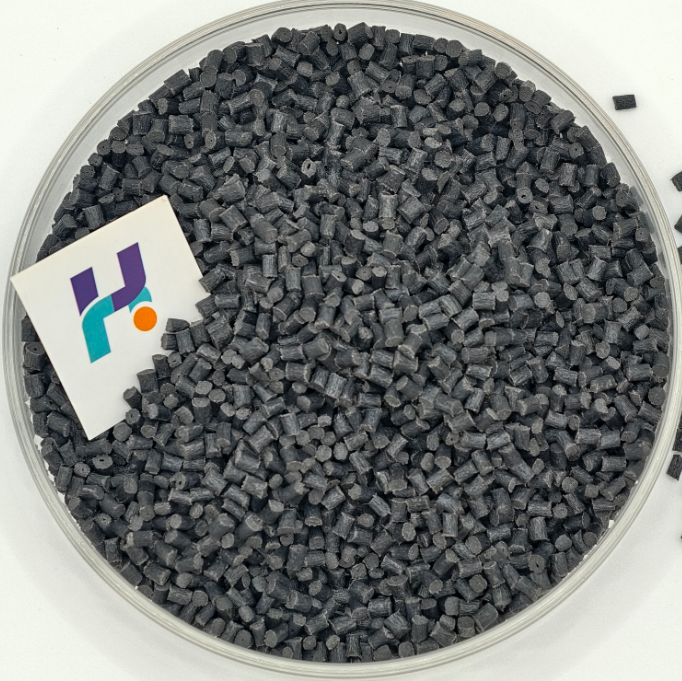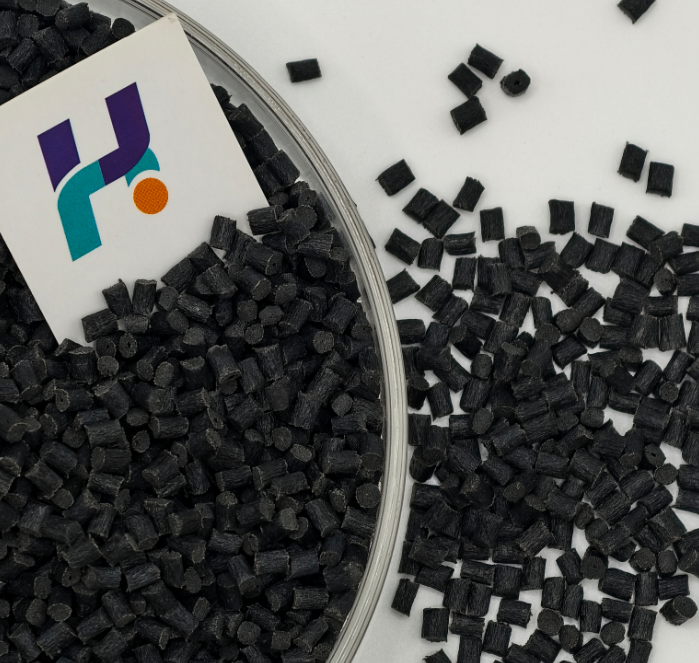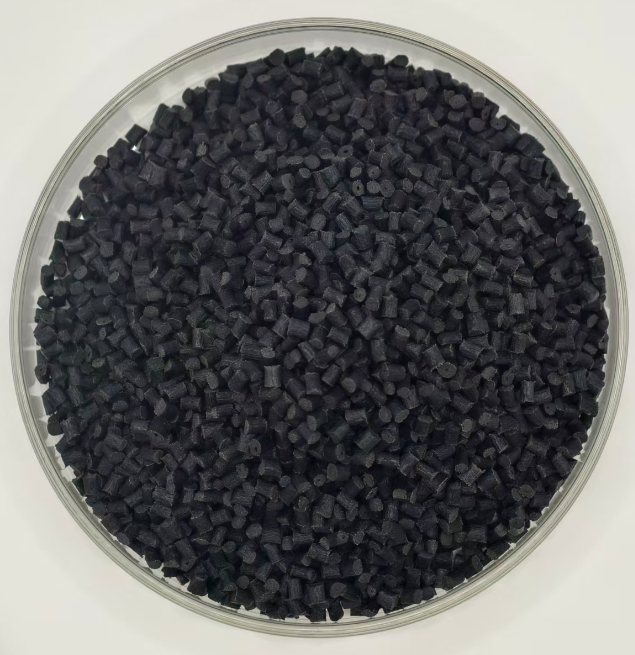
PC/ABS Alloy (Polycarbonate / ABS Blend)
Balanced Engineering Plastic for Structural & Appearance Housings
PC/ABS Alloy is engineered to bridge the performance gap between polycarbonate and ABS. By blending these two polymers at a controlled ratio, PC/ABS delivers excellent impact strength, improved heat resistance, and good surface finish, while remaining easier to process than pure PC.
Compared with standard ABS, PC/ABS offers higher thermal performance and better toughness. Compared with PC, it provides improved flowability and cost efficiency.
Material Design & Alloy Structure
PC/ABS Alloy is a multi-phase polymer blend where polycarbonate contributes rigidity and heat resistance, while ABS enhances toughness and processing behavior.
Material Composition Overview
-
Polymer System: Polycarbonate + ABS
-
Performance Balance: Impact resistance + heat stability
-
Reinforcement: None (unfilled)
-
Optional Additives:
-
Flame retardant (UL94 V0 / V2)
-
Heat stabilizer
-
UV stabilizer
-
Improved surface modifiers
-
-
Color Options: Natural, black, customized
This alloy structure enables stable, repeatable mass production.
Core Advantages: Balance over Extremes
Engineering Advantages
-
Excellent Impact Resistance
Maintains toughness at room and low temperatures. -
Improved Heat Resistance vs ABS
Suitable for electronic and automotive interior environments. -
Good Dimensional Stability
Reduced warpage compared to pure ABS. -
Reliable Mechanical Strength
Supports structural housing applications.
Manufacturing & Commercial Advantages
-
Better flowability than pure PC
-
Lower processing temperature than PC
-
Good surface appearance for visible parts
-
OEM-friendly and cost-effective
Typical Application Areas
|
|
|


Electronics & Electrical
-
Device housings
-
Control panels
-
Electrical enclosures
Automotive Interior
-
Dashboard components
-
Decorative and structural trims
-
Interior housings
Consumer Products
-
Appliance housings
-
Office equipment covers
-
Smart device enclosures
Processing Performance & Injection Molding Guidelines
PC/ABS Alloy is well-known for its processing stability and wide molding window.
-
Melt Temperature: 240–280 °C
-
Mold Temperature: 60–90 °C
-
Drying: 90–100 °C for 3–4 hours
-
Injection Speed: Medium
-
Shrinkage: 0.4–0.6%
Compared with PC, PC/ABS places less thermal stress on molds and equipment.
Technical Specification – PC/ABS Alloy
| Property | Test Standard | Typical Value |
|---|---|---|
| Density | ISO 1183 | 1.12–1.18 g/cm³ |
| Tensile Strength | ISO 527 | 55–65 MPa |
| Notched Izod Impact | ISO 180 | 15–25 kJ/m² |
| Heat Deflection Temp. | ISO 75 | 95–115 °C |
| Flame Rating (Optional) | UL94 | V0 / V2 |
OEM / ODM Customization Capabilities
-
Standard / high-impact grades
-
Flame retardant PC/ABS (UL94 V0)
-
Enhanced surface & color-matching grades
-
UV-stabilized indoor & outdoor options
FAQ
Q1: Why choose PC/ABS instead of pure PC?
PC/ABS offers better processability and cost efficiency while retaining sufficient toughness and heat resistance.
Q2: How does PC/ABS compare to ABS?
PC/ABS provides higher heat resistance and better mechanical strength.
Q3: Is PC/ABS suitable for visible parts?
Yes, it offers good surface appearance and color consistency.
Q4: Are flame-retardant grades available?
Yes, UL94 V0 and V2 grades can be supplied.
Q5: Can PC/ABS be customized for OEM applications?
Yes, properties and appearance can be tailored.