
Are Chinese Modified Plastics Reliable?
Are Chinese Modified Plastics Reliable? The question of whether Chinese modified plastics are reliable continues to surface in global sourcing discussions. For some buyers, it is a concern shaped by past experiences; for others, it reflects uncertainty about quality variation across suppliers rather than materials themselves. From an engineering perspective, however, this question cannot be […]
What Tariffs Can’t Change: Why Performance and Stability Still Matter in Modified Plastics
What Tariffs Can’t Change: Why Performance and Stability Still Matter in Modified Plastics Over the past few years, tariffs on Chinese industrial exports have become a recurring variable in global manufacturing. Modified plastics—particularly engineering-grade compounds—are frequently discussed in this context, often framed as commodities that can be easily replaced when costs rise. In reality, this […]
How Strong Is PA6 GF30 vs Regular PA6 for Home Appliance Enclosures?
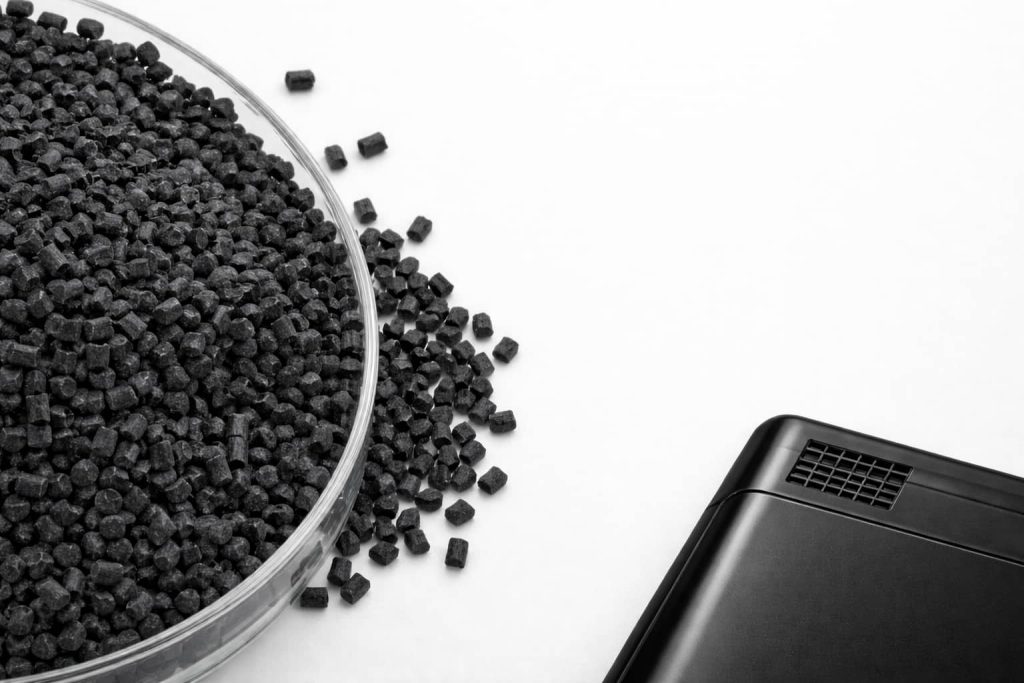
How Strong Is PA6 GF30 vs Regular PA6 for Home Appliance Enclosures? If you design or source home appliance enclosures—electrical housings, internal brackets, fan modules, or structural covers—the question is rarely “Can it be molded?” The real question is whether the enclosure can stay dimensionally stable, survive assembly torque, and resist long-term deformation. That’s where […]
Nylon 66 GF30 for Automotive Clips, Brackets & Connectors
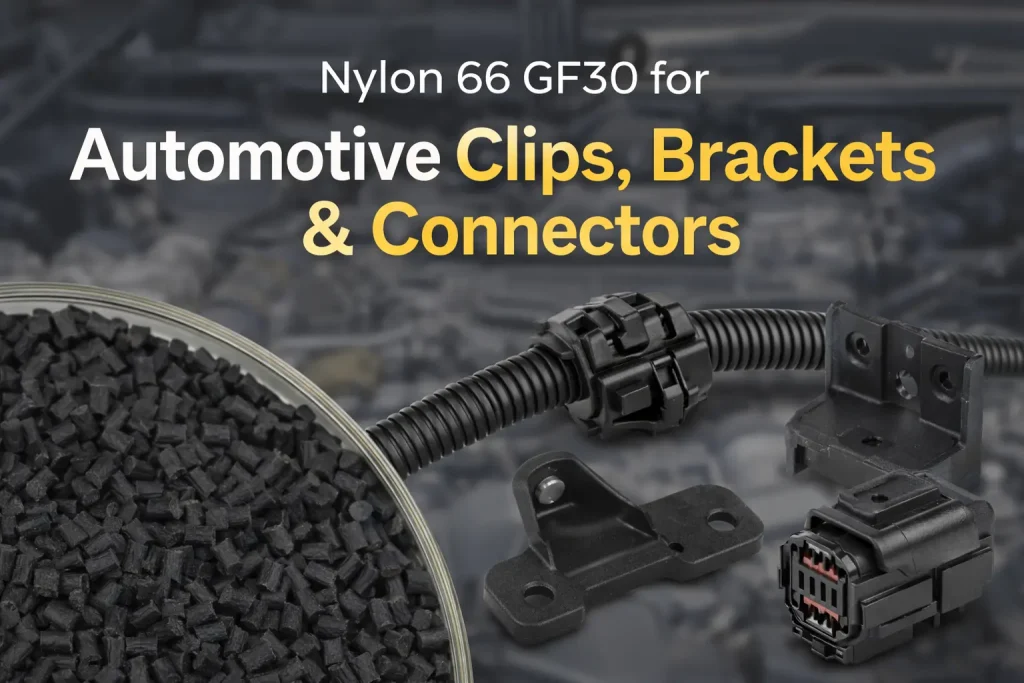
Nylon 66 GF30 for Automotive Structural Parts: Engineering Logic Behind Clips, Brackets, and Connectors What Makes Automotive Structural Parts Demanding Automotive structural parts operate under continuous mechanical stress, thermal cycling, and environmental exposure. Unlike decorative plastic components, these parts must maintain dimensional accuracy and mechanical integrity over years of service. Why Nylon 66 GF30 Fits […]
PA66 GF30 Is Returning to Automotive Structural Parts: Carbon KPIs, Warpage Control, and Platform-Scale Consistency
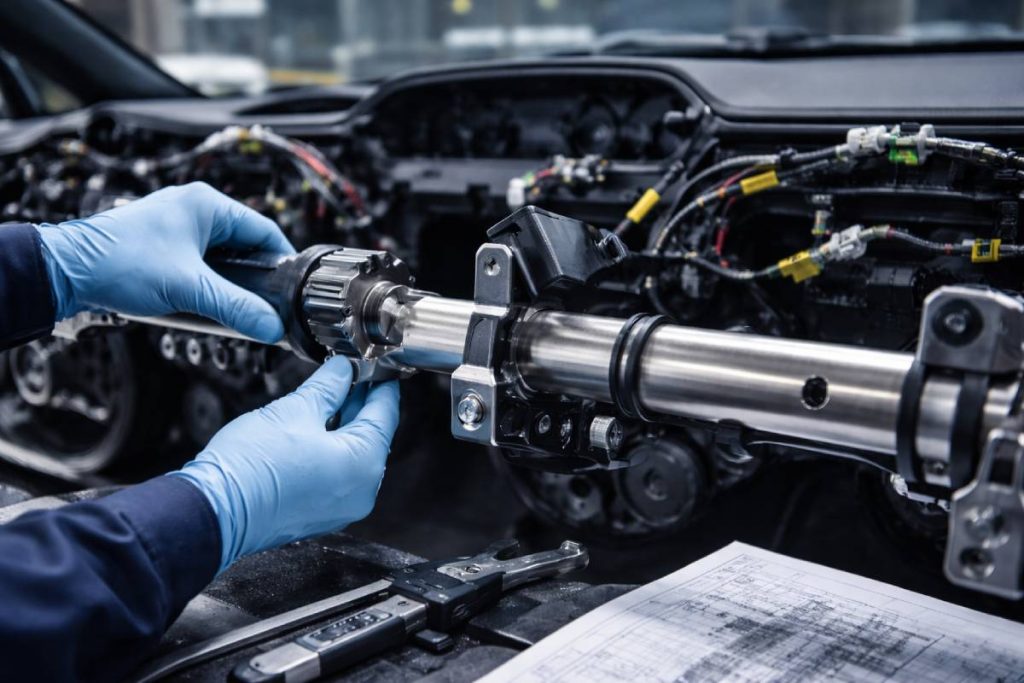
Quick Summary: PA66 GF30 is returning to automotive structural parts because OEMs are now selecting materials by three hard KPIs at once: lifecycle carbon impact, warpage/dimensional stability under heat and moisture, and platform-scale production consistency. The newest structural trend is not “plastic replacing metal” in isolation, but hybrid plastic–steel architectures where fit accuracy, NVH stability, […]