
30% Talc Filled Polypropylene (PP TD30): Properties, Applications, and Engineering Trade-offs
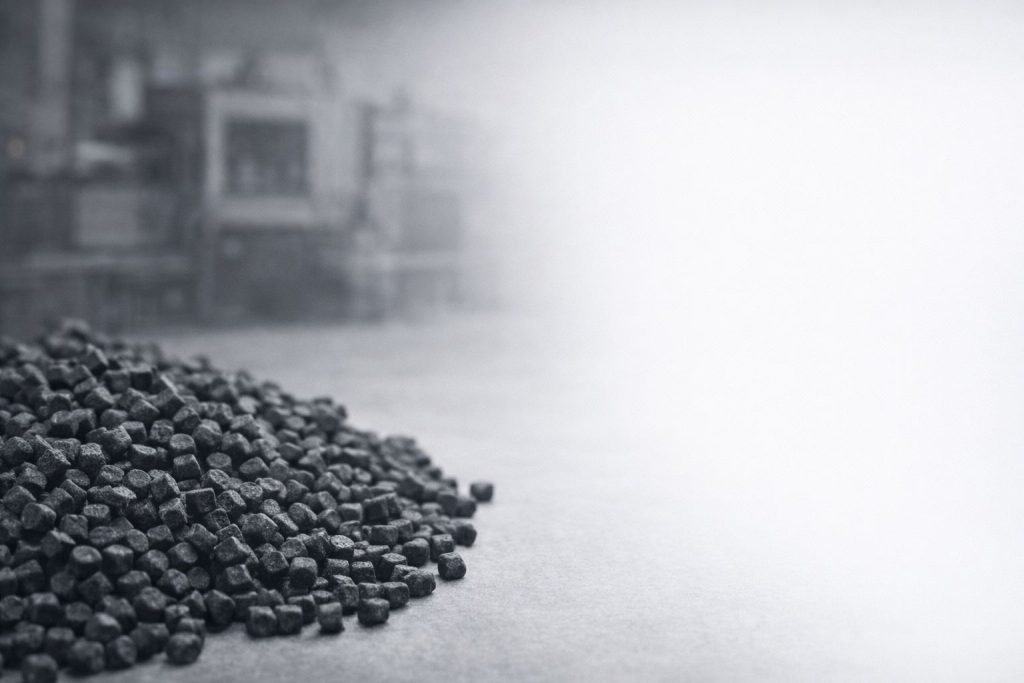
30% Talc Filled Polypropylene (PP TD30): Properties, Applications, and Engineering Trade-offs PP TD30 is one of the most commonly used mineral-filled polypropylene materials in automotive, home appliance, and industrial housings. Despite its widespread use, most online content reduces it to a simple statement: “talc increases stiffness.” In practice, PP TD30 is selected not because it […]
Are Chinese Modified Plastics Reliable?
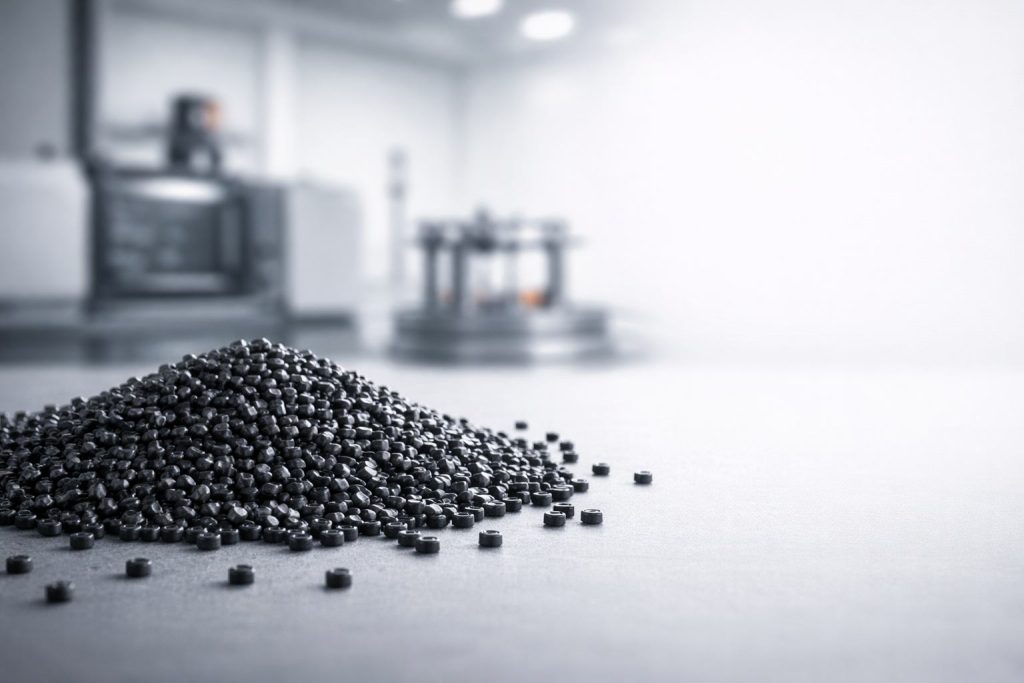
Are Chinese Modified Plastics Reliable? The question of whether Chinese modified plastics are reliable continues to surface in global sourcing discussions. For some buyers, it is a concern shaped by past experiences; for others, it reflects uncertainty about quality variation across suppliers rather than materials themselves. From an engineering perspective, however, this question cannot be […]
Why Some Plastic Parts Fail After Passing All Tests: The Mass-Production Stability Gap
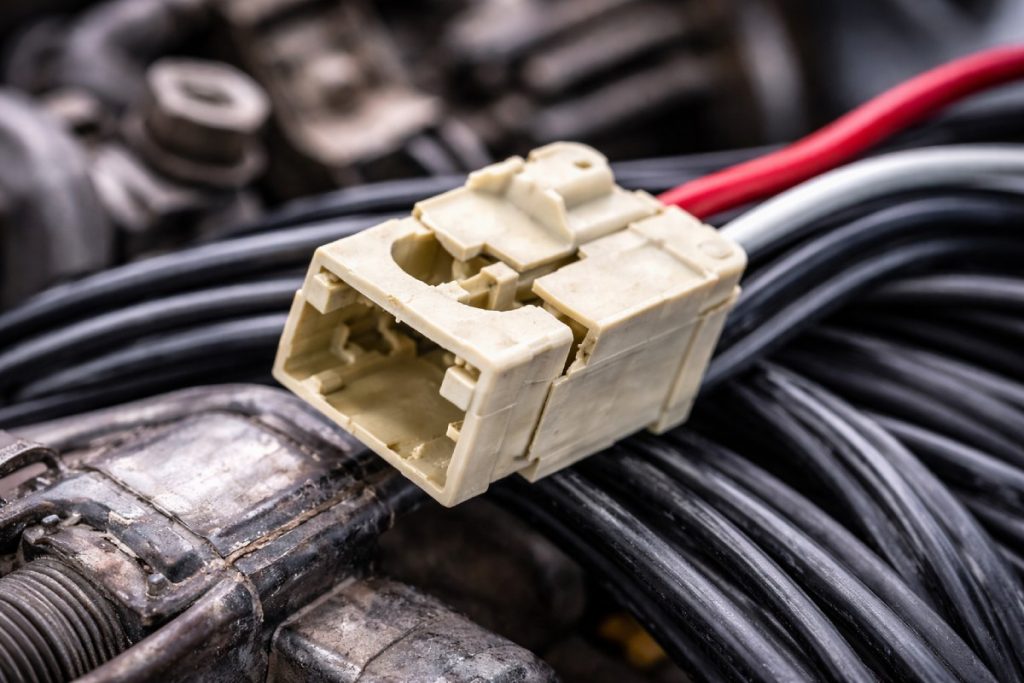
In a post-mortem meeting, there’s one sentence that shows up like clockwork: “Didn’t we pass all the tests?” On paper, everything looks perfect. Test reports are complete. Key metrics are within spec. Prototype parts were delivered smoothly. Yet once the product enters real use or sustained mass production, problems still surface—warpage, cracking, dimensional drift, unstable […]