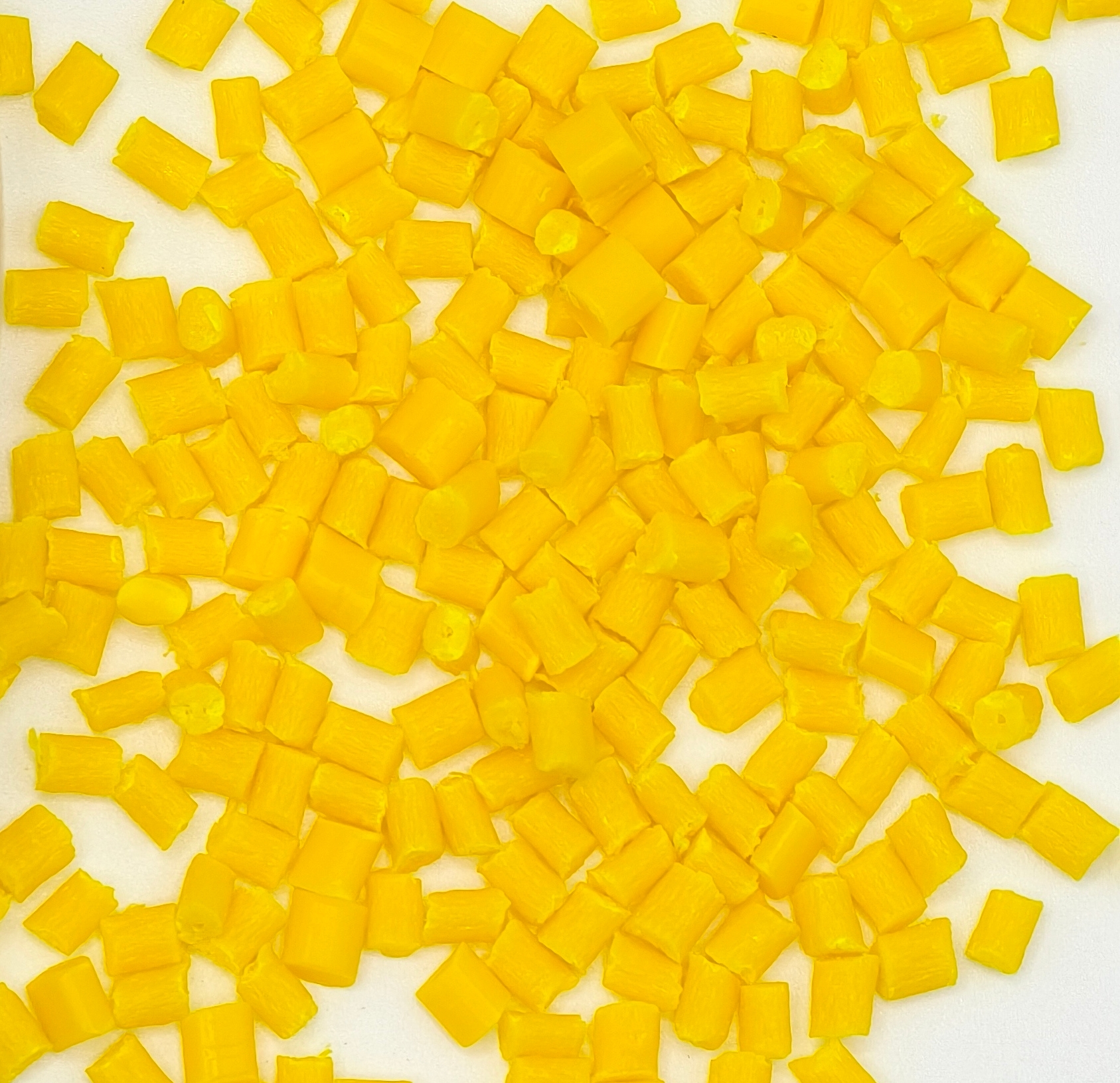
Toughened PA66
Impact-Resistant Nylon 66 for Enhanced Durability

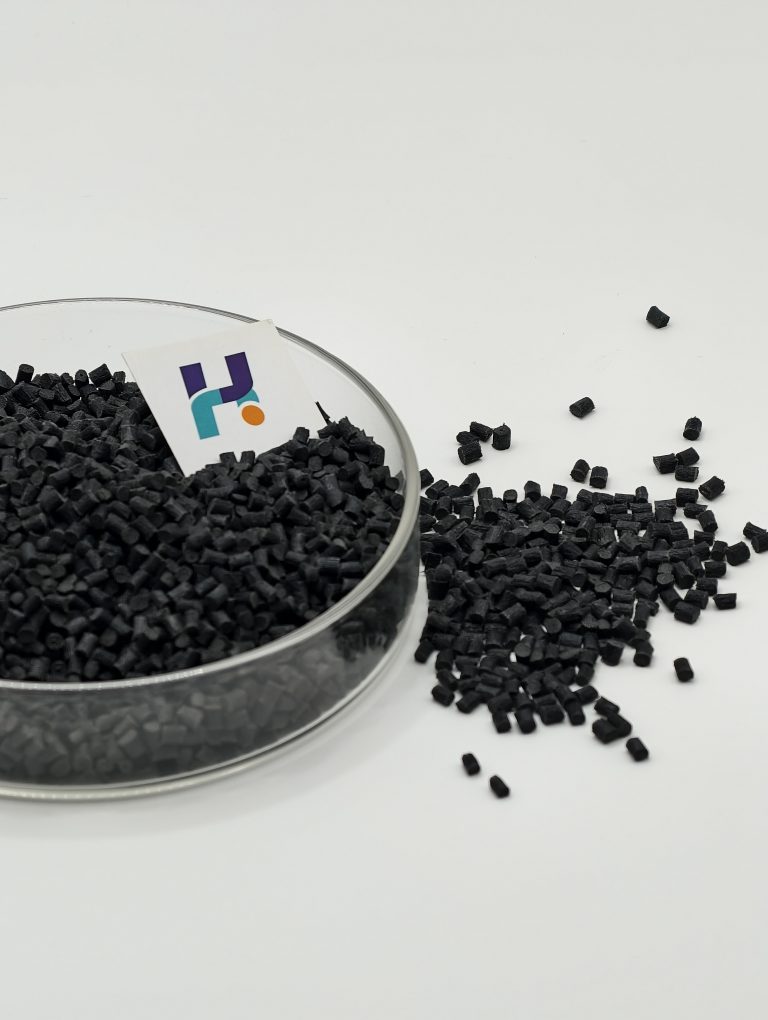
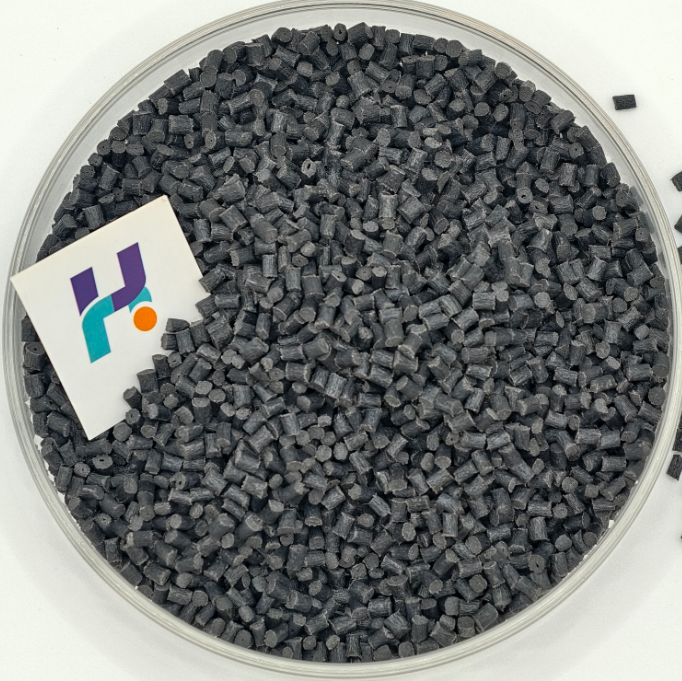
Toughened PA66 is a modified version of polyamide 66 (PA66), incorporating impact modifiers and elastomeric materials to improve its toughness. Unlike the standard PA66 and glass fiber-reinforced versions, this material is designed to resist cracking, breaking, and brittle failure under repeated mechanical stress, making it ideal for parts that require resilience and long-term performance.
The addition of toughening agents allows PA66 to maintain its high-temperature performance and chemical resistance, while improving its impact resistance in low-temperature environments.
Material Composition & Toughening Mechanism
Toughened PA66 is produced by blending the base polymer PA66 with impact modifiers such as elastomers (e.g., rubber particles), which help dissipate energy during impact and prevent crack propagation.
Material Composition Overview
-
Base Polymer: Polyamide 66 (PA66 / Nylon 66)
-
Toughening Agent: Elastomeric or rubber-based impact modifier
-
Optional Additives:
-
Heat stabilizer
-
UV stabilizer
-
Flame retardant (UL94 V2 / V0)
-
Color stabilizer
-
-
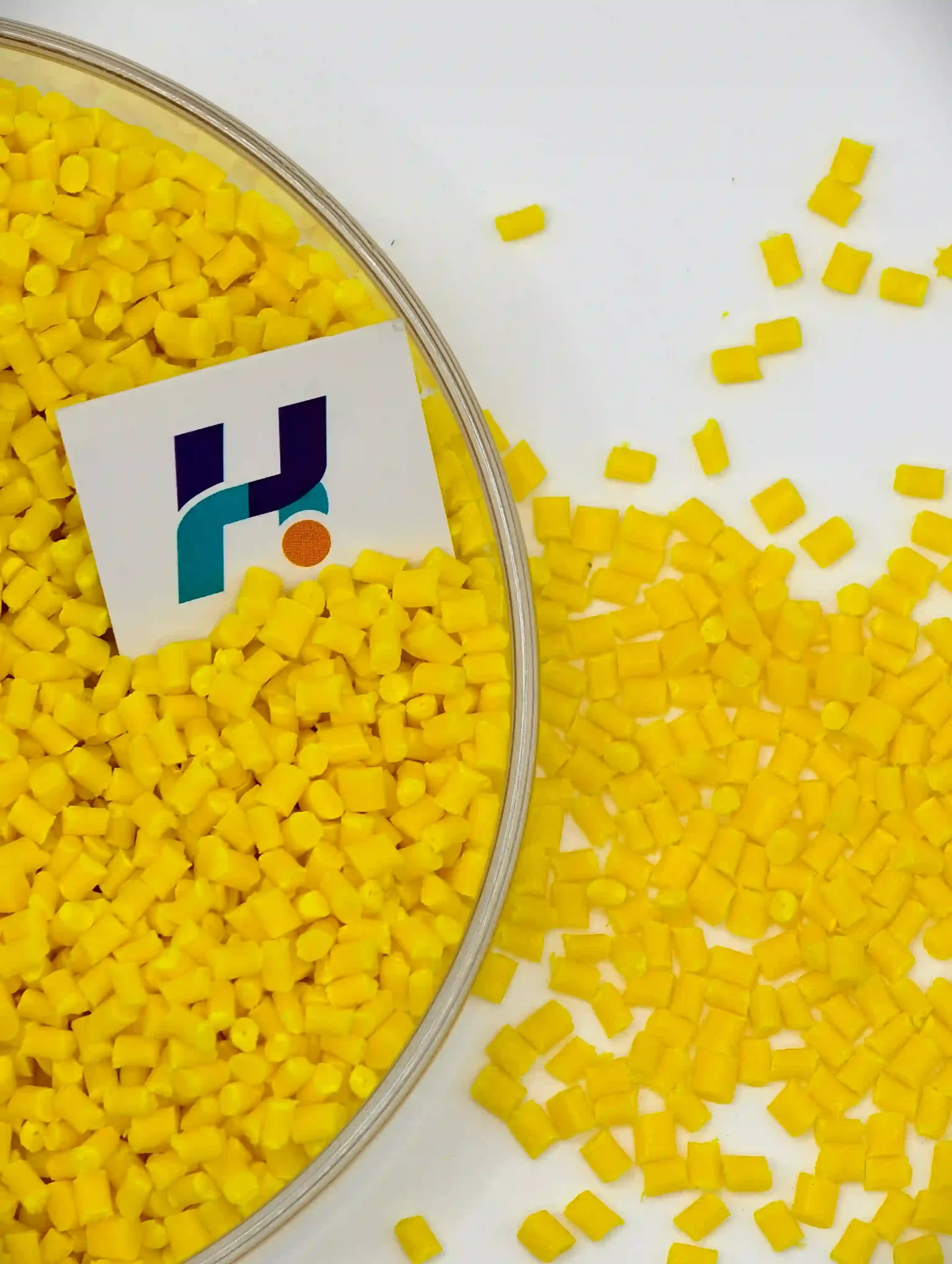
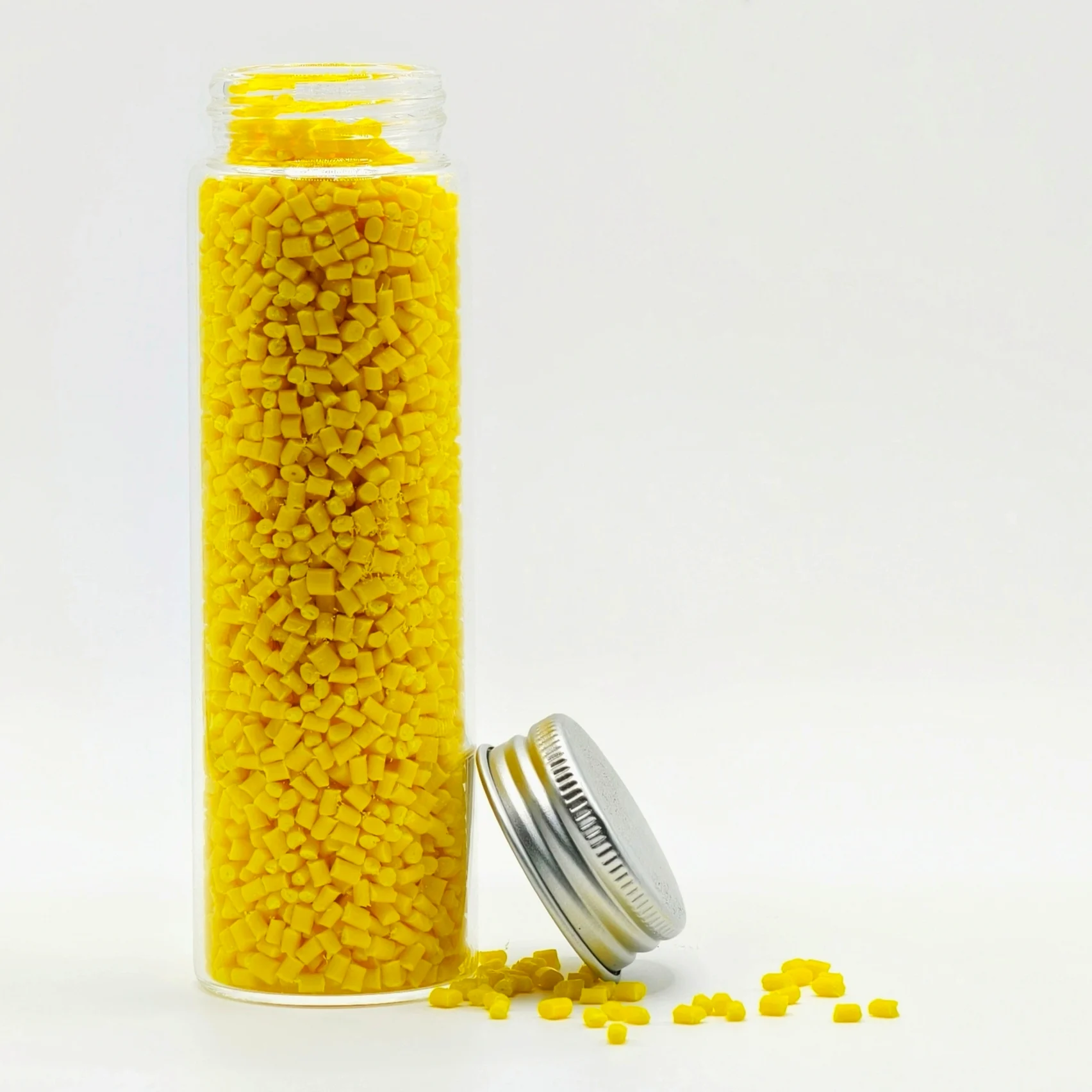
Color Options: Natural, black, customized
The toughening mechanism enables greater ductility and improved resilience, making this material suitable for demanding applications where traditional PA66 might fail.
Core Advantages: Toughness, Durability & Impact Resistance
Engineering Advantages
Improved Impact Resistance
The key benefit of toughened PA66 is its ability to withstand impact stress without cracking, making it ideal for parts exposed to vibration and shock.
High Durability
Toughened PA66 retains PA66’s excellent wear and abrasion resistance, while offering greater flexibility and fatigue resistance under repetitive load.
Excellent Low-Temperature Performance
Unlike standard PA66, which can become brittle in cold conditions, toughened PA66 maintains flexibility and resilience even at low temperatures.
Good Heat Resistance
Maintains high mechanical properties at elevated temperatures, suitable for automotive and electrical applications.
Manufacturing & Commercial Advantages
Suitable for Complex Geometries
The improved toughness allows for the manufacturing of complex parts with thin walls, sharp corners, and detailed features that might fail with standard PA66.
Cost-Effective Performance
Toughened PA66 offers high-performance properties similar to impact-resistant plastics, at a lower cost compared to higher-performance alternatives like PA6 or PA66 GF.
Simplified Processing
The addition of impact modifiers enhances the material’s moldability and flowability, making it easier to process than pure PA66 in some cases.
Typical Application Areas
Automotive Applications
-
Under-hood components
-
Interior panels
-
Vibration-resistant mounts
Ideal for vibration-loaded parts and exposed automotive components.
 |
 |
 |
Electrical & Electronics
-
Electrical housings
-
Battery covers
-
Cable management parts
Perfect for parts that need resilience and mechanical stability under stress.
Industrial Applications
-
Mechanical components
-
Load-bearing parts
-
Structural reinforcements
Ensures long-term durability in heavy-duty industrial machinery.
Processing Performance & Injection Molding Guidelines
Toughened PA66 has good flowability, ensuring stable injection molding performance with high-quality surface finishes.
Typical Processing Parameters
-
Melt Temperature: 280–300°C
-
Mold Temperature: 80–110°C
-
Drying: 80°C for 4–6 hours
-
Injection Speed: Medium
-
Shrinkage: 0.4–0.6%
Proper moisture control is necessary to achieve optimal surface finish and mechanical properties.
OEM / ODM Customization Capabilities
Toughened PA66 can be customized to meet specific requirements for various industries.
Customization Options
-
Toughening agents: rubber-based impact modifiers
-
Flame retardant grades (UL94 V2 / V0)
-
Heat-stabilized formulations
-
Enhanced impact resistance
-
Color customization
OEM Support ServicesOEM
-
Tailored material solutions based on specific mechanical needs
-
Prototype development and testing
-
Long-term, reliable supply stability
Technical Specification – Toughened PA66
| Property | Test Standard | Typical Value |
|---|---|---|
| Density | ISO 1183 | 1.25–1.35 g/cm³ |
| Tensile Strength | ISO 527 | 80–120 MPa |
| Flexural Strength | ISO 178 | 100–150 MPa |
| Flexural Modulus | ISO 178 | 3,500–4,500 MPa |
| Notched Izod Impact | ISO 180 | 8–15 kJ/m² |
| Heat Deflection Temp. | ISO 75 | 180–200°C |
| Shrinkage | — | 0.4–0.6% |
FAQ
Q1: What is the main advantage of toughened PA66?
It offers improved impact resistance and flexibility compared to standard PA66, making it ideal for parts exposed to vibration and mechanical stress.
Q2: How does toughened PA66 compare to unmodified PA66?
Toughened PA66 has better impact resistance, fatigue resistance, and lower brittleness, while maintaining PA66’s strength and heat resistance.
Q3: Is toughened PA66 suitable for automotive parts?
Yes, it is widely used in automotive applications where parts are exposed to vibration and mechanical stress.
Q4: Can flame-retardant grades be supplied?
Yes, UL94 V2 and V0 flame-retardant versions are available.
Q5: Can toughened PA66 be customized for specific needs?
Yes, it can be tailored for specific impact resistance, thermal stability, and mechanical properties for OEM applications.